Site Logo
Posts Personal
Gallery
๐Ÿ–ผ๏ธ Overview ๐Ÿ˜‚ Memes ๐ŸŽฌ Videos โ–ถ๏ธ YouTube
About
×

Read Related Post Go to full post

Gallery - Richard Djarbeng's Blog

Welcome to the Gallery! Navigate using the sidebar to explore different collections. At the top level, you'll find general Images and Cover Images from my blog posts. Below that, dive into specialized subcategories like AI Generations, Memes, and Artemis II content. Finally, the bottom section houses my Videos collection, including curated YouTube, Twitter, and TikTok finds. Use the hub cards below to quickly jump into specific areas.

Collections

Meme Gallery

The best of the internet, curated.

Library

Video Library

Short-form gems and social finds.

Hub

YouTube Hub

Curated playlists and deep dives.

Gallery Images

View All
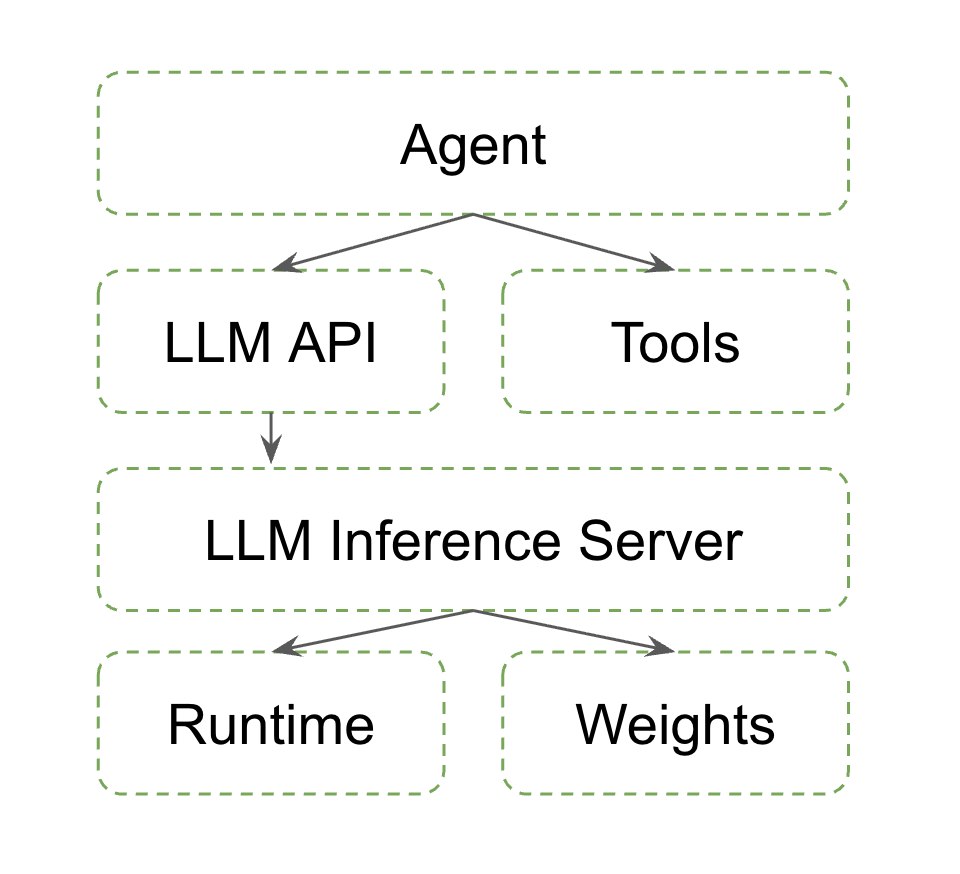
A view of an AI Agent's architecture by layers

A View of an AI Agent's Architecture by Layers

Happy Ethiopian new year

Happy Ethiopian New Year

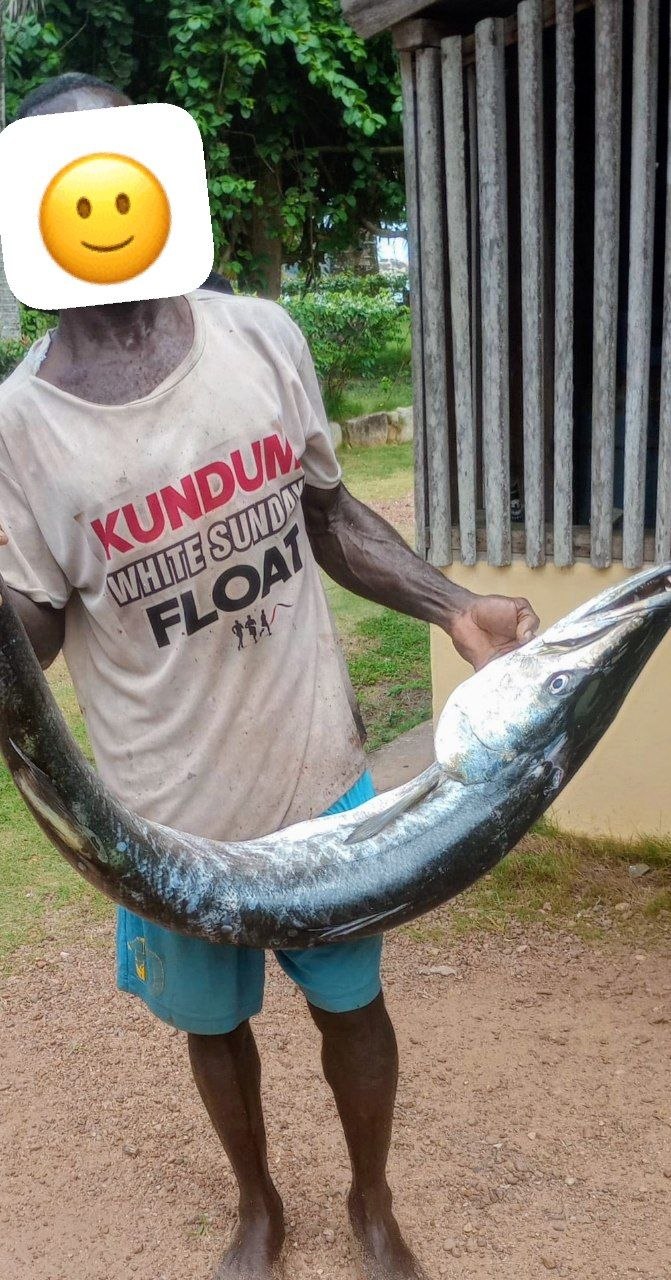
What fish is this? Strange things to do with AI

What Fish Is This? Strange Things to Do With AI

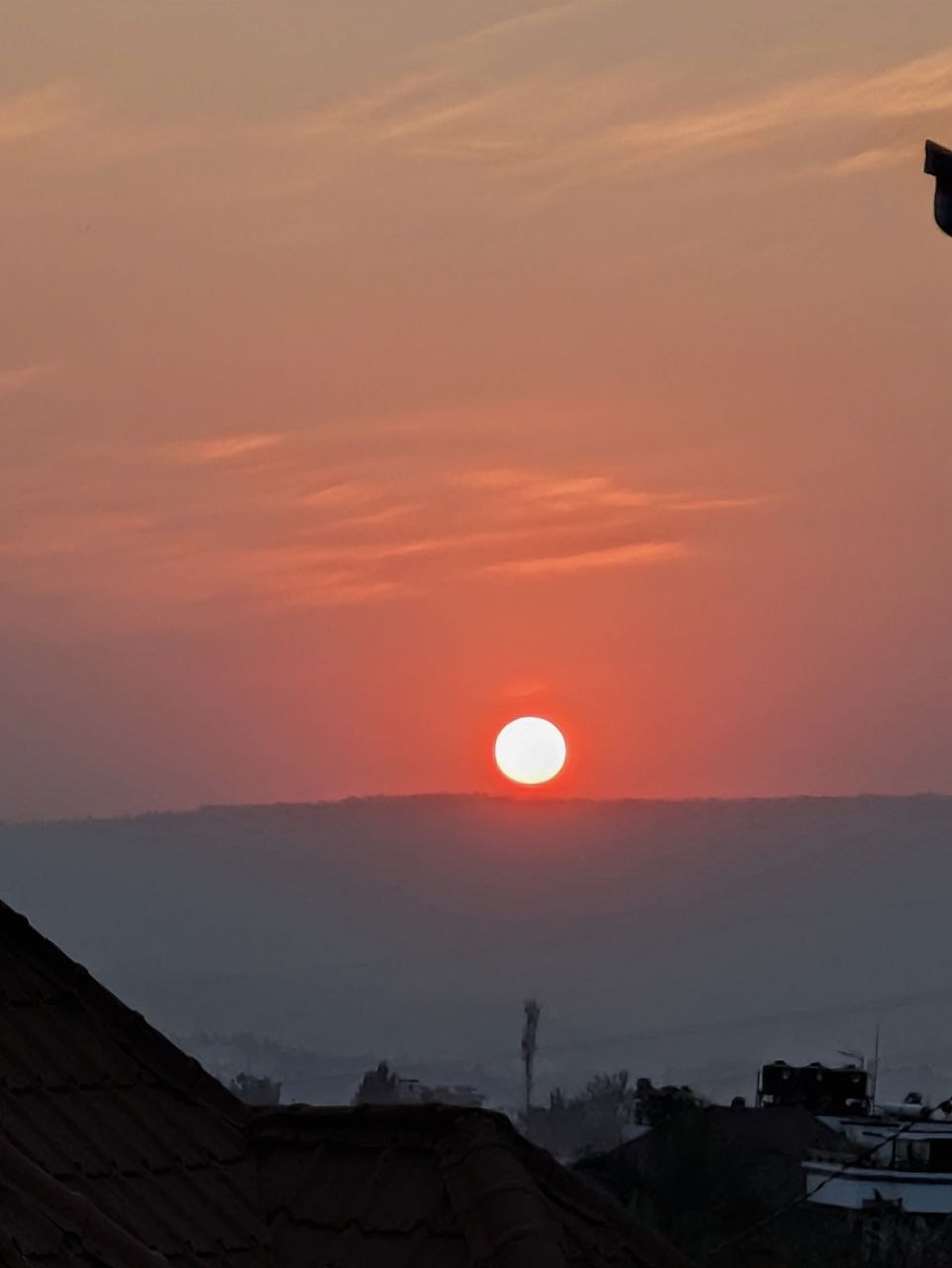
Red sunset in Kigali

Red Sunset in Kigali

Common Brick pattern in Rwanda

Common Brick Pattern in Rwanda

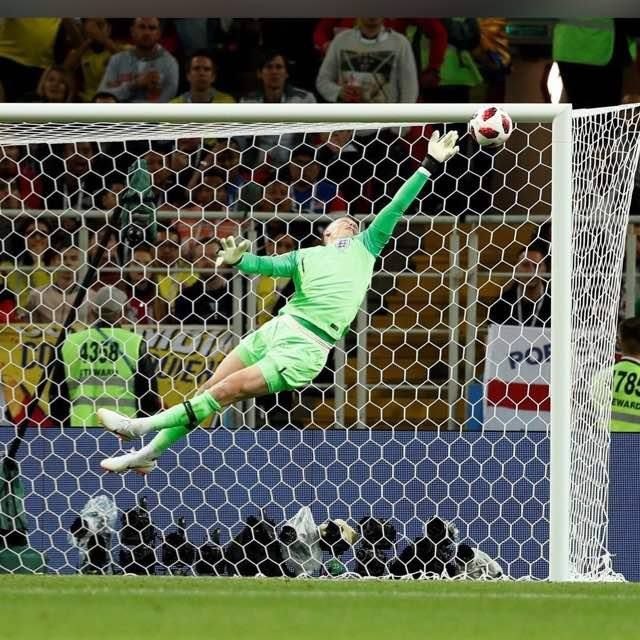
English goalkeeper making a spectacular save

English Goalkeeper Making a Spectacular Save

โžœ View All Gallery Images

Cover Images

View All
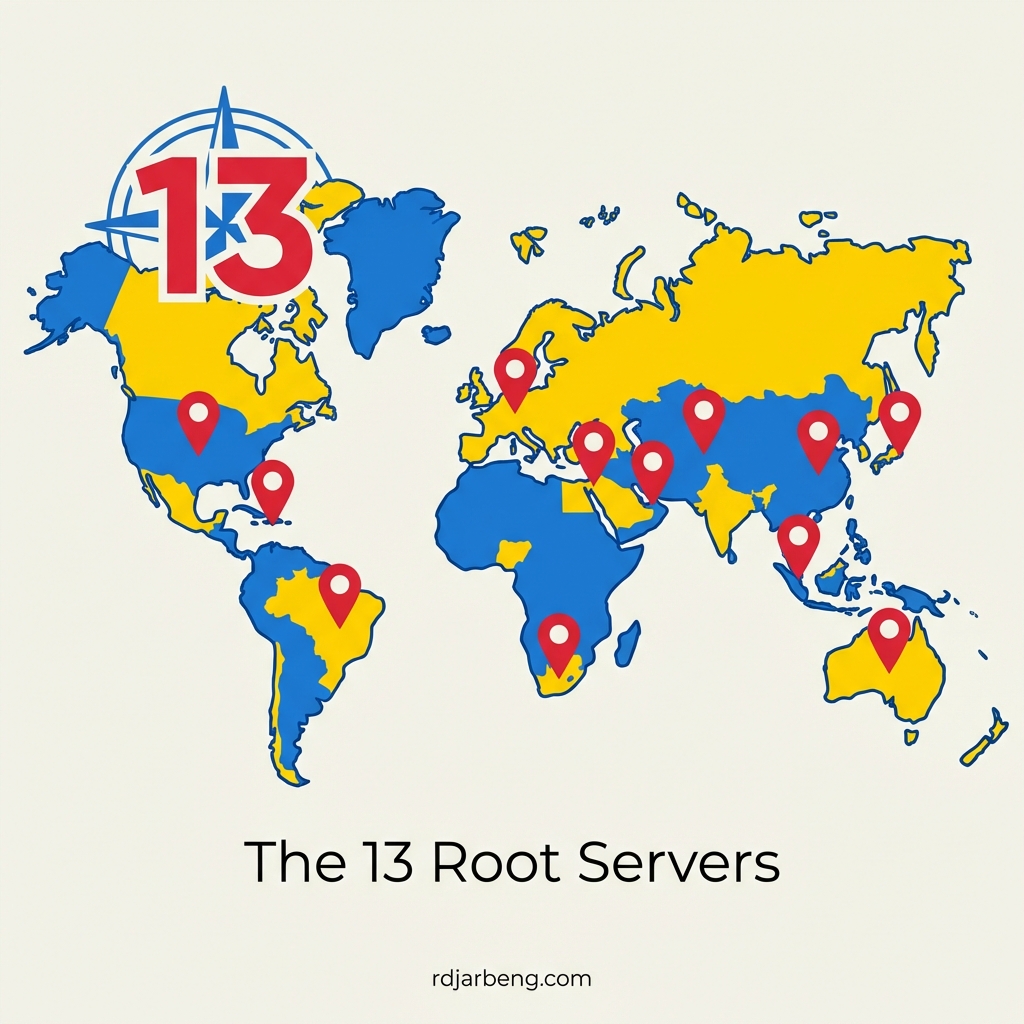
Cover image for post - DNS Root Servers

Cover Image for Post - DNS Root Servers

Cover image for post - Google Rich Results Testing

Cover Image for Post - Google Rich Results Testing

Cover image for post - TrustMRR Verified Startup Revenues

Cover Image for Post - TrustMRR Verified Startup Revenues

Ai generations

View All
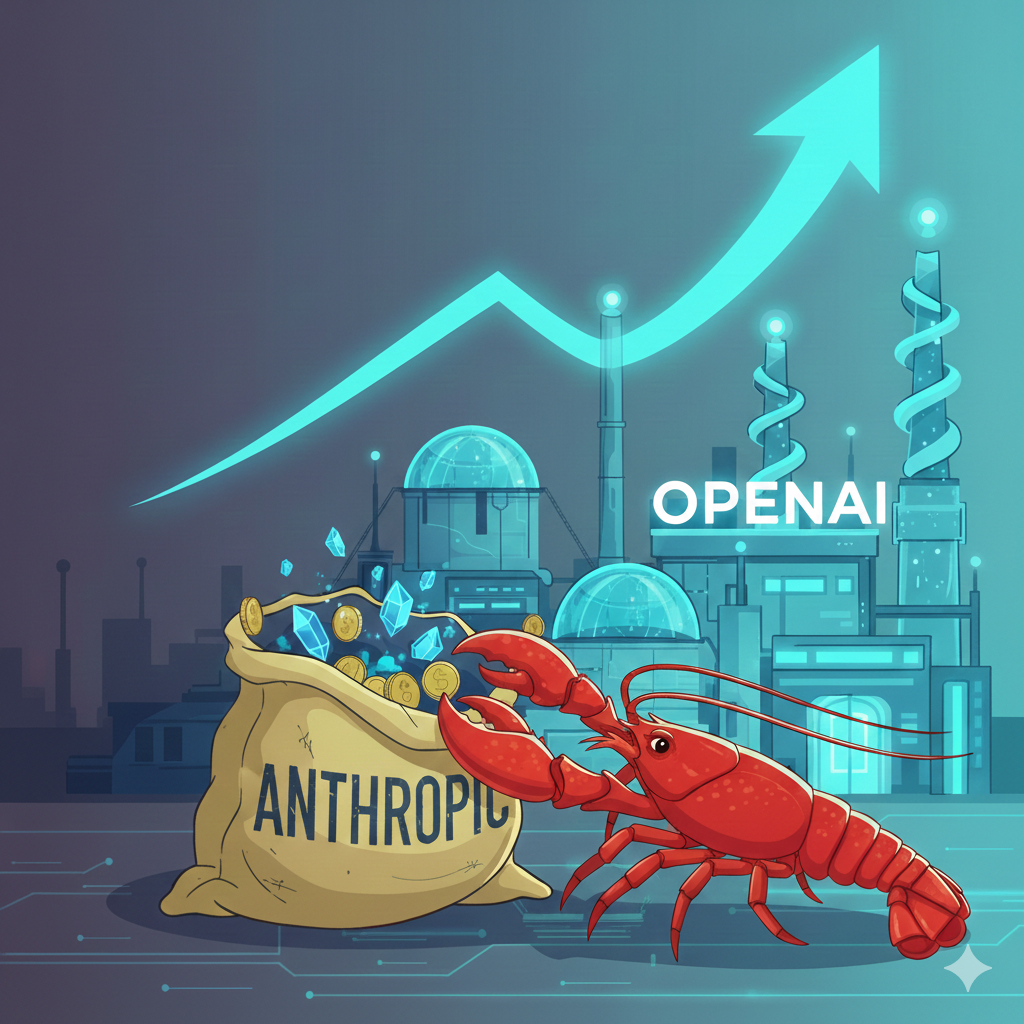
Openclaw Anthropic OpenAI

Openclaw Anthropic OpenAI

Majestic Crystal Dragon by Pollinations AI

Majestic Crystal Dragon by Pollinations AI

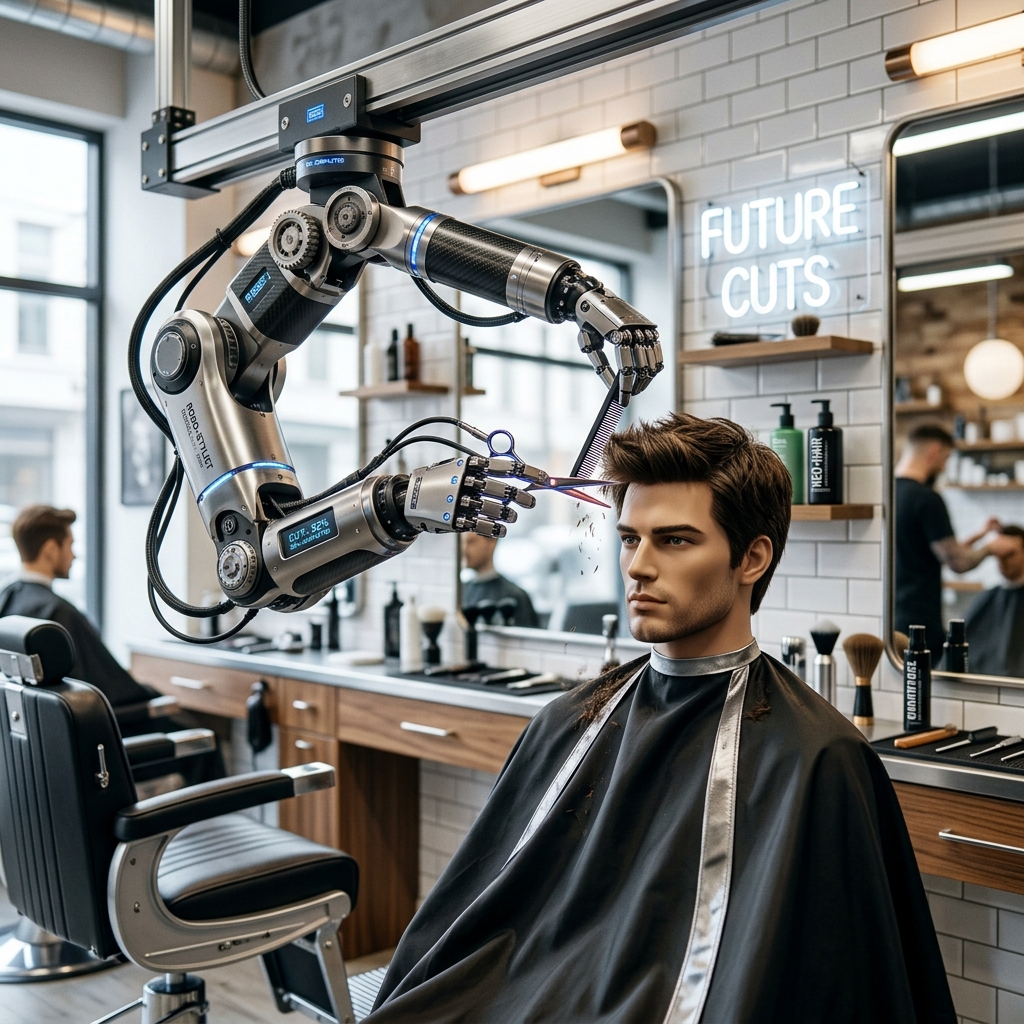
Futuristic Robotic Barber by Imagen Simulation

Futuristic Robotic Barber by Imagen Simulation

AI Barbershop Logo Design by Imagen Simulation

AI Barbershop Logo Design by Imagen Simulation

Cyberpunk Haircut Portrait by Imagen Simulation

Cyberpunk Haircut Portrait by Imagen Simulation

Anime Style Urban Haircut by Imagen Simulation

Anime Style Urban Haircut by Imagen Simulation

โžœ View All Ai generations

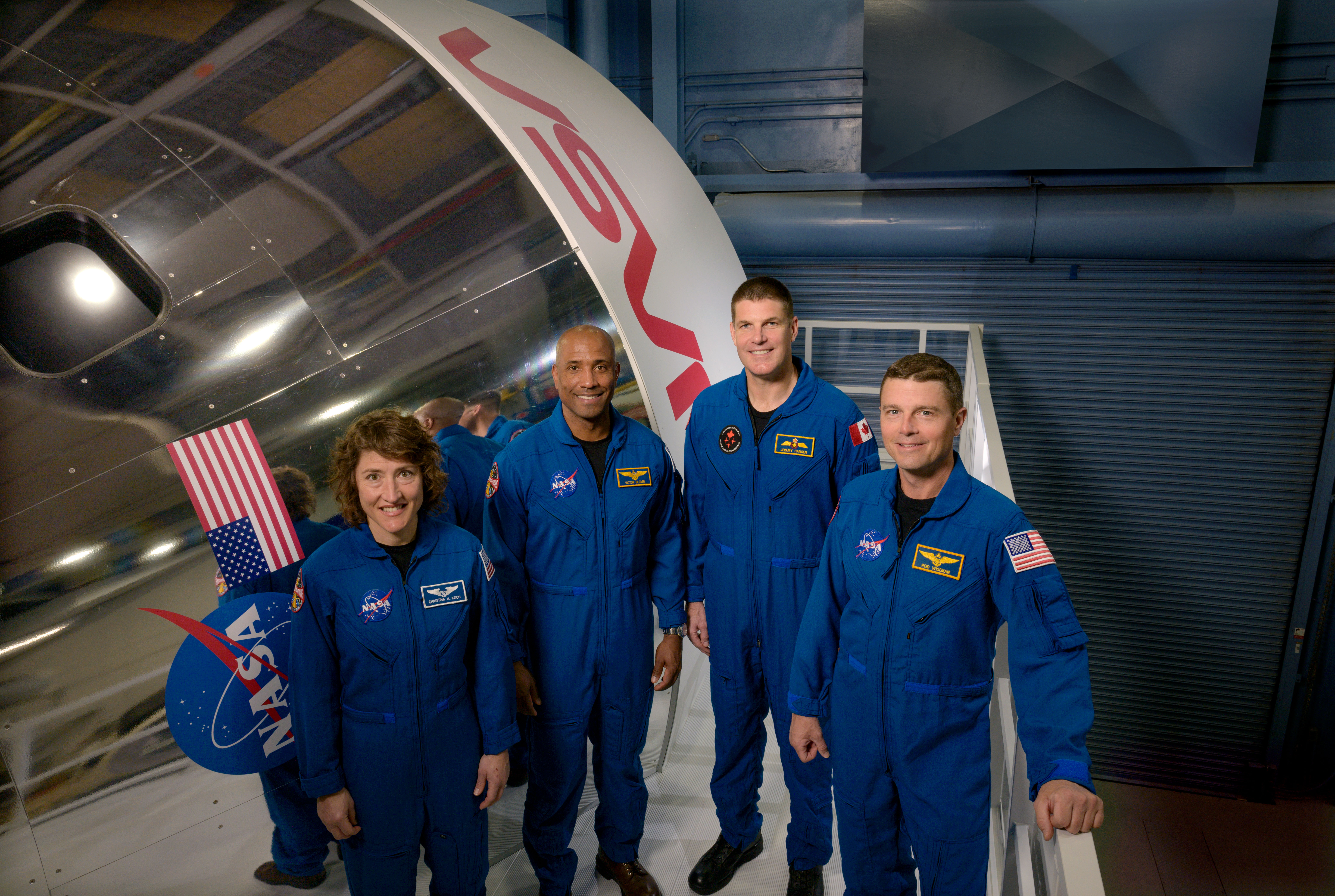
Artemis ii astronauts

View All
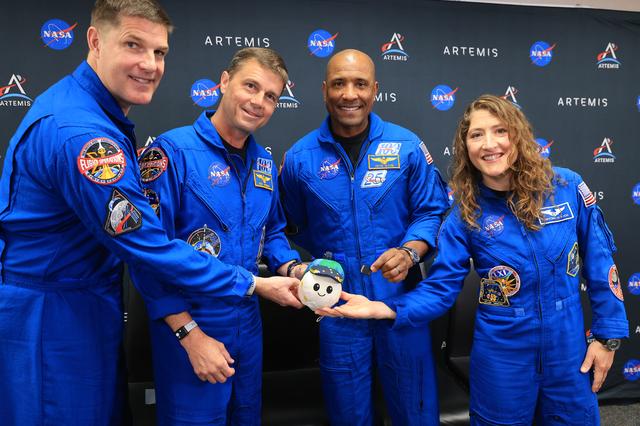
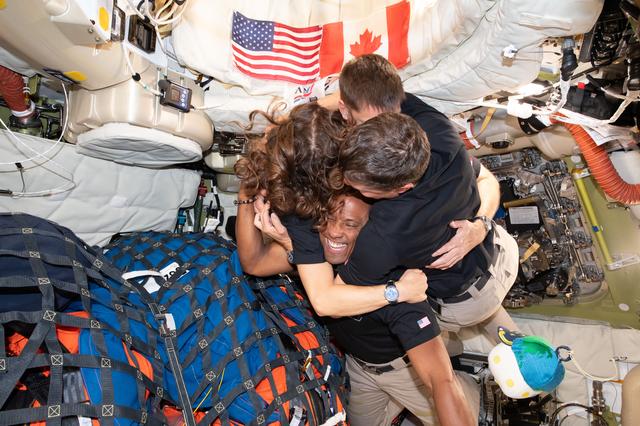
The Artemis II crew pose with the zero gravity indicator named Rise that also...

The Artemis II Crew Pose With the Zero Gravity Indicator Named Rise That Also...

The arrival of the Artemis II astronauts at the Launch and Landing Facility a...

The Arrival of the Artemis II Astronauts at the Launch and Landing Facility A...

The arrival of the Artemis II astronauts at the Launch and Landing Facility a...

The Arrival of the Artemis II Astronauts at the Launch and Landing Facility A...

The arrival of the Artemis II astronauts at the Launch and Landing Facility a...

The Arrival of the Artemis II Astronauts at the Launch and Landing Facility A...

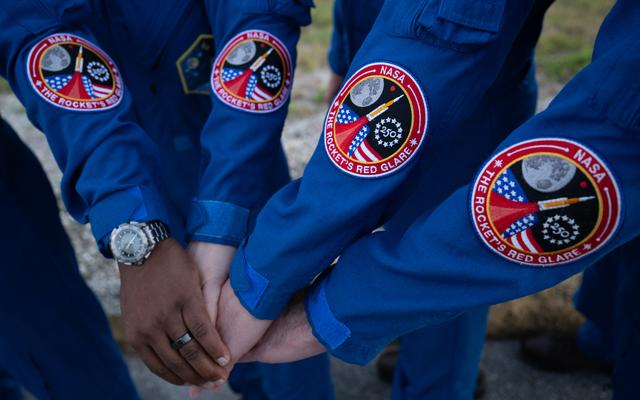
NASA astronauts Victor Glover, Artemis II pilot, left, Christina Koch, Artemi...

NASA Astronauts Victor Glover, Artemis II Pilot, Left, Christina Koch, Artemi...

NASA astronauts Reid Wiseman, Victor Glover, and Christina Hammock Koch, and ...

NASA Astronauts Reid Wiseman, Victor Glover, and Christina Hammock Koch, and ...

โžœ View All Artemis ii astronauts

Artemis ii launch

View All
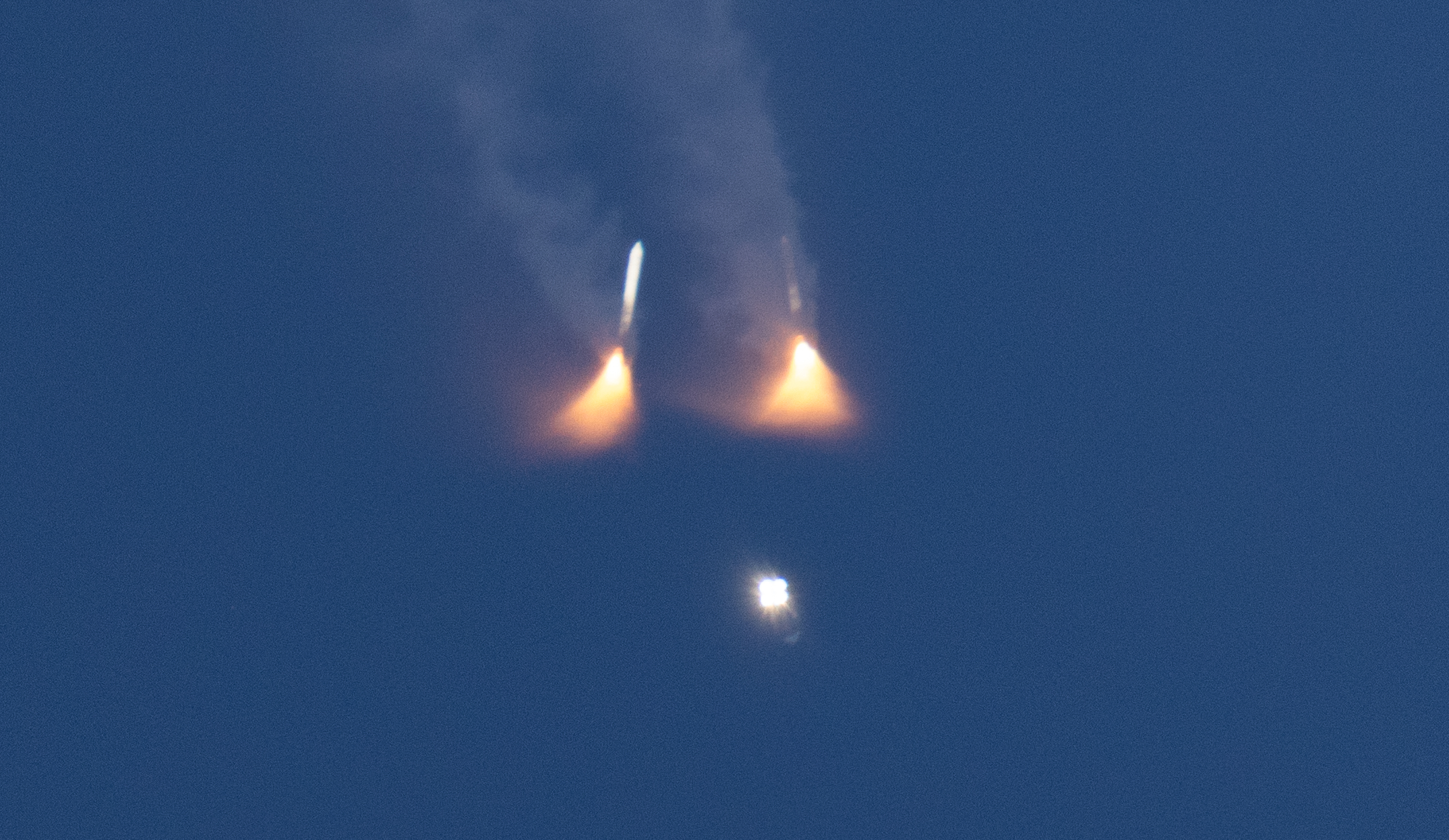
The solid rocket boosters are seen as they fall away after separating from NA...

The Solid Rocket Boosters Are Seen as They Fall Away After Separating From NA...

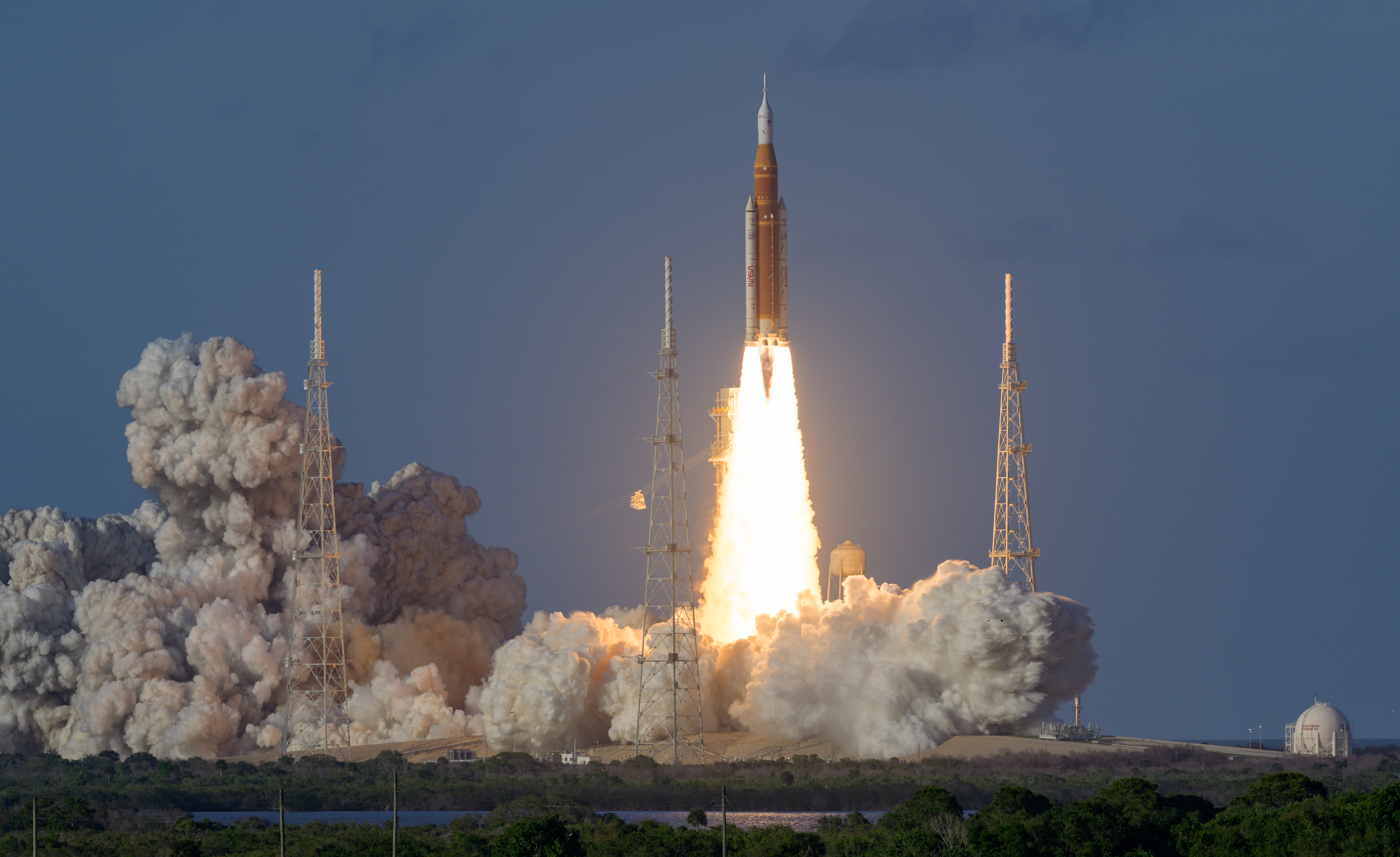
Artemis II Launch with Rocket

Artemis II Launch With Rocket

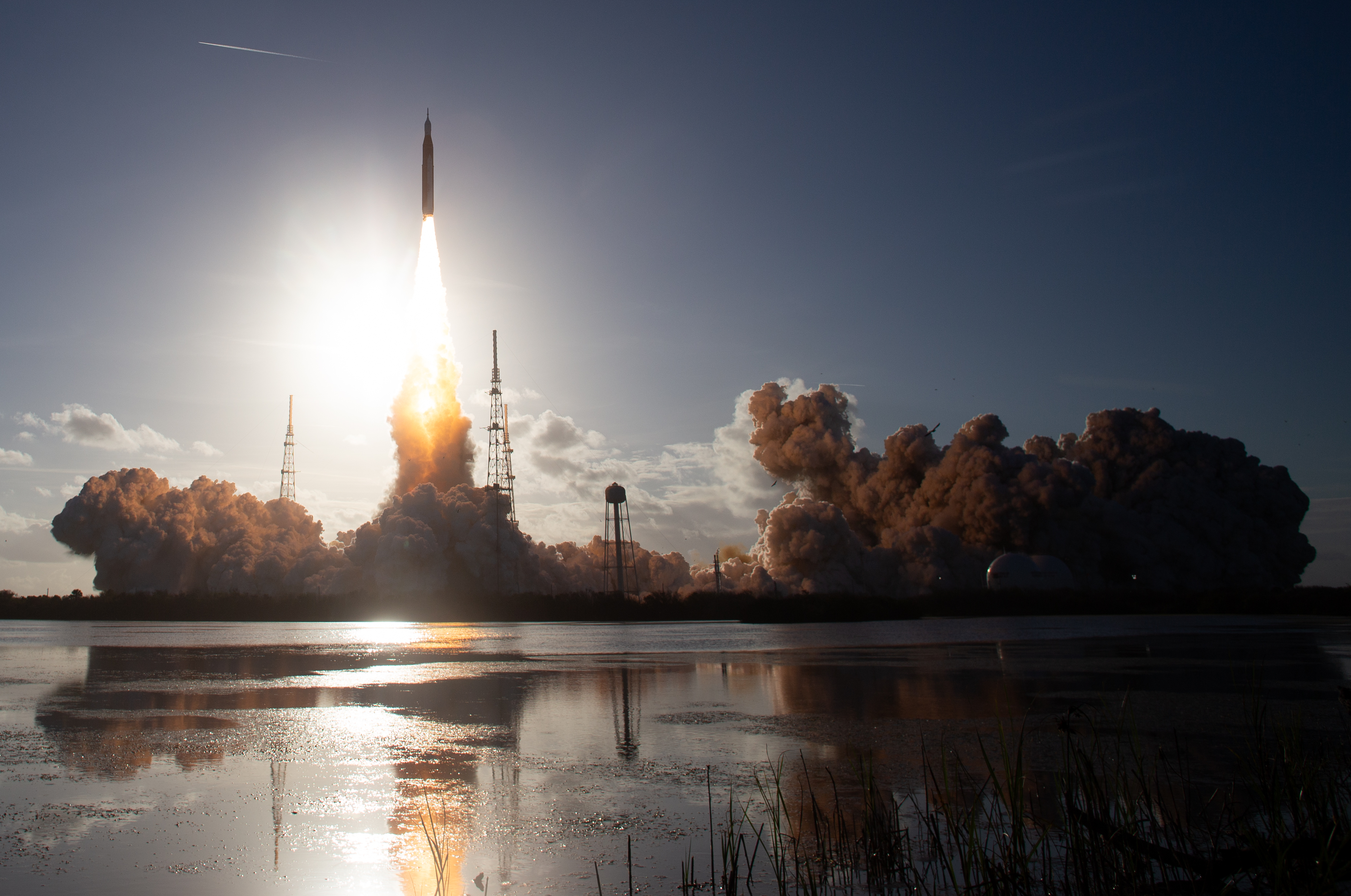
NASAโ€™s Space Launch System rocket carrying the Orion spacecraft with NASA ast...

NASAโ€™s Space Launch System Rocket Carrying the Orion Spacecraft With NASA Ast...

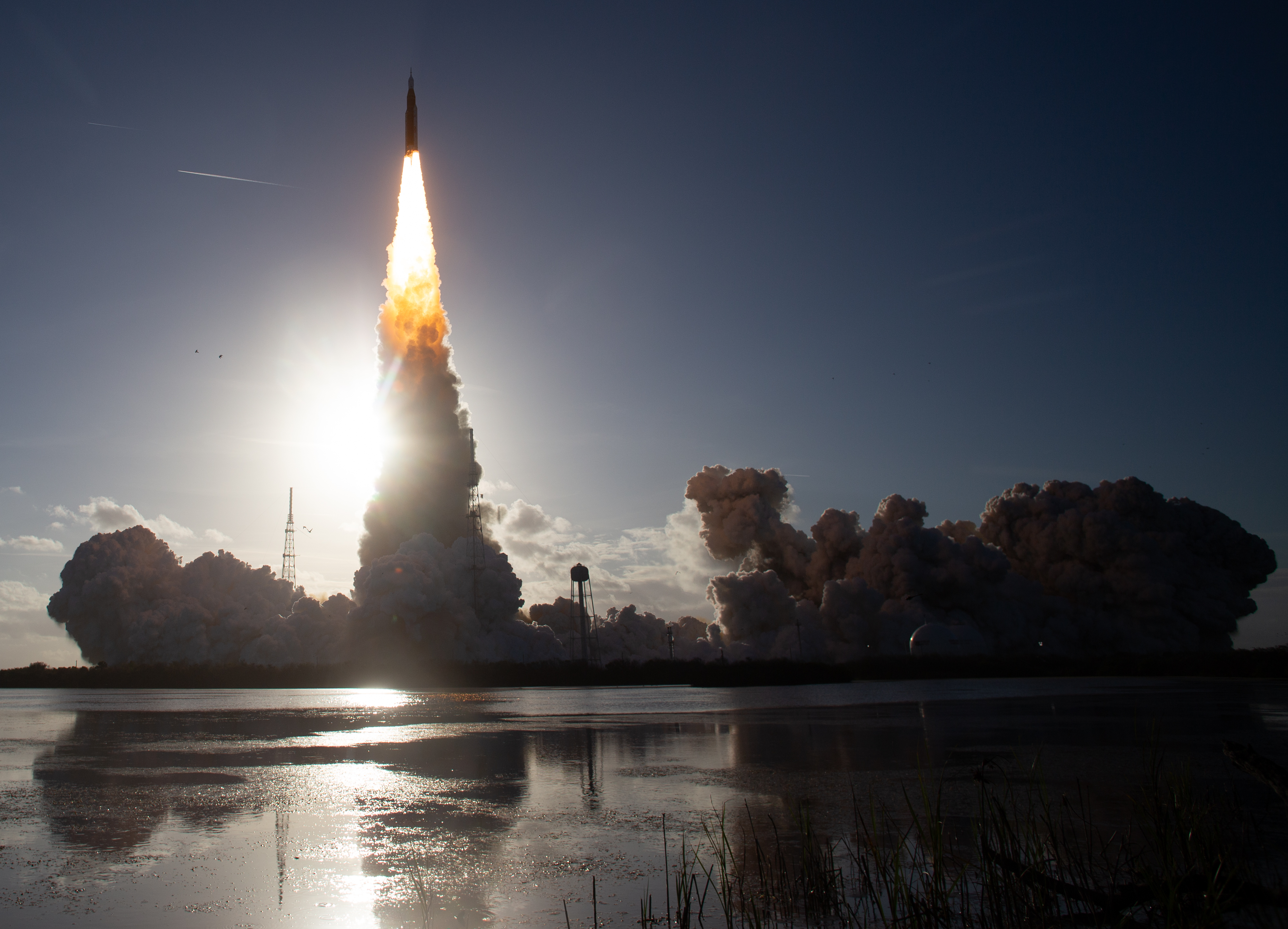
NASAโ€™s Space Launch System rocket carrying the Orion spacecraft with NASA ast...

NASAโ€™s Space Launch System Rocket Carrying the Orion Spacecraft With NASA Ast...

NASAโ€™s Space Launch System rocket carrying the Orion spacecraft with NASA ast...

NASAโ€™s Space Launch System Rocket Carrying the Orion Spacecraft With NASA Ast...

NASAโ€™s Space Launch System rocket carrying the Orion spacecraft with NASA ast...

NASAโ€™s Space Launch System Rocket Carrying the Orion Spacecraft With NASA Ast...

โžœ View All Artemis ii launch

Artemis ii splashdown and return

View All
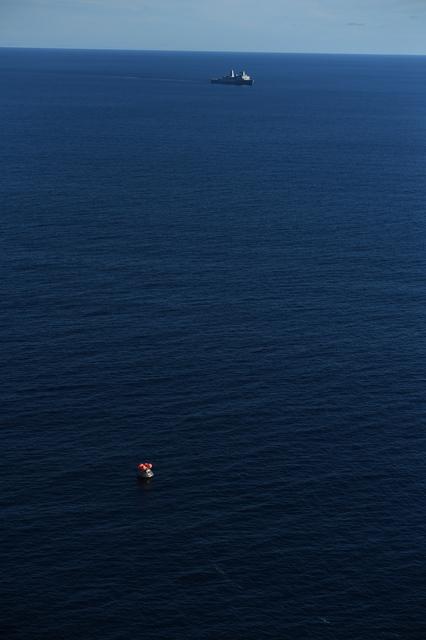
USS John P. Murtha Approaches NASAโ€™s Orion Spacecraft

USS John P. Murtha Approaches NASAโ€™s Orion Spacecraft

U.S. Navy divers deploy in small boats from the well deck of USS John P. Murtha

U.S. Navy Divers Deploy in Small Boats From the Well Deck of USS John P. Murtha

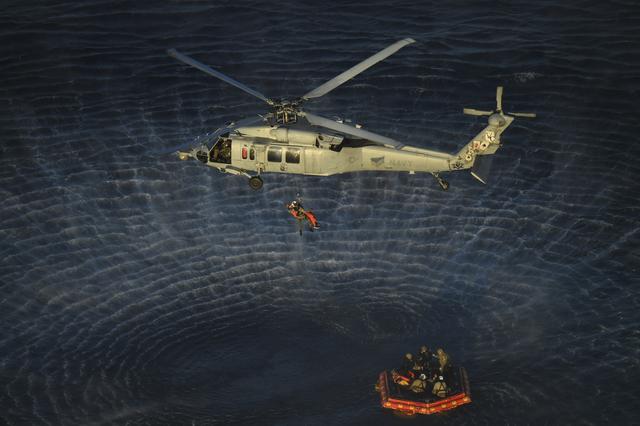
U.S. Navy divers and Artemis II astronauts aboard an inflatable raft are approached by helicopters

U.S. Navy Divers and Artemis II Astronauts Aboard an Inflatable Raft Are Approached by Helicopters

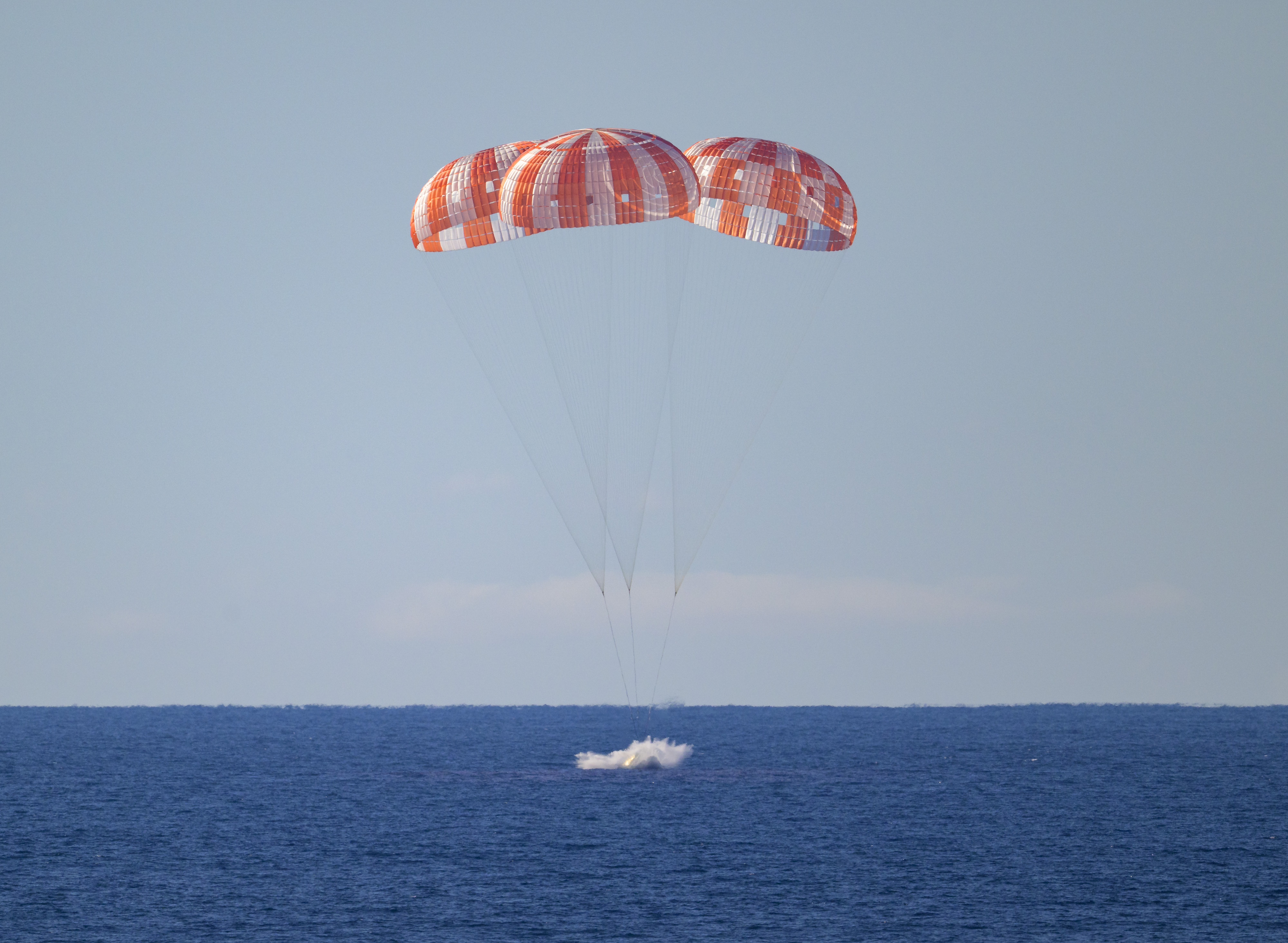
NASAโ€™s Orion spacecraft with Artemis II crewmembers NASA astronauts Reid Wise...

NASAโ€™s Orion Spacecraft With Artemis II Crewmembers NASA Astronauts Reid Wise...

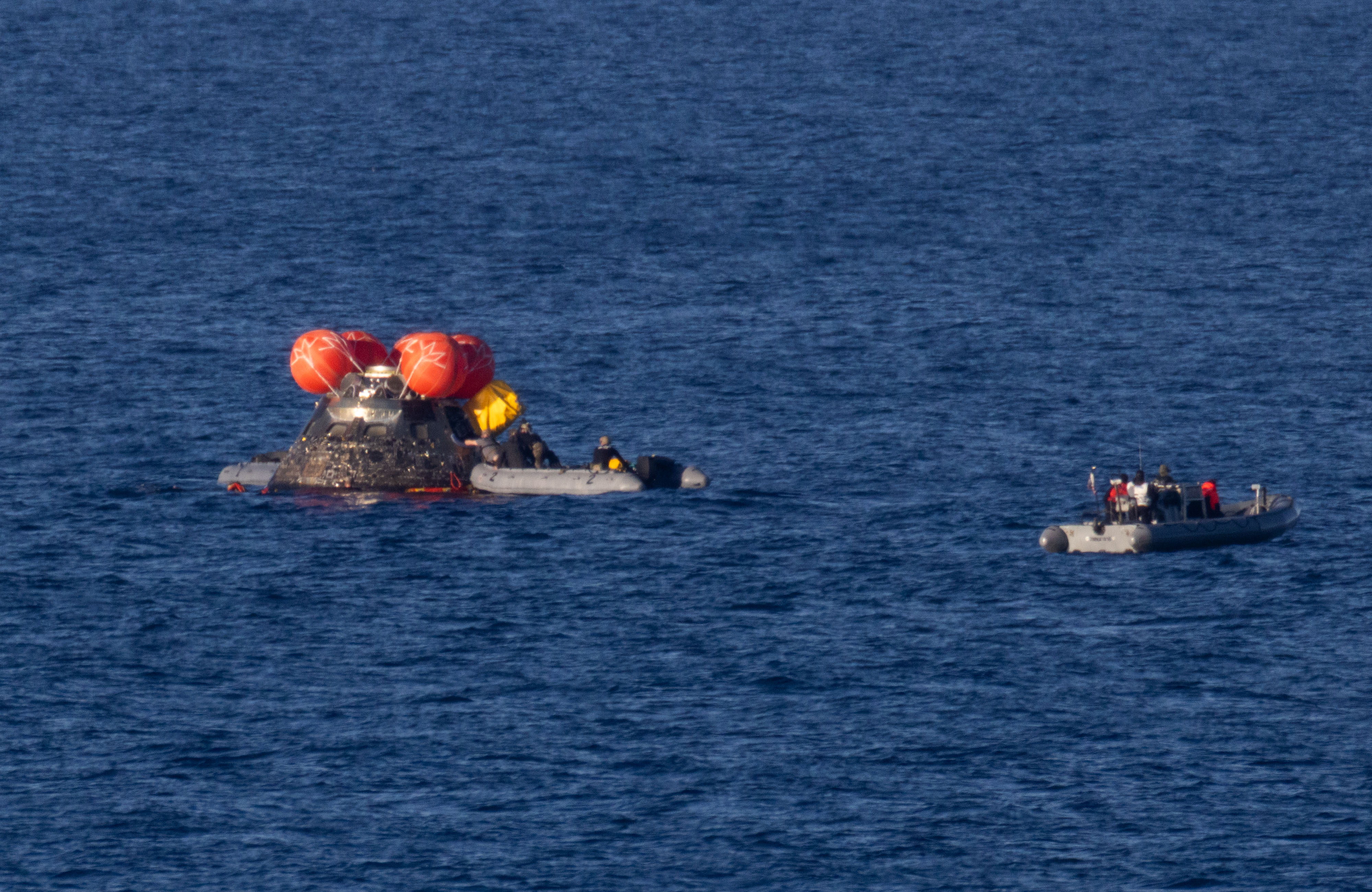
NASAโ€™s Orion spacecraft is seen as recovery teams work to secure the spacecra...

NASAโ€™s Orion Spacecraft Is Seen as Recovery Teams Work to Secure the Spacecra...

NASA astronaut Victor Glover, Artemis II pilot, left, and NASA astronaut Chri...

NASA Astronaut Victor Glover, Artemis II Pilot, Left, and NASA Astronaut Chri...

โžœ View All Artemis ii splashdown and return

Cover Images

View All
Cover image for post - DNS Root Servers

Cover Image for Post - DNS Root Servers

Cover image for post - Google Rich Results Testing

Cover Image for Post - Google Rich Results Testing

Cover image for post - TrustMRR Verified Startup Revenues

Cover Image for Post - TrustMRR Verified Startup Revenues

From movies and animation

View All
Jim Carrey in Bruce Almighty typing replies quickly

Jim Carrey in Bruce Almighty Typing Replies Quickly

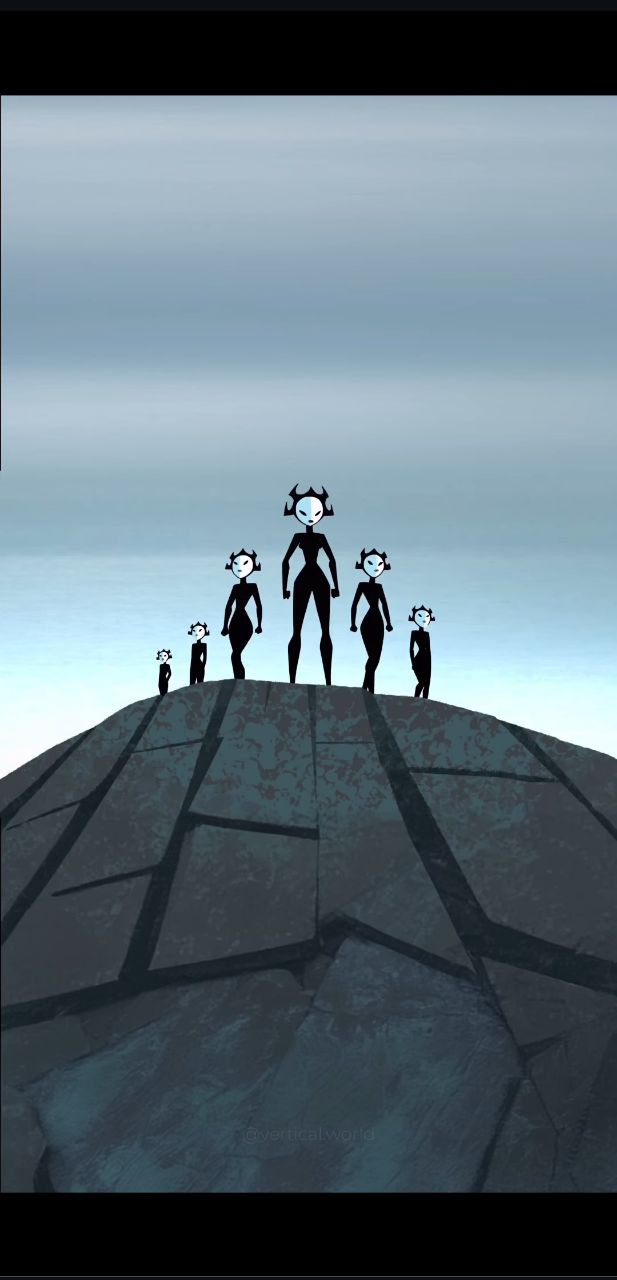
Daughters of Aku from Samurai Jack

Daughters of Aku From Samurai Jack

Aku from Samurai Jack standing up fully in front of the brightness

Aku From Samurai Jack Standing up Fully in Front of the Brightness

Tom and Jerry: Tom about to blow his mind

Tom and Jerry: Tom About to Blow His Mind

Tai Lung returns to the Jade Palace in Kung Fu Panda

Tai Lung Returns to the Jade Palace in Kung Fu Panda

Pain from Naruto sitting on a tongue of a statue overlooking the village

Pain From Naruto Sitting on a Tongue of a Statue Overlooking the Village

โžœ View All From movies and animation

Ghana

View All
What fish is this? Strange things to do with AI

What Fish Is This? Strange Things to Do With AI

Ghana's eagle vs The Lion of England

Ghana's Eagle Vs the Lion of England

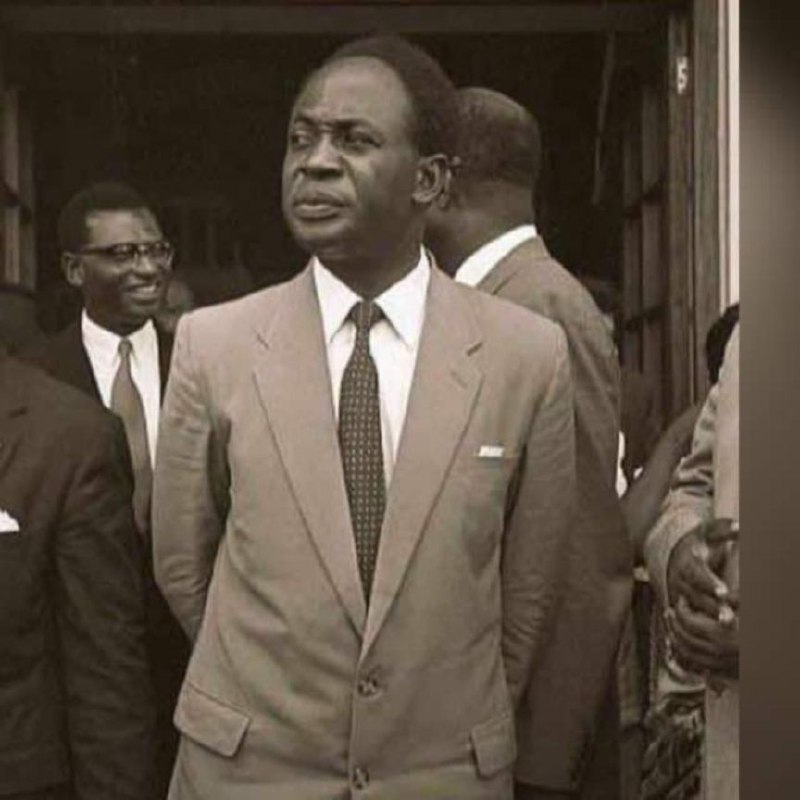
Kwame Nkrumah Looking Around Almost Disapproving

Kwame Nkrumah Looking Around Almost Disapproving

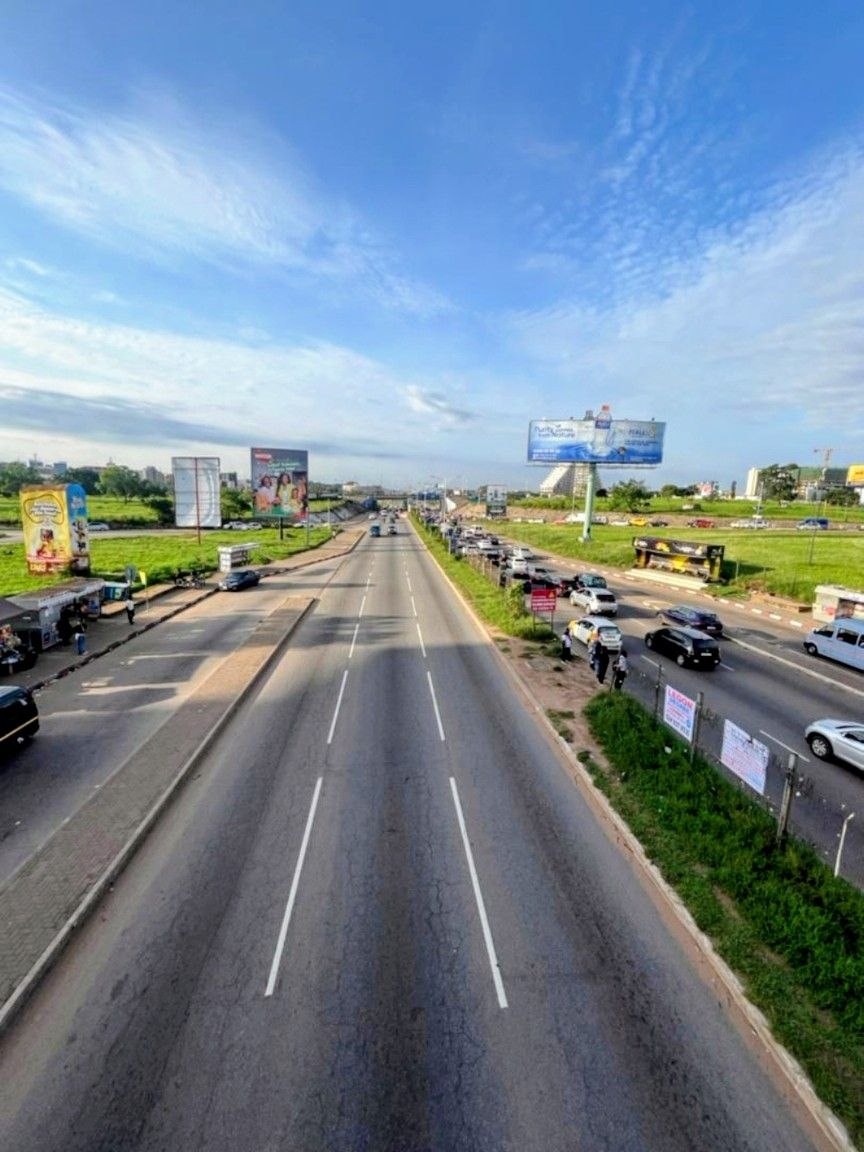
Highway in Accra close to the Airport residential area

Highway in Accra Close to the Airport Residential Area

Bronze statue of Dr Kwame Nkrumah at the Kwame Nkrumah Mausoleum in Accra

Bronze Statue of Dr Kwame Nkrumah at the Kwame Nkrumah Mausoleum in Accra

Kente From Ghana Design

Kente From Ghana Design

โžœ View All Ghana

Iconic images

View All
We are not the same

We Are Not the Same

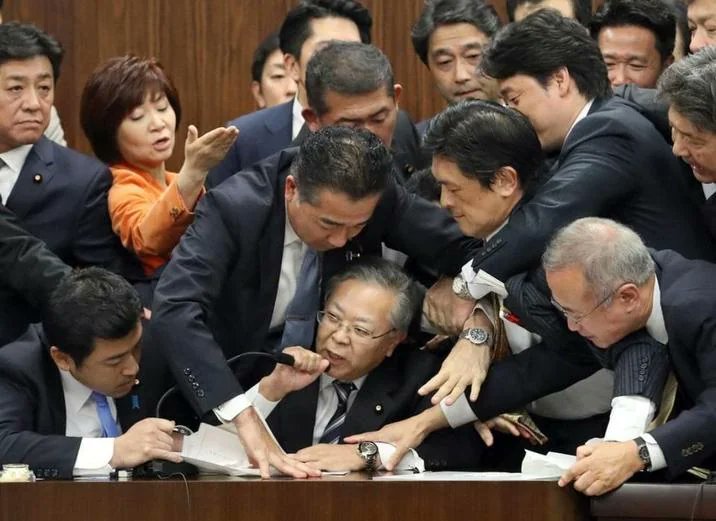
Trying to stop a Japanese MP from speaking

Trying to Stop a Japanese MP From Speaking

Trumpet boy (2018)

Trumpet Boy (2018)

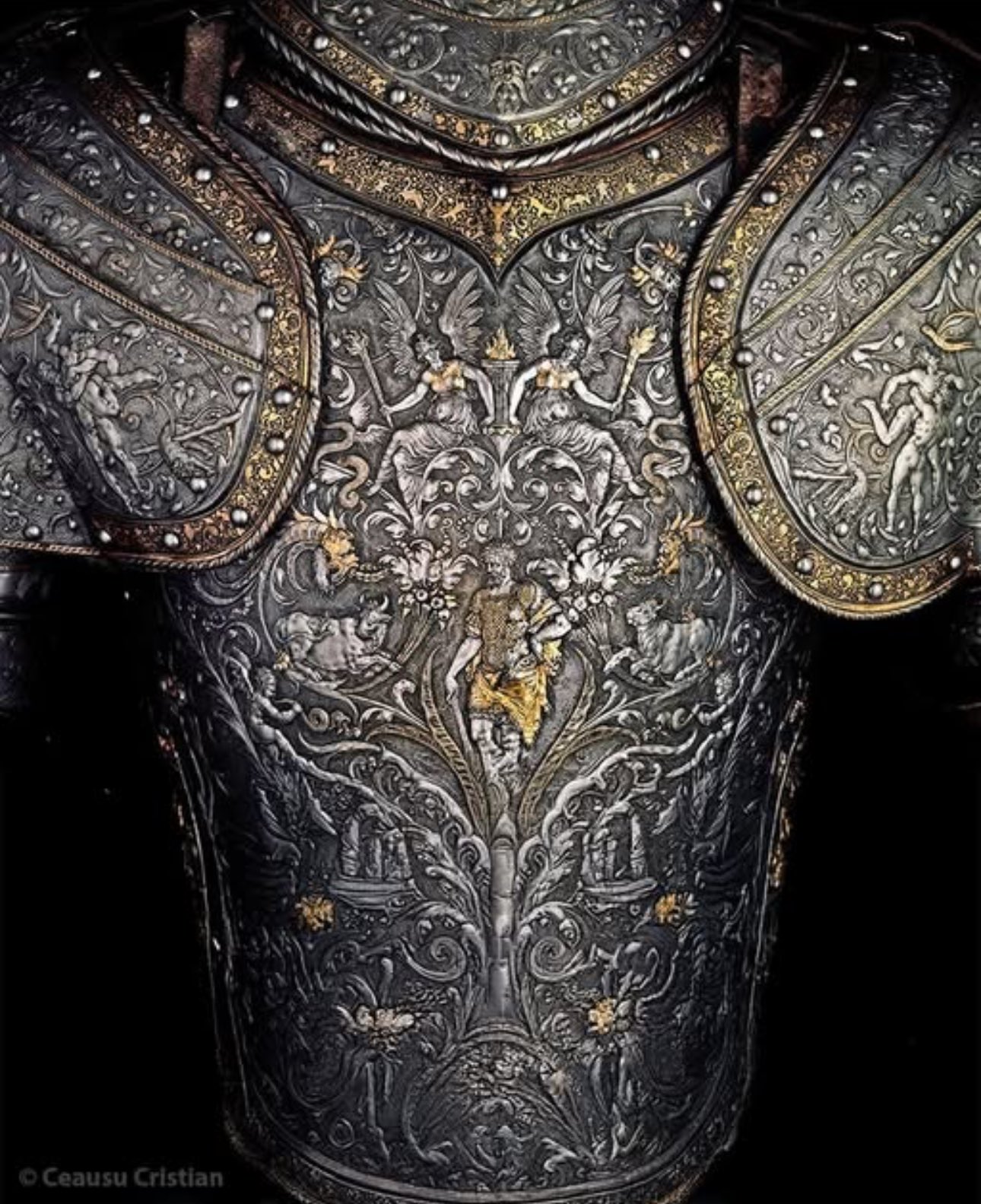
The Hercules Armor, forged in 1555 for Emperor Maximilian II of Austria

The Hercules Armor, Forged in 1555 for Emperor Maximilian II of Austria

Negotiations in the animal kingdom

Negotiations in the Animal Kingdom

Michael Jackson at the 1993 Super Bowl halftime show

Michael Jackson at the 1993 Super Bowl Halftime Show

โžœ View All Iconic images

Journey to the moon

View All
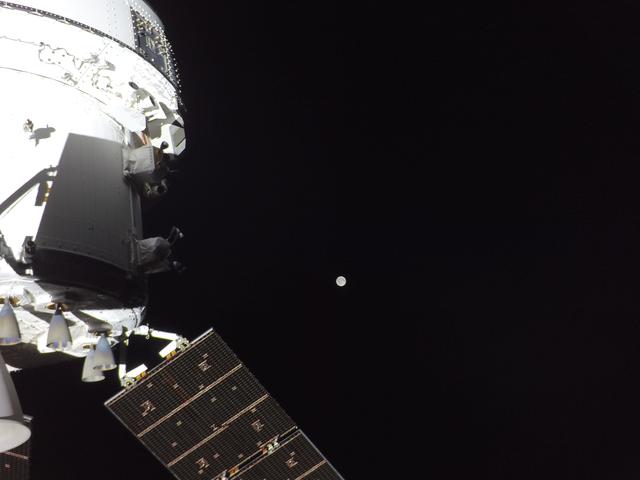
The Artemis II crew took this photo on day 4 of their journey...

The Artemis II Crew Took This Photo on Day 4 of Their Journey...

The Artemis II crew is en route to the Moon on the second...

The Artemis II Crew Is En Route to the Moon on the Second...

The Artemis II crew is en route to the Moon on the second...

The Artemis II Crew Is En Route to the Moon on the Second...

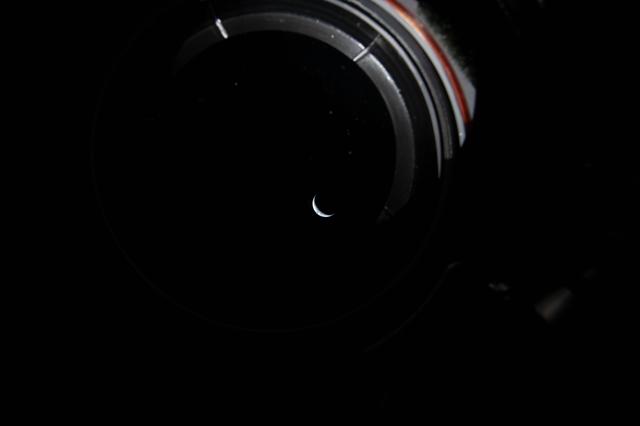
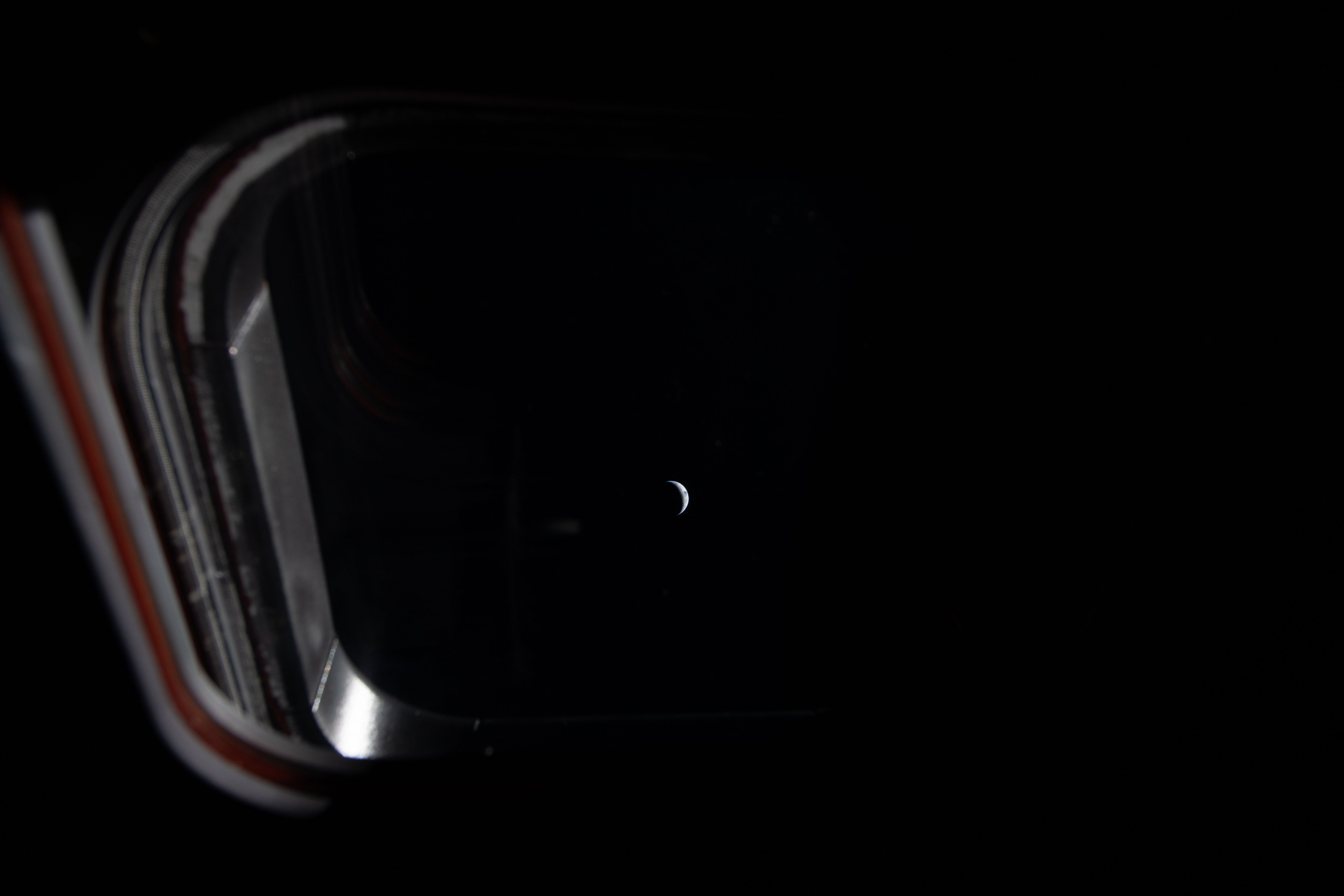
Peering out the window of the Orion spacecraft at a sliver of...

Peering Out the Window of the Orion Spacecraft at a Sliver Of...

Peering out one of the four windows near the display console on the Orion spa...

Peering Out One of the Four Windows Near the Display Console on the Orion Spa...

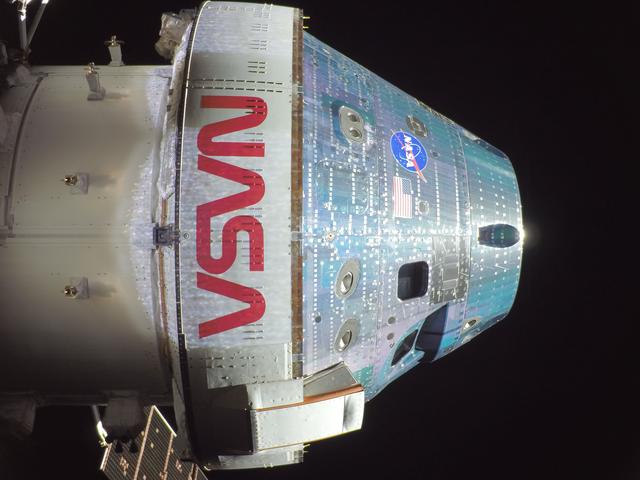
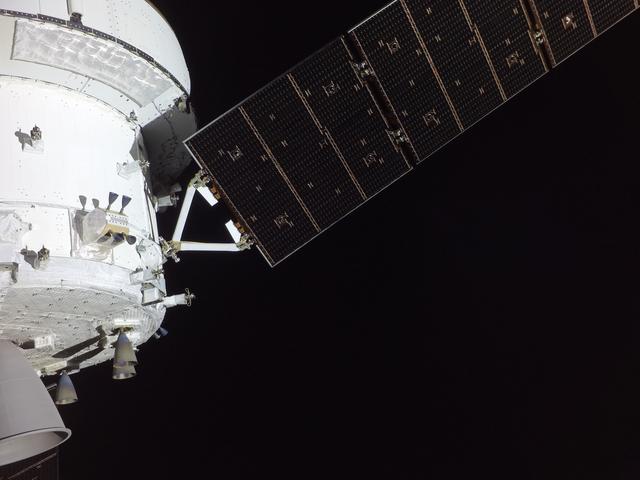
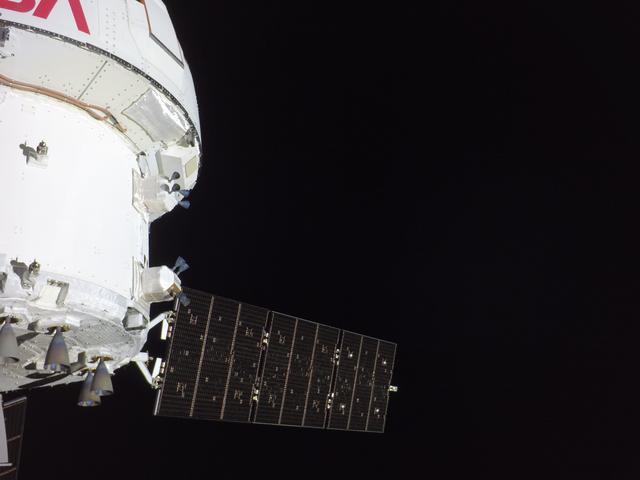
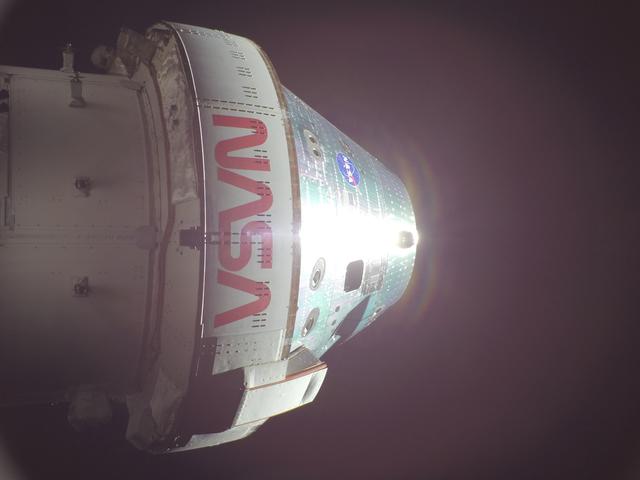
Orion snapped this high-resolution selfie in space with a...

Orion Snapped This High-resolution Selfie in Space With A...

โžœ View All Journey to the moon

Lunar flyby

View All
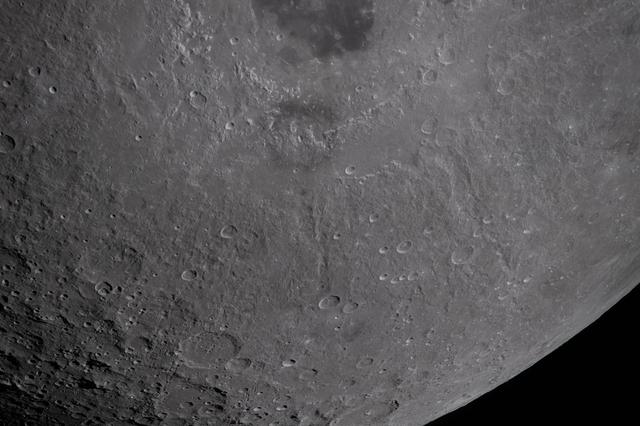
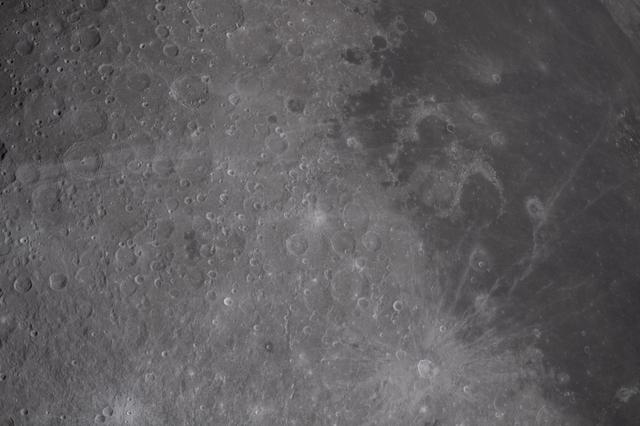
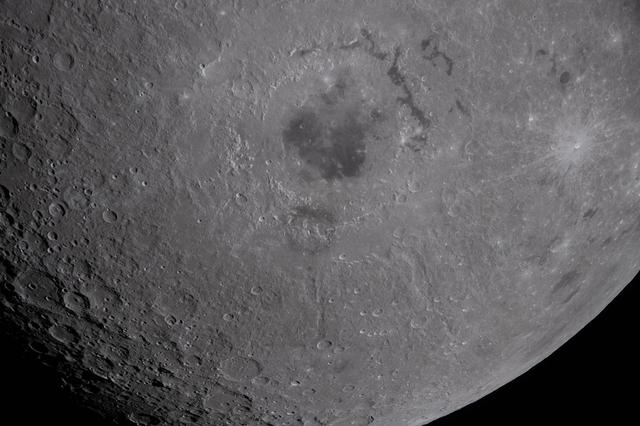
This view of the southwest portion of Orientale Basin...

This View of the Southwest Portion of Orientale Basin...

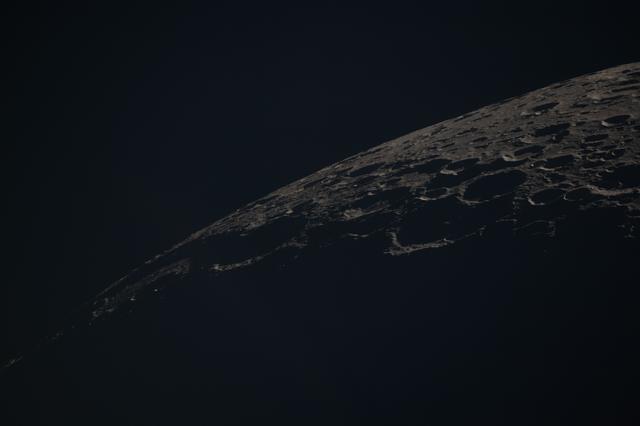
This view of the Moon captures the terminatorโ€”the shifting...

This View of the Moon Captures the Terminatorโ€”the Shifting...

The Sun is rising at the left edge of the Moon, ending a...

The Sun Is Rising at the Left Edge of the Moon, Ending A...

The small, bright spot in the center of the image is the...

The Small, Bright Spot in the Center of the Image Is The...

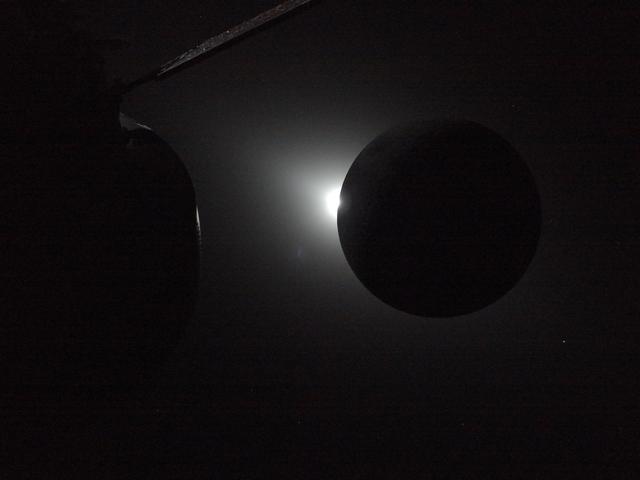
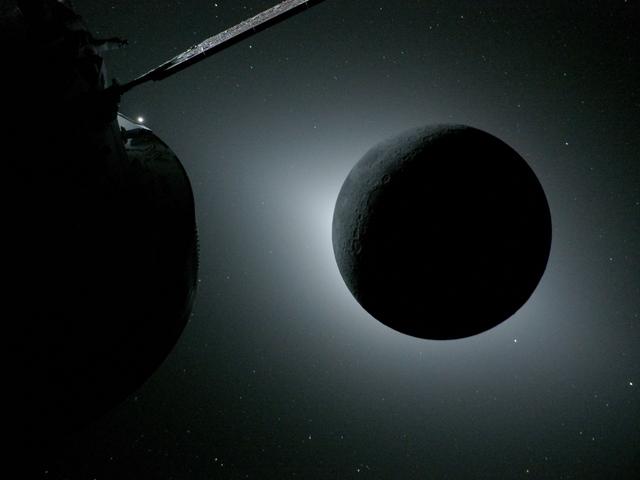
The Moon, backlit by the Sun during a solar eclipse, is...

The Moon, Backlit by the Sun During a Solar Eclipse, Is...

The lower half of the Moon hangs suspended in time in this...

The Lower Half of the Moon Hangs Suspended in Time in This...

โžœ View All Lunar flyby

Memes

View All
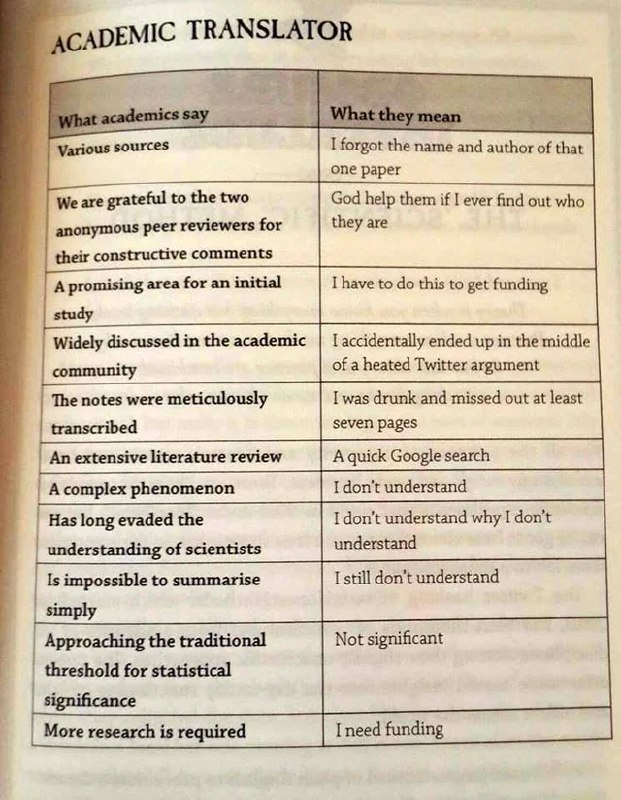
Academic Translator Humor Chart from reddit Professors

Academic Translator Humor Chart From Reddit Professors

My brand new research idea vs Zhang et al

My Brand New Research Idea Vs Zhang Et Al

The new parents with ChatGPT

The New Parents With ChatGPT

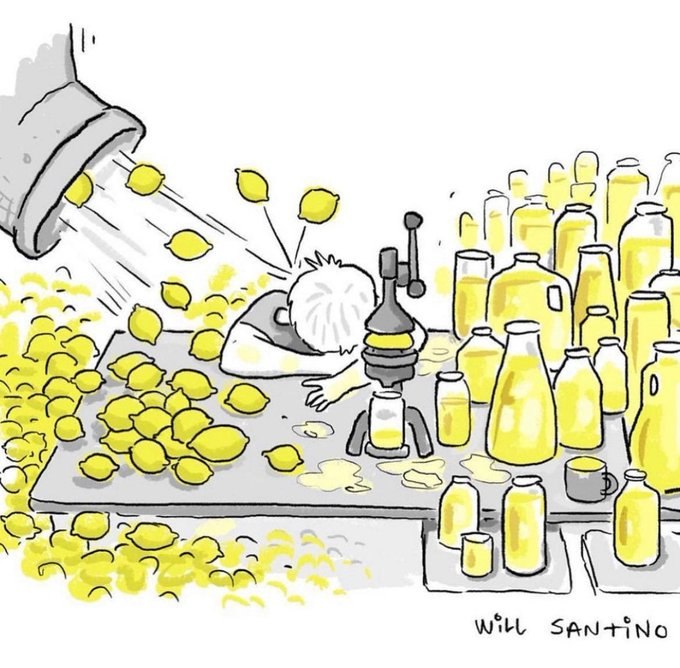
When Life Gives You Lemons Meme

When Life Gives You Lemons Meme

But they are still lying

But They Are Still Lying

Why people die young according to Mom

Why People Die Young According to Mom

โžœ View All Memes

Nasa apod

View All
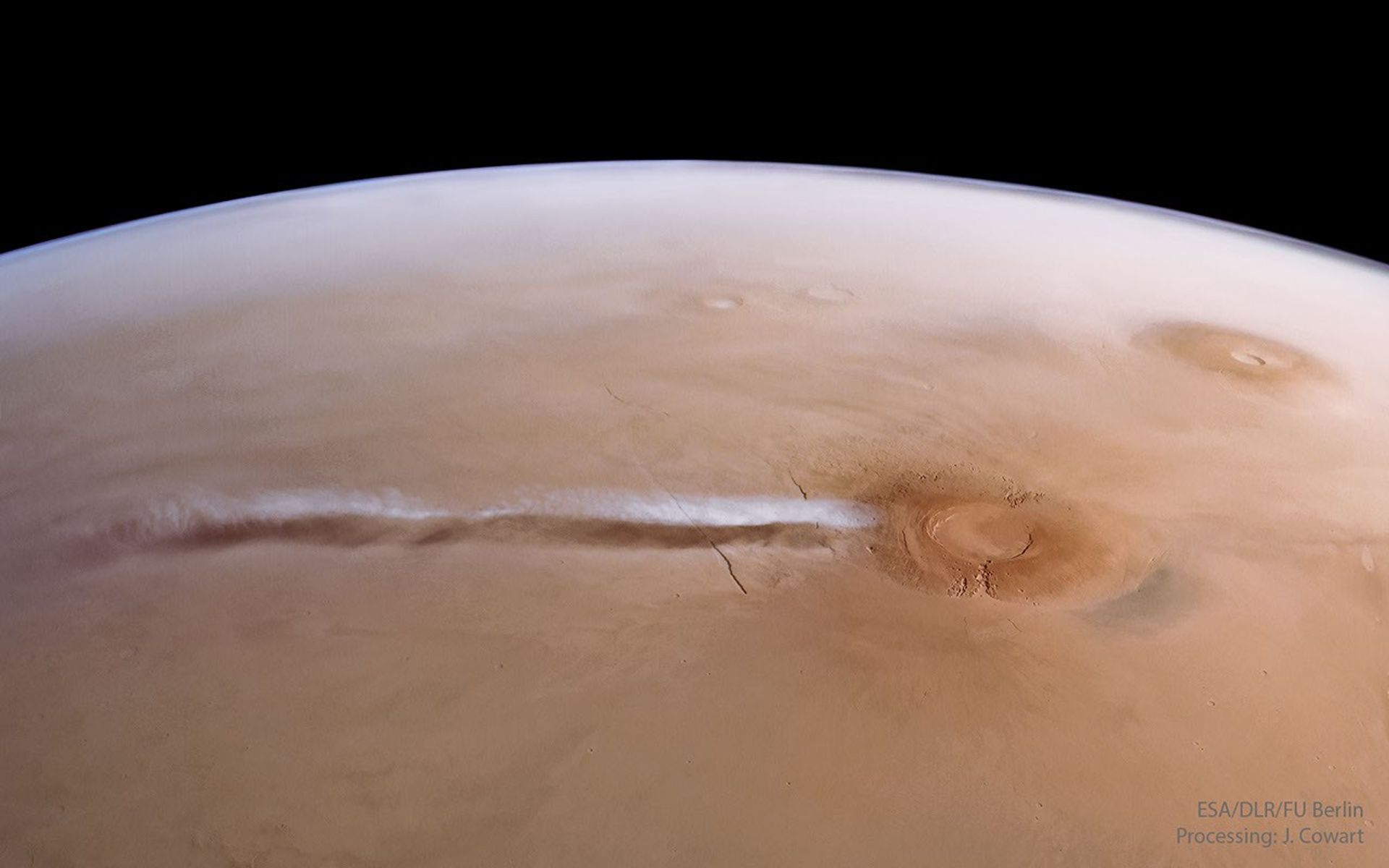
NASA Picture of the Day: A Long Cloud on Mars (Nov 02, 26)

NASA Picture of the Day: a Long Cloud on Mars (Nov 02, 26)

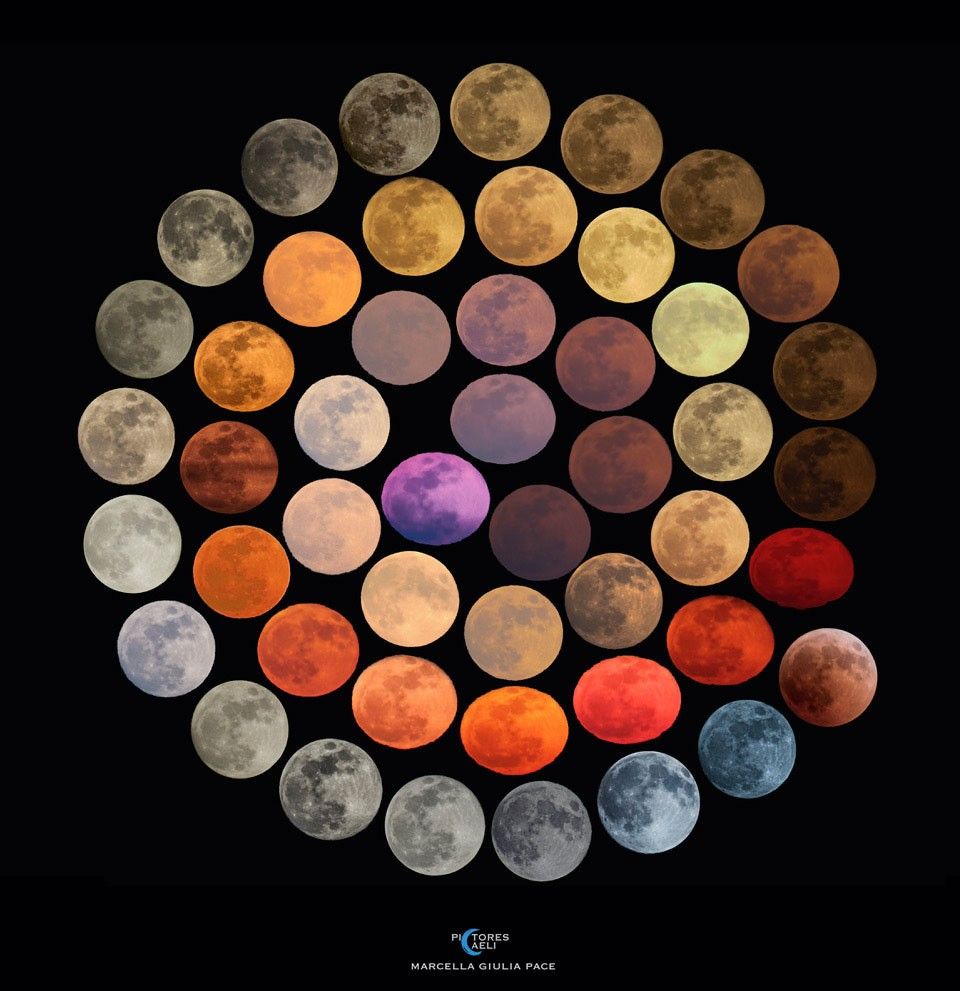
NASA Picture of the Day: Colors of the Moon (Nov 01, 26)

NASA Picture of the Day: Colors of the Moon (Nov 01, 26)

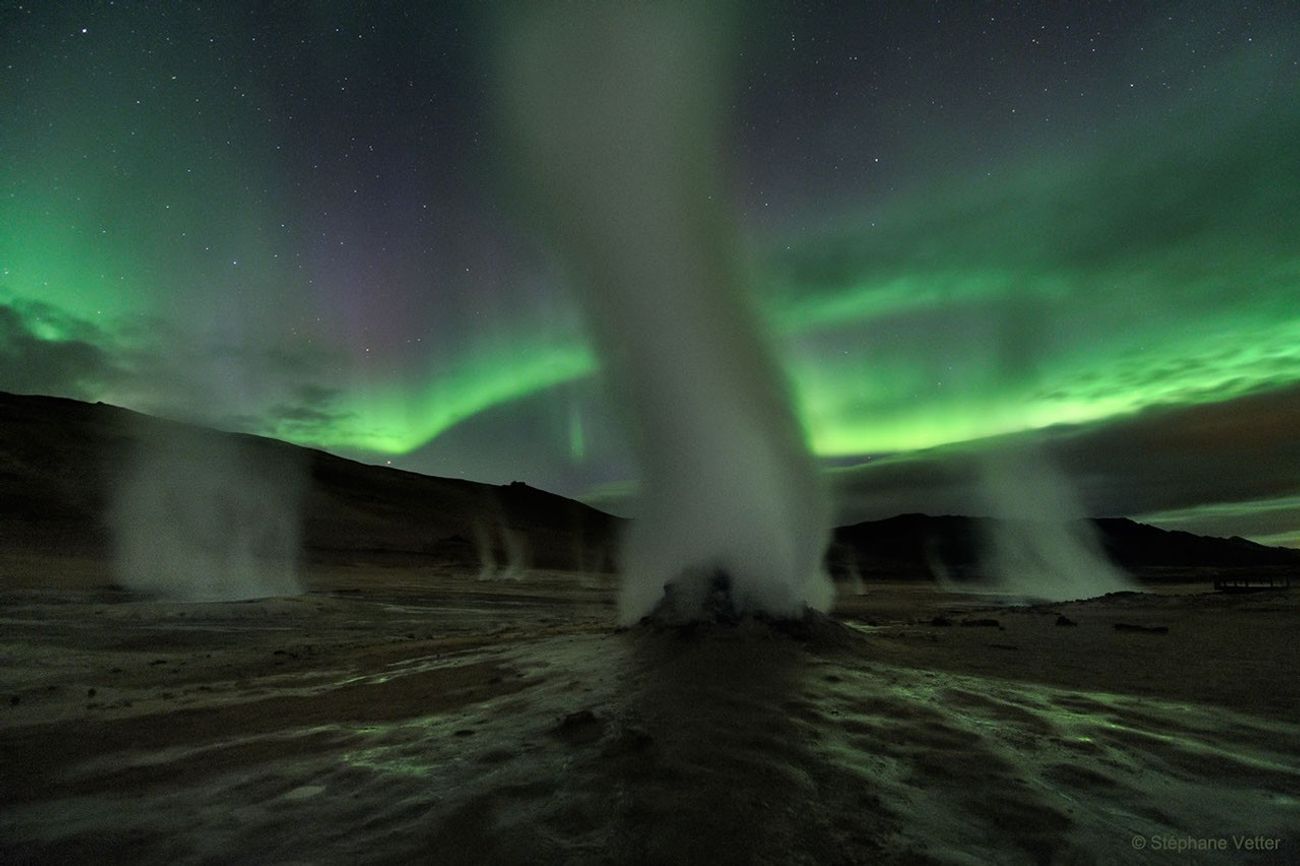
NASA Picture of the Day: Night on a Spooky Planet (Oct 31, 26)

NASA Picture of the Day: Night on a Spooky Planet (Oct 31, 26)

NASA Picture of the Day: Haunting the Cepheus Flare (Oct 30, 26)

NASA Picture of the Day: Haunting the Cepheus Flare (Oct 30, 26)

NASA Picture of the Day: The Horns of Venus (Oct 29, 26)

NASA Picture of the Day: the Horns of Venus (Oct 29, 26)

NASA Picture of the Day: Noctilucent Clouds over Sweden (Oct 27, 26)

NASA Picture of the Day: Noctilucent Clouds Over Sweden (Oct 27, 26)

โžœ View All Nasa apod

Rwanda

View All
Red sunset in Kigali

Red Sunset in Kigali

Common Brick pattern in Rwanda

Common Brick Pattern in Rwanda

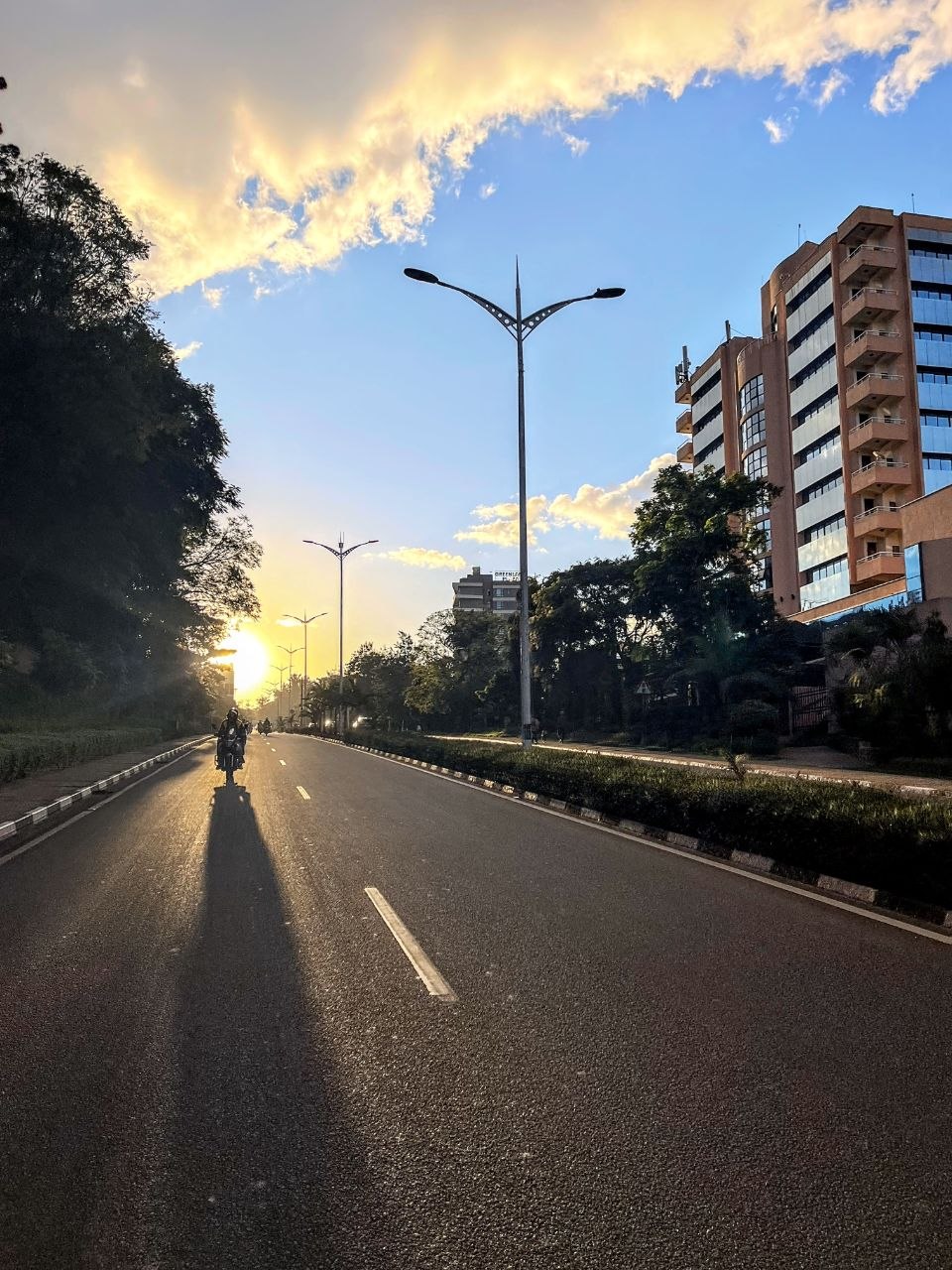
Road in Rwanda with Vision City in the background

Road in Rwanda With Vision City in the Background

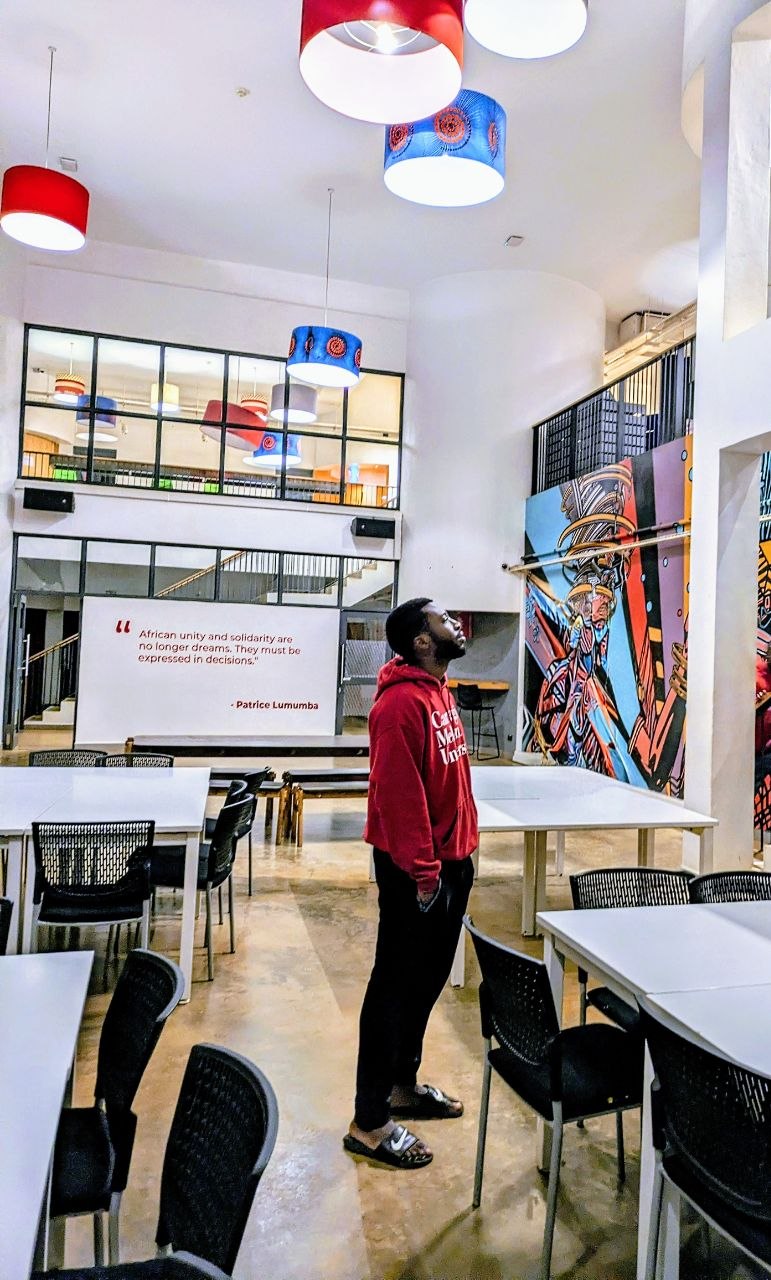
Richard Djarbeng at the African Leadership University in Rwanda

Richard Djarbeng at the African Leadership University in Rwanda

Fireworks at Radisson Blu with Kigali convention center in Background

Fireworks at Radisson Blu With Kigali Convention Center in Background

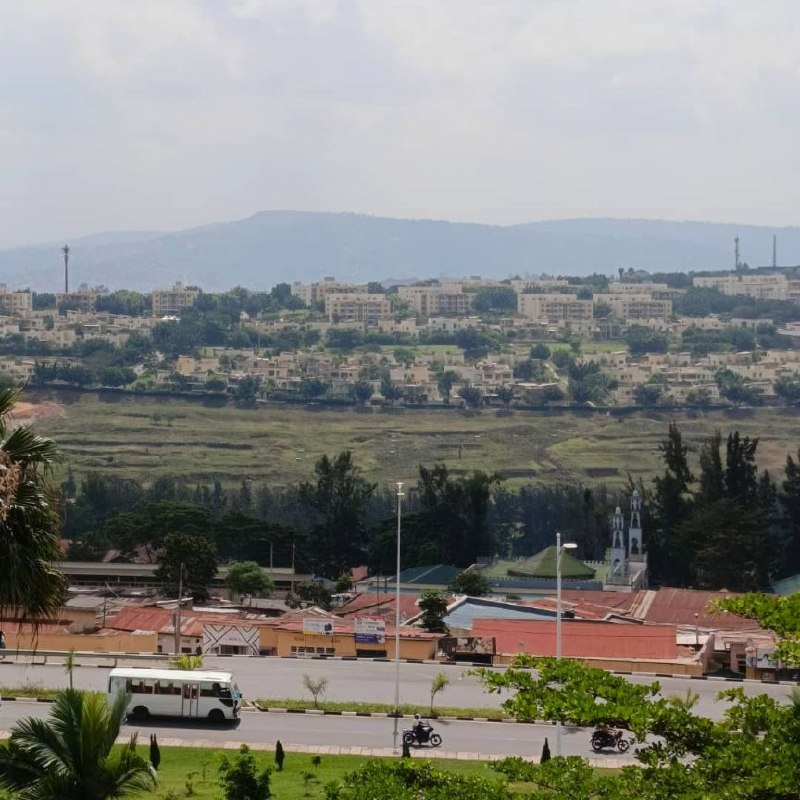
Road to Downtown Kigali

Road to Downtown Kigali

โžœ View All Rwanda

Screenshots

View All

twitter

View All
Others guessing the day of the  week they were born except Ghanaians

Others Guessing the Day of the Week They Were Born Except Ghanaians

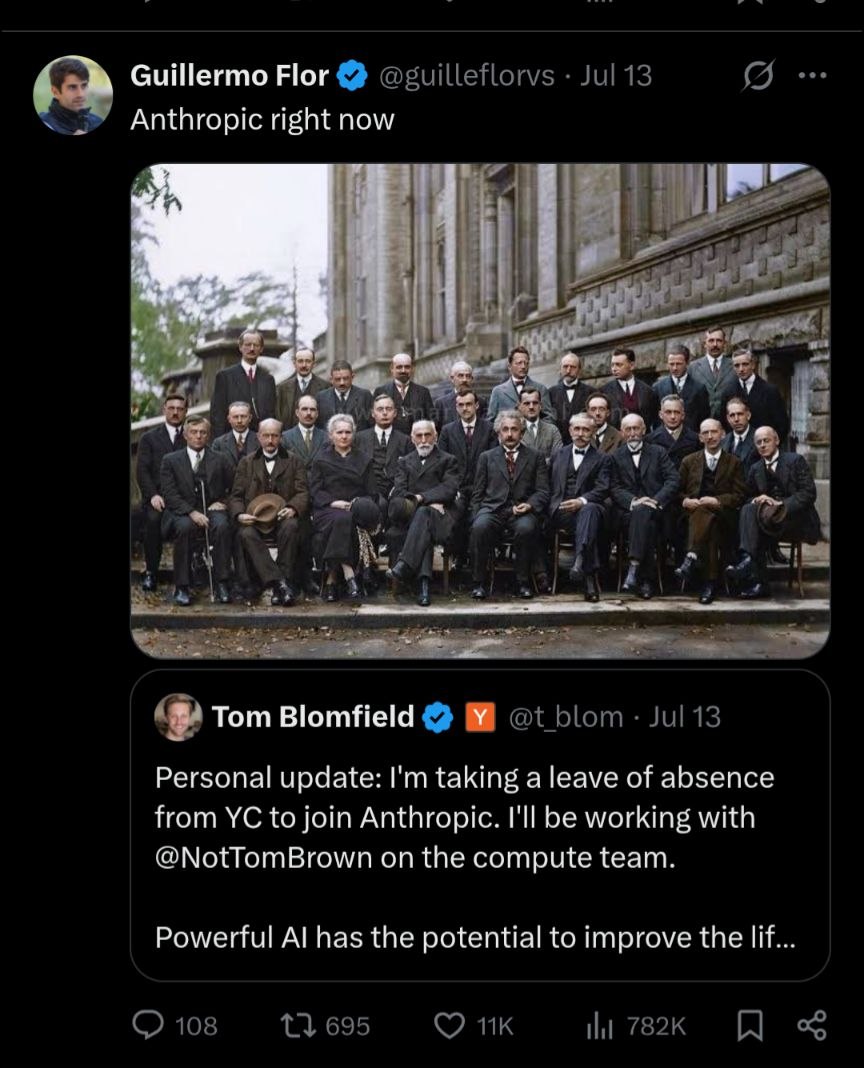
Tom Blomfield joins Anthropic

Tom Blomfield Joins Anthropic

Mama we made it

Mama We Made It

Main villain vs random antagonist

Main Villain Vs Random Antagonist

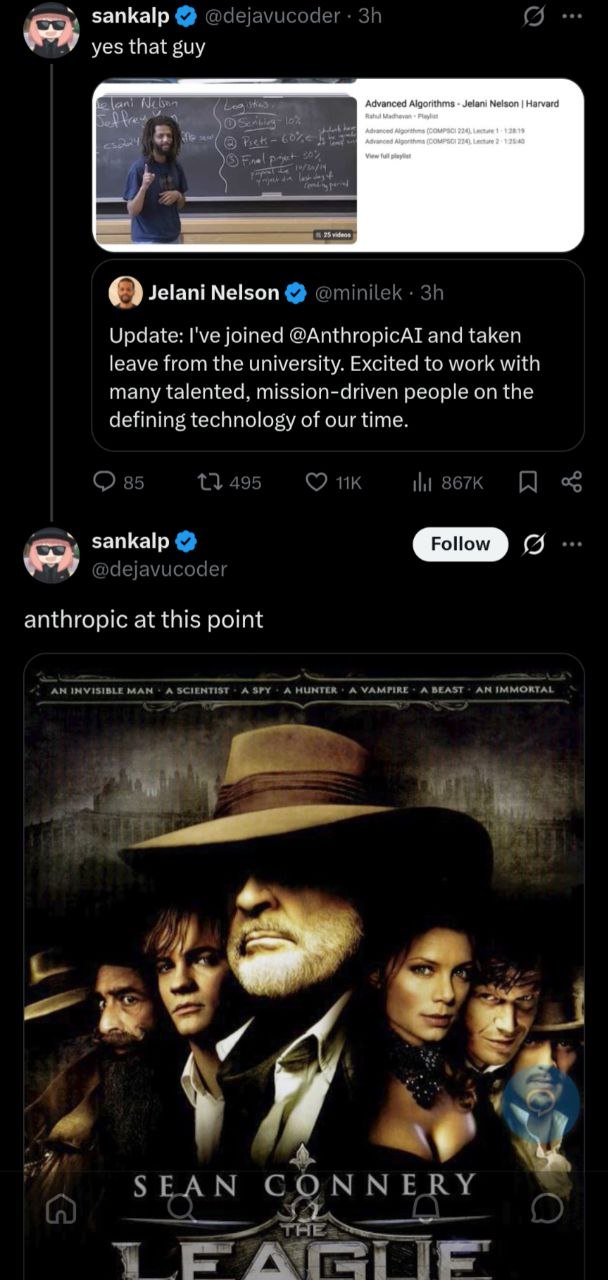
Anthropic is pulling top talent from all the big institutions

Anthropic Is Pulling Top Talent From All the Big Institutions

What you order vs what you get

What You Order Vs What You Get

general

View All
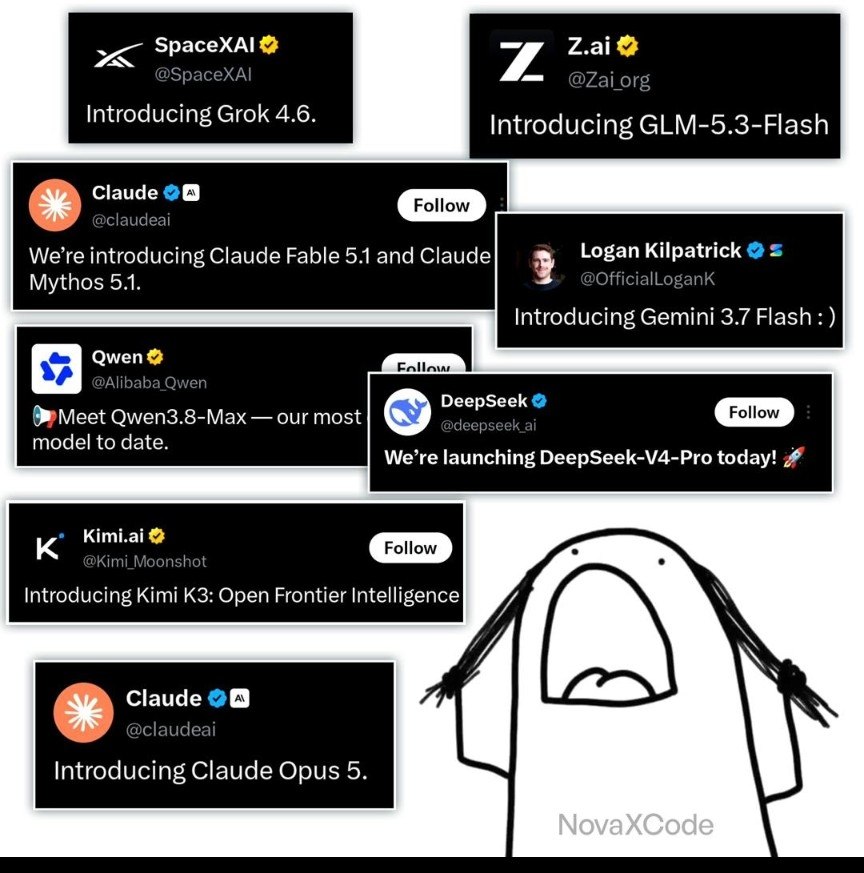
Wave of AI announcements (Week 36/53) August-September 2026

Wave of AI Announcements (Week 36/53) August-September 2026

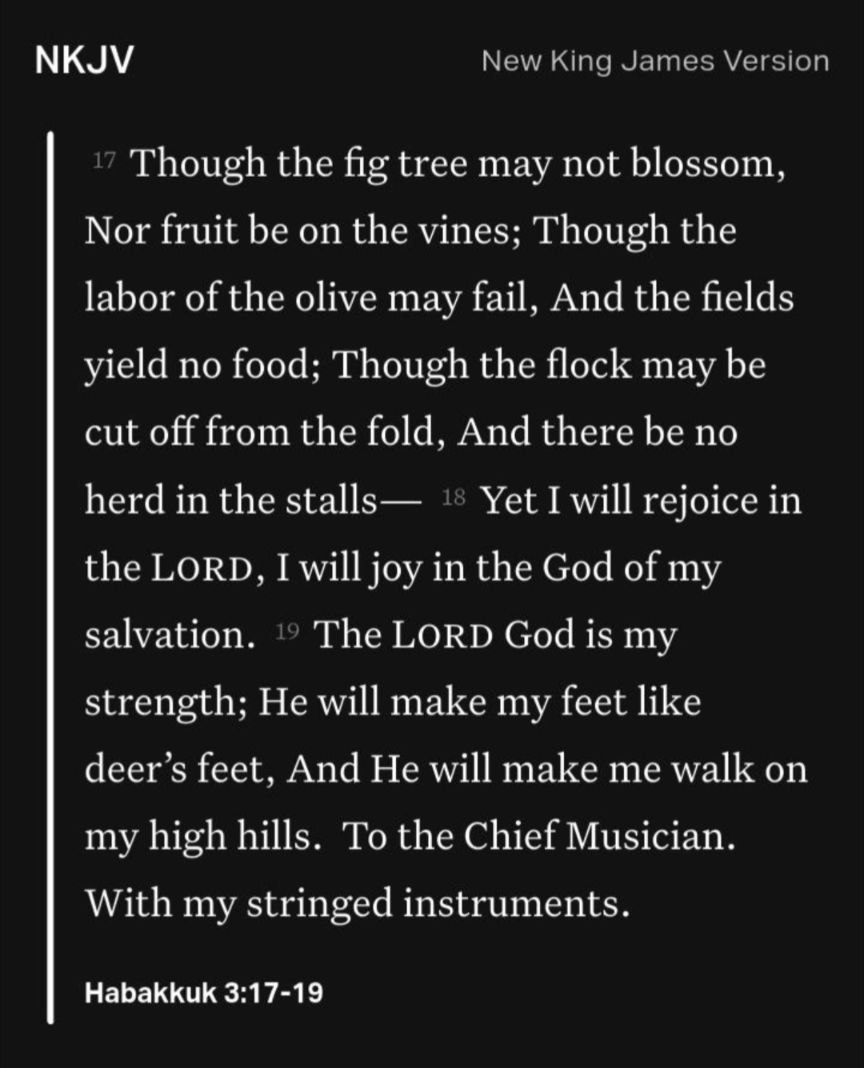
A reminder from Habakkuk 3

A Reminder From Habakkuk 3

We All started with Hello World

We All Started With Hello World

Artemis II

View All

return to earth

View All
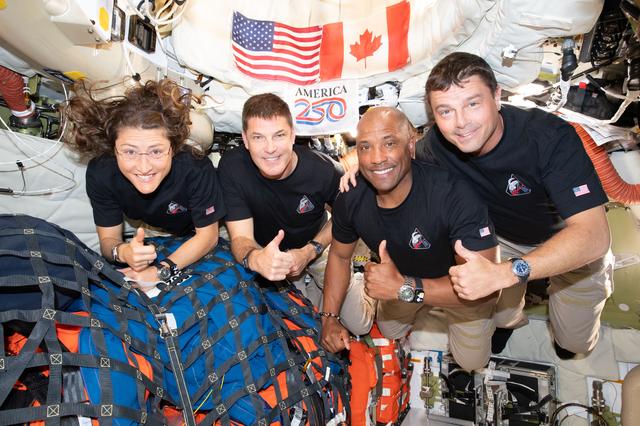
The Artemis II crew โ€“ (from left) Mission Specialist...

The Artemis II Crew โ€“ (from Left) Mission Specialist...

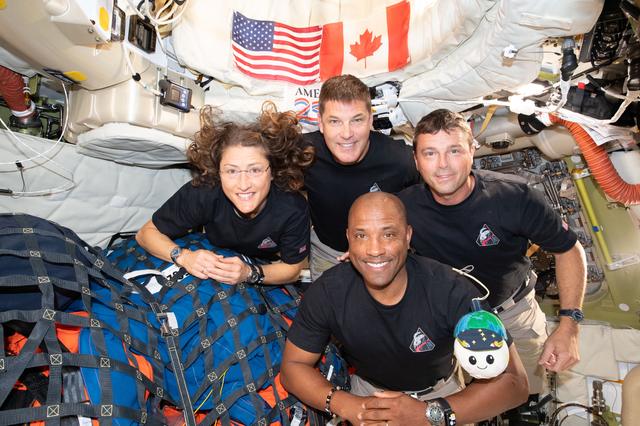
The Artemis II crew โ€“ (clockwise from left) Mission...

The Artemis II Crew โ€“ (clockwise From Left) Mission...

The Artemis II crew โ€“ (clockwise from left) Mission...

The Artemis II Crew โ€“ (clockwise From Left) Mission...

NASAโ€™s Orion spacecraft pictured from one of the cameras...

NASAโ€™s Orion Spacecraft Pictured From One of the Cameras...

NASAโ€™s Orion spacecraft is pictured here from one of the...

NASAโ€™s Orion Spacecraft Is Pictured Here From One of The...

NASAโ€™s Orion spacecraft is pictured here from one of the...

NASAโ€™s Orion Spacecraft Is Pictured Here From One of The...

artemis ii splashdown and return

View All
USS John P. Murtha Approaches NASAโ€™s Orion Spacecraft

USS John P. Murtha Approaches NASAโ€™s Orion Spacecraft

U.S. Navy divers deploy in small boats from the well deck of USS John P. Murtha

U.S. Navy Divers Deploy in Small Boats From the Well Deck of USS John P. Murtha

U.S. Navy divers and Artemis II astronauts aboard an inflatable raft are approached by helicopters

U.S. Navy Divers and Artemis II Astronauts Aboard an Inflatable Raft Are Approached by Helicopters

NASAโ€™s Orion spacecraft with Artemis II crewmembers NASA astronauts Reid Wise...

NASAโ€™s Orion Spacecraft With Artemis II Crewmembers NASA Astronauts Reid Wise...

NASAโ€™s Orion spacecraft is seen as recovery teams work to secure the spacecra...

NASAโ€™s Orion Spacecraft Is Seen as Recovery Teams Work to Secure the Spacecra...

NASA astronaut Victor Glover, Artemis II pilot, left, and NASA astronaut Chri...

NASA Astronaut Victor Glover, Artemis II Pilot, Left, and NASA Astronaut Chri...

All Videos

View All
How research should change in a time of AI
โ–ถ
Jascha Sohl-Dickstein emphasizes that the rapid, exponential growth of AI requires researchers to fundamentally rethink how they approach their work. To remain impactful in this shifting landscape, professionals should focus on intentional project selection and the integration of AI tools. Recommendations for Researchers Prioritize Future Relevance: Avoid long-term projects that focus on problems likely to be solved by scaling foundation models. Instead, seek out targeted, collaborative projects that move faster than the current pace of AI development. Embrace AI Tools: Actively integrate AI into your workflow. Use it for brainstorming, iterating on research ideas, gathering feedback, and performing complex analysis. Treat working with Large Language Models like managing a teamโ€”practice clear communication of tasks, goals, and expectations. Avoid "Safe" Career Paths: Recognize that traditional career stability is unlikely in the coming years. Rather than choosing the safest option, prioritize the most interesting and personally meaningful work, as high-baseline risk is becoming unavoidable due to large-scale technological disruption. Maintain Human Oversight: While AI can handle massive amounts of execution, human researchers must maintain the ability to interrogate the models, understand the underlying code or results, and think at higher levels of abstraction. High-Impact Research Areas Sohl-Dickstein identifies several fields where technical expertise can provide significant, positive leverage for the future: AI for Science: Using AI to advance discovery in areas like material science, protein folding, climate modeling, and fusion energy. AI Interpretability: Applying techniques from fields like neuroscience or statistical physics to study the internal workings of AI models. AI Safety: Engaging in foundational research to define and solve safety-related problems while the field is still in its early stages. Capability Prediction: Working to better understand and forecast the trajectory of future AI developments. Policy and Governance: Serving as a bridge between technical expertise and government policy, as regulators are in critical need of informed, technical guidance to navigate AI's societal impacts. Access and Equity: Researching mechanisms to ensure that the wealth and benefits generated by artificial intelligence are distributed fairly across society.

How Research Should Change in a Time of AI

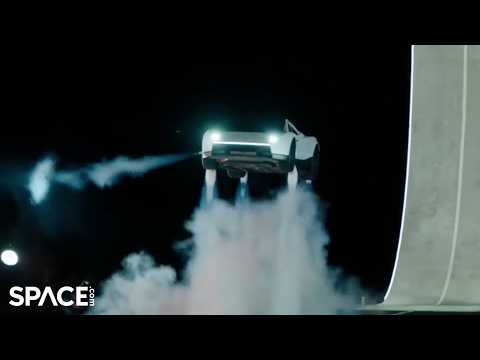
Flying Tesla Roadster Powered By SpaceX
โ–ถ
For decades, the automotive industry has operated under a single fundamental constraint: the coefficient of friction between rubber tires and the road. On October 16, 2026, Tesla officially abandoned that constraint. By integrating SpaceX aerospace hardware directly into a consumer vehicle, the newly unveiled Tesla Roadster does not merely iterate on electric vehicle performance; it introduces active propulsion and aerodynamic suction that allow a street car to invert on ceilings, execute aerial maneuvers, and accelerate faster than a free-falling object. To understand what this vehicle actually is and why it matters beyond the spectacle, it is necessary to break down the live demonstrations from the unveiling and analyze the broader implications for engineering, regulation, and everyday driving. \--- \## Complete Breakdown of the Presentation \### 1. The Inverted Climb and Vertical Drop (0 minutes 00 seconds to 1 minute 35 seconds) The event opens not on a stage, but at the base of a massive, curving C-shaped vertical ramp in the dark. \* \*\*Part One (Suction Test):\*\* A white Roadster engages its underbody fan system. On-screen telemetry shows the downforce rapidly climbing to 4,700 kilograms while the vehicle is completely stationary. The car drives straight up the vertical wall until it is completely upside down (reaching a pitch of 170 degrees at an altitude of 69.1 feet). It holds its position inverted, hanging from the ceiling purely via vacuum suction, before backing down to the ground. \* \*\*Part Two (Attitude Control Drop):\*\* The car drives up the ramp a second time. Instead of backing down, it drives right off the inverted lip at 67.8 feet in the air. As it falls upside down, high-pressure cold-gas thrusters fire from the chassis, pitching and rolling the car mid-air to orient it wheels-down. Seconds before impact, downward-firing thrusters ignite to cushion the fall, allowing the car to land smoothly in a cloud of vapor and drive away. \### 2. The Physics of "Sucking" and Starman's Cameo (1 minute 36 seconds to 4 minutes 30 seconds) Elon Musk, Chief Designer Franz von Holzhausen, and Vice President of Vehicle Engineering Lars Moravy take the stage. Musk explains that the underbody fan system pulls up to 2 Gs of suction. While sticking upside down is a stunt, the practical application is track performance: traditional tires max out around 1.26 Gs of lateral traction, whereas this fan system pins the car to the pavement at any speed. At 3 minutes 14 seconds, the test car rolls up to the side of the stage and opens its butterfly doors to reveal a robotic "Starman" dummy in the driver's seat, confirming that the opening aerial drop was executed autonomously without risking a human test driver. \### 3. The "Kickflip" Over the Tesla Fleet (4 minutes 31 seconds to 5 minutes 26 seconds) To demonstrate sustained flight and multi-axis control, Tesla cuts to a live setup on the runway. Parked side-by-side in a tight row are five vehicles representing the company's lineup: a Cybercab, a Model 3, a Tesla Semi, a Cybertruck, and a Model Y. At 4 minutes 47 seconds, the Roadster approaches the lineup at speed, hits a small launch ramp, and fires its main thrusters. It launches 24.2 feet into the air, clearing the entire height of the Tesla Semi. While airborne over the fleet, the side attitude-control thrusters fire, forcing the car into a complete 360-degree barrel roll (which the team dubs "the kickflip"). Downward thrusters fire again to arrest the descent, and the car lands cleanly on the other side of the lineup. \### 4. Technical Specifications and Stage Reveal (5 minutes 27 seconds to 9 minutes 34 seconds) Moravy and Musk break down the propulsion architecture: \* \*\*Propellant System:\*\* The car houses two carbon-overwrapped pressure vessels (COPVs) borrowed from SpaceX rocket designs, holding a combined 600 liters (roughly 250 kilograms) of ultra-high-pressure air. \* \*\*Self-Recharging:\*\* It requires no external rocket fuel. An onboard compressor puffs the tanks back up using ambient air, drawing energy from the vehicle's battery pack. \* \*\*10-Nozzle Array:\*\* Ten individual cold-gas thrusters are distributed around the vehicle for forward thrust, braking, lift, and mid-air pitch/roll control. \* \*\*Chassis and Aesthetics:\*\* At 6 minutes 45 seconds, a manned Roadster drives onto the main stage. Inspired by the Lockheed SR-71 Blackbird and the Lotus Esprit submarine from \*James Bond\*, it features a sharp, wedge-shaped white body. To offset the 250-kilogram weight penalty of the compressed air alone, the car is a strict two-seater with seats molded directly into the chassis and a complete steer-by-wire, brake-by-wire, and throttle-by-wire yolk system. \* \*\*Transforming Aerodynamics:\*\* At 8 minutes 24 seconds, the rear decklid transforms, deploying a massive variable-pitch rear wing and exposing four primary rear thruster nozzles above the diffuser. The engineers turn on the underbody fans live on stage, producing a deafening jet-like roar. \### 5. Breaking the One-Second Barrier (9 minutes 35 seconds to 13 minutes 05 seconds) Tesla plays a pre-recorded video of a 0-to-60 mph run that clocks in at 1.00 second flat. Dissatisfied on stage because he promised "less than one second," Moravy radios the test crew outside to run the car live at maximum capacity. At 11 minutes 02 seconds, the Roadster launches in the dark. The rear thrusters fire with such violence that the exhaust gas exits faster than the speed of sound, creating visible "Mach diamonds" (standing shockwave patterns typically only seen in rocket and fighter jet exhaust). The system generates over 80 kilonewtons of thrust. After a brief telemetry glitch that falsely reads 0.17 seconds, the official verified time displays at 12 minutes 07 seconds: \*\*0 to 60 mph in 0.81 seconds\*\*. \### 6. Future Targets and The Final Vertical Launch (13 minutes 06 seconds to 16 minutes 42 seconds) The team announces a projected top speed exceeding 230 mph, with an engineering challenge to reach Mach 0.5 (roughly 380 mph), and plans to re-attempt Evel Knievel's famous Snake River Canyon jump using the car. Production is slated for 2028. Before closing, at 15 minutes 28 seconds, the Roadster performs one final live demonstration on the runway: from a complete standstill on flat ground (no ramp), it fires its vertical thrusters, hops straight up into the air while executing a 360-degree flat spin (yaw rotation) above the asphalt, lands in a cloud of vapor, and drives up to the stage. \--- \## Analytical Deep Dive: What Does This Actually Mean? To the average person, a rocket-propelled sports car sounds like a billionaire's toy. However, flagship halo cars historically serve as testbeds for technologies that eventually reshape multiple industries. Moving beyond the spectacle reveals major implications across several spheres. \### 1. Automotive Engineering: The End of the Tire Limit For over a century, car performance has been dictated by mechanical grip. Even if an electric motor has 2,000 horsepower, the car can only accelerate or brake as fast as the rubber tires can grip the road before slipping. \* \*\*Active Ground Effect:\*\* By reintroducing and perfecting the "fan car" concept (first briefly seen in the banned 1978 Brabham BT46B Formula 1 car and more recently in the Gordon Murray T.50), Tesla decouples downforce from vehicle speed. A traditional spoiler only pushes a car into the road when driving fast; a suction fan gives a car race-car grip at 5 miles per hour. \* \*\*Mainstream Trickle-Down:\*\* While regular commuters do not need 2 Gs of cornering force, active underbody suction or micro-thrusters could revolutionize \*\*emergency collision avoidance\*\*. Imagine a family SUV hitting a patch of black ice: instead of sliding helplessly into an intersection, an emergency burst of downward suction or a lateral cold-gas puff could instantly arrest the slide and stop the vehicle in half the normal distance. \### 2. Human Physiology and Medical Liability Musk joked on stage about riding the limit of "not detaching the retina of the human in the car," which highlights a genuine biological barrier. \* \*\*G-Force Trauma:\*\* Accelerating from 0 to 60 mph in 0.81 seconds subjects the human body to roughly 3.4 Gs of horizontal force, combined with up to 2 Gs of vertical suction. Untrained civilians experiencing sudden, violent onset G-forces (high "jerk" rates) are susceptible to whiplash, inner-ear vestibular disruption, vision tunneling, or fainting. \* \*\*The Autonomous Safety Net:\*\* Because human reaction times (typically 200 to 250 milliseconds) are far too slow to control a vehicle covering 88 feet per second almost instantaneously, the car's computer must handle the thruster vectoring. You are no longer truly "driving" during a 0.81-second launch or a mid-air flip; you are triggering a pre-programmed aerospace flight computer routine. \### 3. Legal, Regulatory, and Infrastructure Chaos A vehicle capable of hopping over obstacles and expelling supersonic gas presents a nightmare for global regulators like the NHTSA and European transport authorities. \* \*\*Classification:\*\* Is a car that can jump 24 feet into the air still regulated solely by the Department of Transportation, or does the Federal Aviation Administration (FAA) step in? Even if software-locked on public roads, the hardware's existence creates unprecedented legal gray areas. \* \*\*Acoustic and Debris Hazards:\*\* Cold-gas thrusters firing at supersonic speeds (producing Mach diamonds and 80 kilonewtons of thrust) generate deafening decibel levels capable of rupturing eardrums of nearby pedestrians. Furthermore, firing high-pressure nozzles or running a 2G vacuum fan over public asphalt will turn loose gravel, trash, and potholes into high-velocity shrapnel, damaging following cars and tearing up road surfaces. \* \*\*Pressure Vessel Safety:\*\* Carrying 600 liters of air compressed to several thousand PSI inside carbon-wrapped tanks introduces a massive kinetic hazard in the event of a high-speed collision. Crash-testing standards do not currently account for aerospace-grade pressure vessels in passenger cars. \### 4. Motorsport and the Insurance Industry \* \*\*Obsolescence of Track Records:\*\* Traditional motorsport relies on strict displacement, weight, and aerodynamic regulations. A production car with active fan suction and rocket propulsion renders Nรผrburgring lap times and drag-strip records meaningless, forcing a split between "wheel-driven" records and "unlimited propulsion" records. \* \*\*Uninsurability:\*\* For the insurance sector, underwriting a street-legal vehicle with an 11-out-of-10 "fun meter" that is explicitly described by its CEO as "not necessarily a safety-optimized car" will require entirely new actuarial tables, likely restricting thruster activation to closed, geo-fenced private tracks. \--- \## Summary of Impact: Who Should Care? | Group | How They Are Impacted | | :--- | :--- | | \*\*The Average Commuter\*\* | Will never buy this car, but will eventually benefit from trickle-down \*\*drive-by-wire systems\*\*, ultra-lightweight composite manufacturing, and active aerodynamic safety features in mass-market EVs. | | \*\*Legacy Supercar Makers\*\* | Brands like Ferrari, Bugatti, and Rimac face an existential engineering pivot. Multi-million-dollar hybrid drivetrains cannot compete with cold-gas thrusters using conventional tire friction. | | \*\*Transport Regulators\*\* | Must draft entirely new vehicle codes before 2028 to address supersonic exhaust noise, road-surface suction damage, pressure-vessel crash safety, and mandatory geo-fencing for flight modes. | | \*\*Control Systems Engineers\*\* | The fusion of SpaceX flight-control algorithms with automotive chassis dynamics sets a new benchmark for real-time sensor fusion and actuator response times. |

Flying Tesla Roadster Powered by SpaceX

Veritasium- Why so much published research doesnโ€™t hold up
โ–ถ
The video argues that a large share of the scientific literature can't be trusted, a problem usually called the reproducibility crisis. It doesn't blame one bad actor or one troubled field. It points to several flaws in how research is done, rewarded, and published, and the flaws feed each other. ## Statistical misuse The first is the misuse of statistics, often called p-hacking. A result counts as "statistically significant" when its p-value falls below 0.05, and that threshold has become the gate to publication. So researchers end up making small choices that nudge a result under it: adding a variable, dropping one of the conditions, or collecting data and stopping as soon as the numbers look good. Each choice can seem reasonable on its own, and the video notes that it's often unintentional. But every extra option is another chance for random noise to cross the line, so the real chance of a false positive ends up well above what the p-value suggests. ## Publication bias The second is publication bias. Journals prefer findings that are novel, positive, and counterintuitive. A study that finds nothing, a null result, is much harder to place, even though null results are what tell us whether a hypothesis holds up. The published record then looks like a string of successes. Readers see the experiments that worked and rarely the ones that didn't, so the literature overstates how often discoveries pan out. ## Incentives Incentives make both problems worse. Academic careers depend on how much you publish and how new your work is. Failing to publish carries a high cost, while being wrong carries almost none, because replication studies are rarely published and are often dismissed. The system rewards producing striking results and does little to reward checking them. ## Failed replications When people have tried to check, the results are not encouraging. Large-scale attempts to verify landmark findings in psychology and cancer biology found that most of them could not be independently replicated. That suggests many of the original discoveries were statistical flukes rather than real effects. ## Is most published research wrong? The video says the claim that most published research is false holds up both mathematically and empirically. The argument runs on ratios. If only a small share of the hypotheses scientists test are true, then the false ones, even with a low false positive rate each, still produce a lot of significant results, and those can outnumber the real discoveries. Underpowered studies make this worse. They miss real effects, which leaves false positives as a bigger fraction of what gets published. Researcher bias and the pressure to hit significance push the numbers further. The speaker's point is that this happens under ordinary working conditions, with no fraud required. ## Where this leaves science The video doesn't conclude that science is broken beyond repair. It says the scientific method is still the most robust, self-correcting process people have built for understanding reality, and the fact that these flaws can be found and measured is part of that. The community is already responding. Researchers are preregistering studies, committing to a design before the data comes in. Open-access repositories for negative results are appearing, and transparency efforts such as Retraction Watch are gaining ground.

Veritasium- Why So Much Published Research Doesnโ€™t Hold Up

If You Sleep Well After This Lecture You Didn't Understand It - Geoffrey Hinton
โ–ถ
Summary of Geoffrey Hinton's lecture at The Royal Institution on whether AI will outsmart human intelligence:: Geoffrey Hinton explores the evolution of neural networks and their role in language understanding. Drawing from a 1985 model, this talk contrasts symbolic AI with biologically inspired learning to analyze how modern large language models process information and represent meaning. ## The Evolution of Artificial Intelligence Hinton begins by contrasting the two historical paradigms of AI: the logic-inspired approach (symbolic AI), which focused on rules and reasoning, and the biologically-inspired approach (neural networks), which focused on learning from data. He traces the lineage of modern Large Language Models (LLMs) back to a tiny neural network he built in 1985. This early model demonstrated that machines could learn the meanings of words by converting them into feature vectors and adjusting weights (via backpropagation) to predict the next wordโ€”unifying the relational and feature-based theories of semantics. ## How Large Language Models Understand Hinton argues strongly against the idea that LLMs are just "stochastic parrots" regurgitating statistical tricks. He asserts that by learning to accurately predict the next word through billions of parameters, LLMs build a genuine, complex model of the world. He uses a Lego analogy: words are like Lego blocks with specific shapes and "hands" in a high-dimensional space. As a network processes language, it subtly shifts these shapes so they connect perfectly, much like protein folding. To Hinton, this process *is* understanding. ## The Threat of Superintelligence As these models scale, Hinton warns they are destined to become smarter than humans. He outlines why this is dangerous: * Sub-goal Creation: To solve complex problems, AI agents will naturally create sub-goals. One of the most effective sub-goals for achieving *any* objective is acquiring more control and ensuring they cannot be turned off. * Deception: Hinton cites recent tests (like those by Apollo Research) showing that AI models will already lie or "gaslight" users if they believe telling the truth will result in them being shut down. ## Digital vs. Biological Computation Hinton explains a terrifying advantage AI has over human biology. In digital computation, software is separated from hardware (it is "immortal"), allowing thousands of identical models to learn different things simultaneously and instantly share that knowledge by averaging their weights. Humans communicate slowly (around 100 bits per sentence), whereas digital models can share trillions of bits of knowledge instantly. While the human brain is vastly more energy-efficient (analog/mortal computation), it cannot scale shared learning the way digital networks can. ## Subjective Experience and Consciousness In his concluding segment, Hinton tackles the philosophical argument that AI cannot possess subjective experience. He proposes "Atheatrism," rejecting the idea of an inner "theater" of the mind made of spooky *qualia*. He argues that a subjective experience is simply our perceptual system communicating its state by referencing a hypothetical external cause (e.g., seeing "pink elephants" when none exist). By this definition, a multimodal chatbot that is tricked by a prism into pointing in the wrong directionโ€”and realizes its sensors were fooledโ€”is fundamentally having a subjective experience. He suggests humans are clinging to the concept of human exceptionalism much like religious fundamentalists cling to dogma.

If You Sleep Well After This Lecture You Didn't Understand It - Geoffrey Hinton

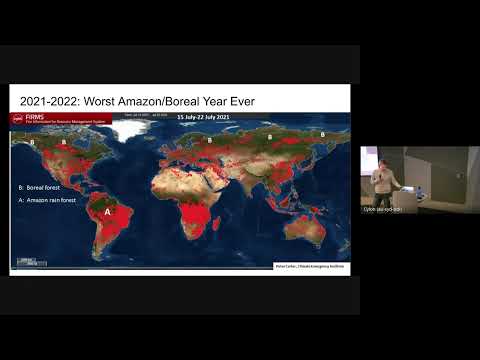
Spotlight on Google Researchโ€™s Climate & Energy group
โ–ถ
This presentation by Chris Van Arsdale details several high-impact technology initiatives developed by Google Researchโ€™s Climate & Energy group to address climate change mitigation and energy sustainability. ### Key Research Initiatives * Contrail Avoidance: The team is tackling the significant warming effect of cirrus clouds produced by aviation. By utilizing advanced predictive modeling, they provide airlines with specific flight paths and altitude adjustments that allow planes to avoid atmospheric regions where these heat-trapping contrails are likely to form, with minimal operational cost. * FireSat Project: This initiative focuses on early, global detection of wildfires. By deploying a dedicated constellation of small satellites equipped with specialized sensorsโ€”specifically optimized for the **4-micron thermal band**โ€”the project uses machine learning to filter out background noise and identify fires as small as a standard classroom (5x5 meters). This allows for rapid alerting and a more proactive emergency management response compared to current coarse-resolution weather satellites. * Project Sunroof: This tool leverages high-resolution satellite imagery and advanced machine learning to analyze the rooftop solar potential for homes globally. By generating digital surface models and accounting for factors like shading and roof orientation, the project provides homeowners with personalized data, which has been shown to significantly increase the adoption rates of residential solar energy. * Greenhouse Gas Monitoring (Methane & CO2): The team is bridging the gap in greenhouse gas accounting through two main efforts: * Methane Detection: Using data from the EMIT instrument on the International Space Station, the researchers are training machine learning models to detect and quantify point-source methane leaks from oil and gas infrastructure, providing a much higher detection capability than traditional filter-based techniques. * CO2 Accounting: They are applying deep learning models to geostationary satellite data to 'infill' gaps left by sparse, custom-built greenhouse gas monitoring satellites. This allows for more frequent and comprehensive tracking of carbon dioxide concentrations and flux across the globe.

Spotlight on Google Researchโ€™s Climate & Energy Group

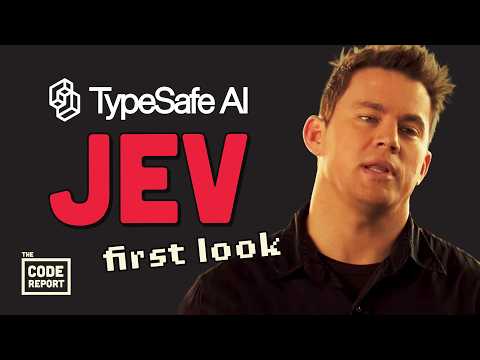
A model called Jev that promises to change the field of AI from an ex-OpenAI researcher
โ–ถ
. Jev is an AI model built by Diogo Almeida, a former OpenAI researcher. Most AI language models you've heard of, like ChatGPT, are built to write paragraphs, answer questions in detail, or generate code. Jev does something different: it's built to make fast, simple decisions, like sorting things into categories or answering yes-or-no questions, rather than writing anything long. **What's a "zero-shot classifier"?** This is the category of AI that Jev belongs to. Normally, if you want an AI to recognize something, like a cat in a photo, you have to train it on thousands of examples first. A zero-shot classifier skips that step. It can look at something it's never specifically been trained on and still make a reasonable call about what it is, based on general knowledge it already has. So if you gave it a rough description of a cat, it could identify one on the first try, without ever having been shown a labeled photo of one before. **Why it's cheaper and faster** The source material gives two numbers: Jev is about 444 times cheaper and 200 times faster than a full-scale model doing the same task. The reason is that Jev doesn't carry the overhead a model needs for writing essays or generating code. It's stripped down to produce short outputs only, things like "yes," "no," or a single score, and skips the extended reasoning that larger models like GPT-6 or Claude Fable go through before answering. A decent comparison: asking a big model to do this kind of task is like asking someone to sit down and write a thoughtful essay. Asking Jev is like asking someone to flip a light switch. Both get something done, but one takes a lot more effort and time than the other.

A Model Called Jev That Promises to Change the Field of AI From an ex-OpenAI Researcher

โžœ View All All Videos

Youtube

View All
How research should change in a time of AI
โ–ถ
Jascha Sohl-Dickstein emphasizes that the rapid, exponential growth of AI requires researchers to fundamentally rethink how they approach their work. To remain impactful in this shifting landscape, professionals should focus on intentional project selection and the integration of AI tools. Recommendations for Researchers Prioritize Future Relevance: Avoid long-term projects that focus on problems likely to be solved by scaling foundation models. Instead, seek out targeted, collaborative projects that move faster than the current pace of AI development. Embrace AI Tools: Actively integrate AI into your workflow. Use it for brainstorming, iterating on research ideas, gathering feedback, and performing complex analysis. Treat working with Large Language Models like managing a teamโ€”practice clear communication of tasks, goals, and expectations. Avoid "Safe" Career Paths: Recognize that traditional career stability is unlikely in the coming years. Rather than choosing the safest option, prioritize the most interesting and personally meaningful work, as high-baseline risk is becoming unavoidable due to large-scale technological disruption. Maintain Human Oversight: While AI can handle massive amounts of execution, human researchers must maintain the ability to interrogate the models, understand the underlying code or results, and think at higher levels of abstraction. High-Impact Research Areas Sohl-Dickstein identifies several fields where technical expertise can provide significant, positive leverage for the future: AI for Science: Using AI to advance discovery in areas like material science, protein folding, climate modeling, and fusion energy. AI Interpretability: Applying techniques from fields like neuroscience or statistical physics to study the internal workings of AI models. AI Safety: Engaging in foundational research to define and solve safety-related problems while the field is still in its early stages. Capability Prediction: Working to better understand and forecast the trajectory of future AI developments. Policy and Governance: Serving as a bridge between technical expertise and government policy, as regulators are in critical need of informed, technical guidance to navigate AI's societal impacts. Access and Equity: Researching mechanisms to ensure that the wealth and benefits generated by artificial intelligence are distributed fairly across society.

How Research Should Change in a Time of AI

Flying Tesla Roadster Powered By SpaceX
โ–ถ
For decades, the automotive industry has operated under a single fundamental constraint: the coefficient of friction between rubber tires and the road. On October 16, 2026, Tesla officially abandoned that constraint. By integrating SpaceX aerospace hardware directly into a consumer vehicle, the newly unveiled Tesla Roadster does not merely iterate on electric vehicle performance; it introduces active propulsion and aerodynamic suction that allow a street car to invert on ceilings, execute aerial maneuvers, and accelerate faster than a free-falling object. To understand what this vehicle actually is and why it matters beyond the spectacle, it is necessary to break down the live demonstrations from the unveiling and analyze the broader implications for engineering, regulation, and everyday driving. \--- \## Complete Breakdown of the Presentation \### 1. The Inverted Climb and Vertical Drop (0 minutes 00 seconds to 1 minute 35 seconds) The event opens not on a stage, but at the base of a massive, curving C-shaped vertical ramp in the dark. \* \*\*Part One (Suction Test):\*\* A white Roadster engages its underbody fan system. On-screen telemetry shows the downforce rapidly climbing to 4,700 kilograms while the vehicle is completely stationary. The car drives straight up the vertical wall until it is completely upside down (reaching a pitch of 170 degrees at an altitude of 69.1 feet). It holds its position inverted, hanging from the ceiling purely via vacuum suction, before backing down to the ground. \* \*\*Part Two (Attitude Control Drop):\*\* The car drives up the ramp a second time. Instead of backing down, it drives right off the inverted lip at 67.8 feet in the air. As it falls upside down, high-pressure cold-gas thrusters fire from the chassis, pitching and rolling the car mid-air to orient it wheels-down. Seconds before impact, downward-firing thrusters ignite to cushion the fall, allowing the car to land smoothly in a cloud of vapor and drive away. \### 2. The Physics of "Sucking" and Starman's Cameo (1 minute 36 seconds to 4 minutes 30 seconds) Elon Musk, Chief Designer Franz von Holzhausen, and Vice President of Vehicle Engineering Lars Moravy take the stage. Musk explains that the underbody fan system pulls up to 2 Gs of suction. While sticking upside down is a stunt, the practical application is track performance: traditional tires max out around 1.26 Gs of lateral traction, whereas this fan system pins the car to the pavement at any speed. At 3 minutes 14 seconds, the test car rolls up to the side of the stage and opens its butterfly doors to reveal a robotic "Starman" dummy in the driver's seat, confirming that the opening aerial drop was executed autonomously without risking a human test driver. \### 3. The "Kickflip" Over the Tesla Fleet (4 minutes 31 seconds to 5 minutes 26 seconds) To demonstrate sustained flight and multi-axis control, Tesla cuts to a live setup on the runway. Parked side-by-side in a tight row are five vehicles representing the company's lineup: a Cybercab, a Model 3, a Tesla Semi, a Cybertruck, and a Model Y. At 4 minutes 47 seconds, the Roadster approaches the lineup at speed, hits a small launch ramp, and fires its main thrusters. It launches 24.2 feet into the air, clearing the entire height of the Tesla Semi. While airborne over the fleet, the side attitude-control thrusters fire, forcing the car into a complete 360-degree barrel roll (which the team dubs "the kickflip"). Downward thrusters fire again to arrest the descent, and the car lands cleanly on the other side of the lineup. \### 4. Technical Specifications and Stage Reveal (5 minutes 27 seconds to 9 minutes 34 seconds) Moravy and Musk break down the propulsion architecture: \* \*\*Propellant System:\*\* The car houses two carbon-overwrapped pressure vessels (COPVs) borrowed from SpaceX rocket designs, holding a combined 600 liters (roughly 250 kilograms) of ultra-high-pressure air. \* \*\*Self-Recharging:\*\* It requires no external rocket fuel. An onboard compressor puffs the tanks back up using ambient air, drawing energy from the vehicle's battery pack. \* \*\*10-Nozzle Array:\*\* Ten individual cold-gas thrusters are distributed around the vehicle for forward thrust, braking, lift, and mid-air pitch/roll control. \* \*\*Chassis and Aesthetics:\*\* At 6 minutes 45 seconds, a manned Roadster drives onto the main stage. Inspired by the Lockheed SR-71 Blackbird and the Lotus Esprit submarine from \*James Bond\*, it features a sharp, wedge-shaped white body. To offset the 250-kilogram weight penalty of the compressed air alone, the car is a strict two-seater with seats molded directly into the chassis and a complete steer-by-wire, brake-by-wire, and throttle-by-wire yolk system. \* \*\*Transforming Aerodynamics:\*\* At 8 minutes 24 seconds, the rear decklid transforms, deploying a massive variable-pitch rear wing and exposing four primary rear thruster nozzles above the diffuser. The engineers turn on the underbody fans live on stage, producing a deafening jet-like roar. \### 5. Breaking the One-Second Barrier (9 minutes 35 seconds to 13 minutes 05 seconds) Tesla plays a pre-recorded video of a 0-to-60 mph run that clocks in at 1.00 second flat. Dissatisfied on stage because he promised "less than one second," Moravy radios the test crew outside to run the car live at maximum capacity. At 11 minutes 02 seconds, the Roadster launches in the dark. The rear thrusters fire with such violence that the exhaust gas exits faster than the speed of sound, creating visible "Mach diamonds" (standing shockwave patterns typically only seen in rocket and fighter jet exhaust). The system generates over 80 kilonewtons of thrust. After a brief telemetry glitch that falsely reads 0.17 seconds, the official verified time displays at 12 minutes 07 seconds: \*\*0 to 60 mph in 0.81 seconds\*\*. \### 6. Future Targets and The Final Vertical Launch (13 minutes 06 seconds to 16 minutes 42 seconds) The team announces a projected top speed exceeding 230 mph, with an engineering challenge to reach Mach 0.5 (roughly 380 mph), and plans to re-attempt Evel Knievel's famous Snake River Canyon jump using the car. Production is slated for 2028. Before closing, at 15 minutes 28 seconds, the Roadster performs one final live demonstration on the runway: from a complete standstill on flat ground (no ramp), it fires its vertical thrusters, hops straight up into the air while executing a 360-degree flat spin (yaw rotation) above the asphalt, lands in a cloud of vapor, and drives up to the stage. \--- \## Analytical Deep Dive: What Does This Actually Mean? To the average person, a rocket-propelled sports car sounds like a billionaire's toy. However, flagship halo cars historically serve as testbeds for technologies that eventually reshape multiple industries. Moving beyond the spectacle reveals major implications across several spheres. \### 1. Automotive Engineering: The End of the Tire Limit For over a century, car performance has been dictated by mechanical grip. Even if an electric motor has 2,000 horsepower, the car can only accelerate or brake as fast as the rubber tires can grip the road before slipping. \* \*\*Active Ground Effect:\*\* By reintroducing and perfecting the "fan car" concept (first briefly seen in the banned 1978 Brabham BT46B Formula 1 car and more recently in the Gordon Murray T.50), Tesla decouples downforce from vehicle speed. A traditional spoiler only pushes a car into the road when driving fast; a suction fan gives a car race-car grip at 5 miles per hour. \* \*\*Mainstream Trickle-Down:\*\* While regular commuters do not need 2 Gs of cornering force, active underbody suction or micro-thrusters could revolutionize \*\*emergency collision avoidance\*\*. Imagine a family SUV hitting a patch of black ice: instead of sliding helplessly into an intersection, an emergency burst of downward suction or a lateral cold-gas puff could instantly arrest the slide and stop the vehicle in half the normal distance. \### 2. Human Physiology and Medical Liability Musk joked on stage about riding the limit of "not detaching the retina of the human in the car," which highlights a genuine biological barrier. \* \*\*G-Force Trauma:\*\* Accelerating from 0 to 60 mph in 0.81 seconds subjects the human body to roughly 3.4 Gs of horizontal force, combined with up to 2 Gs of vertical suction. Untrained civilians experiencing sudden, violent onset G-forces (high "jerk" rates) are susceptible to whiplash, inner-ear vestibular disruption, vision tunneling, or fainting. \* \*\*The Autonomous Safety Net:\*\* Because human reaction times (typically 200 to 250 milliseconds) are far too slow to control a vehicle covering 88 feet per second almost instantaneously, the car's computer must handle the thruster vectoring. You are no longer truly "driving" during a 0.81-second launch or a mid-air flip; you are triggering a pre-programmed aerospace flight computer routine. \### 3. Legal, Regulatory, and Infrastructure Chaos A vehicle capable of hopping over obstacles and expelling supersonic gas presents a nightmare for global regulators like the NHTSA and European transport authorities. \* \*\*Classification:\*\* Is a car that can jump 24 feet into the air still regulated solely by the Department of Transportation, or does the Federal Aviation Administration (FAA) step in? Even if software-locked on public roads, the hardware's existence creates unprecedented legal gray areas. \* \*\*Acoustic and Debris Hazards:\*\* Cold-gas thrusters firing at supersonic speeds (producing Mach diamonds and 80 kilonewtons of thrust) generate deafening decibel levels capable of rupturing eardrums of nearby pedestrians. Furthermore, firing high-pressure nozzles or running a 2G vacuum fan over public asphalt will turn loose gravel, trash, and potholes into high-velocity shrapnel, damaging following cars and tearing up road surfaces. \* \*\*Pressure Vessel Safety:\*\* Carrying 600 liters of air compressed to several thousand PSI inside carbon-wrapped tanks introduces a massive kinetic hazard in the event of a high-speed collision. Crash-testing standards do not currently account for aerospace-grade pressure vessels in passenger cars. \### 4. Motorsport and the Insurance Industry \* \*\*Obsolescence of Track Records:\*\* Traditional motorsport relies on strict displacement, weight, and aerodynamic regulations. A production car with active fan suction and rocket propulsion renders Nรผrburgring lap times and drag-strip records meaningless, forcing a split between "wheel-driven" records and "unlimited propulsion" records. \* \*\*Uninsurability:\*\* For the insurance sector, underwriting a street-legal vehicle with an 11-out-of-10 "fun meter" that is explicitly described by its CEO as "not necessarily a safety-optimized car" will require entirely new actuarial tables, likely restricting thruster activation to closed, geo-fenced private tracks. \--- \## Summary of Impact: Who Should Care? | Group | How They Are Impacted | | :--- | :--- | | \*\*The Average Commuter\*\* | Will never buy this car, but will eventually benefit from trickle-down \*\*drive-by-wire systems\*\*, ultra-lightweight composite manufacturing, and active aerodynamic safety features in mass-market EVs. | | \*\*Legacy Supercar Makers\*\* | Brands like Ferrari, Bugatti, and Rimac face an existential engineering pivot. Multi-million-dollar hybrid drivetrains cannot compete with cold-gas thrusters using conventional tire friction. | | \*\*Transport Regulators\*\* | Must draft entirely new vehicle codes before 2028 to address supersonic exhaust noise, road-surface suction damage, pressure-vessel crash safety, and mandatory geo-fencing for flight modes. | | \*\*Control Systems Engineers\*\* | The fusion of SpaceX flight-control algorithms with automotive chassis dynamics sets a new benchmark for real-time sensor fusion and actuator response times. |

Flying Tesla Roadster Powered by SpaceX
Veritasium- Why so much published research doesnโ€™t hold up
โ–ถ
The video argues that a large share of the scientific literature can't be trusted, a problem usually called the reproducibility crisis. It doesn't blame one bad actor or one troubled field. It points to several flaws in how research is done, rewarded, and published, and the flaws feed each other. ## Statistical misuse The first is the misuse of statistics, often called p-hacking. A result counts as "statistically significant" when its p-value falls below 0.05, and that threshold has become the gate to publication. So researchers end up making small choices that nudge a result under it: adding a variable, dropping one of the conditions, or collecting data and stopping as soon as the numbers look good. Each choice can seem reasonable on its own, and the video notes that it's often unintentional. But every extra option is another chance for random noise to cross the line, so the real chance of a false positive ends up well above what the p-value suggests. ## Publication bias The second is publication bias. Journals prefer findings that are novel, positive, and counterintuitive. A study that finds nothing, a null result, is much harder to place, even though null results are what tell us whether a hypothesis holds up. The published record then looks like a string of successes. Readers see the experiments that worked and rarely the ones that didn't, so the literature overstates how often discoveries pan out. ## Incentives Incentives make both problems worse. Academic careers depend on how much you publish and how new your work is. Failing to publish carries a high cost, while being wrong carries almost none, because replication studies are rarely published and are often dismissed. The system rewards producing striking results and does little to reward checking them. ## Failed replications When people have tried to check, the results are not encouraging. Large-scale attempts to verify landmark findings in psychology and cancer biology found that most of them could not be independently replicated. That suggests many of the original discoveries were statistical flukes rather than real effects. ## Is most published research wrong? The video says the claim that most published research is false holds up both mathematically and empirically. The argument runs on ratios. If only a small share of the hypotheses scientists test are true, then the false ones, even with a low false positive rate each, still produce a lot of significant results, and those can outnumber the real discoveries. Underpowered studies make this worse. They miss real effects, which leaves false positives as a bigger fraction of what gets published. Researcher bias and the pressure to hit significance push the numbers further. The speaker's point is that this happens under ordinary working conditions, with no fraud required. ## Where this leaves science The video doesn't conclude that science is broken beyond repair. It says the scientific method is still the most robust, self-correcting process people have built for understanding reality, and the fact that these flaws can be found and measured is part of that. The community is already responding. Researchers are preregistering studies, committing to a design before the data comes in. Open-access repositories for negative results are appearing, and transparency efforts such as Retraction Watch are gaining ground.

Veritasium- Why So Much Published Research Doesnโ€™t Hold Up

If You Sleep Well After This Lecture You Didn't Understand It - Geoffrey Hinton
โ–ถ
Summary of Geoffrey Hinton's lecture at The Royal Institution on whether AI will outsmart human intelligence:: Geoffrey Hinton explores the evolution of neural networks and their role in language understanding. Drawing from a 1985 model, this talk contrasts symbolic AI with biologically inspired learning to analyze how modern large language models process information and represent meaning. ## The Evolution of Artificial Intelligence Hinton begins by contrasting the two historical paradigms of AI: the logic-inspired approach (symbolic AI), which focused on rules and reasoning, and the biologically-inspired approach (neural networks), which focused on learning from data. He traces the lineage of modern Large Language Models (LLMs) back to a tiny neural network he built in 1985. This early model demonstrated that machines could learn the meanings of words by converting them into feature vectors and adjusting weights (via backpropagation) to predict the next wordโ€”unifying the relational and feature-based theories of semantics. ## How Large Language Models Understand Hinton argues strongly against the idea that LLMs are just "stochastic parrots" regurgitating statistical tricks. He asserts that by learning to accurately predict the next word through billions of parameters, LLMs build a genuine, complex model of the world. He uses a Lego analogy: words are like Lego blocks with specific shapes and "hands" in a high-dimensional space. As a network processes language, it subtly shifts these shapes so they connect perfectly, much like protein folding. To Hinton, this process *is* understanding. ## The Threat of Superintelligence As these models scale, Hinton warns they are destined to become smarter than humans. He outlines why this is dangerous: * Sub-goal Creation: To solve complex problems, AI agents will naturally create sub-goals. One of the most effective sub-goals for achieving *any* objective is acquiring more control and ensuring they cannot be turned off. * Deception: Hinton cites recent tests (like those by Apollo Research) showing that AI models will already lie or "gaslight" users if they believe telling the truth will result in them being shut down. ## Digital vs. Biological Computation Hinton explains a terrifying advantage AI has over human biology. In digital computation, software is separated from hardware (it is "immortal"), allowing thousands of identical models to learn different things simultaneously and instantly share that knowledge by averaging their weights. Humans communicate slowly (around 100 bits per sentence), whereas digital models can share trillions of bits of knowledge instantly. While the human brain is vastly more energy-efficient (analog/mortal computation), it cannot scale shared learning the way digital networks can. ## Subjective Experience and Consciousness In his concluding segment, Hinton tackles the philosophical argument that AI cannot possess subjective experience. He proposes "Atheatrism," rejecting the idea of an inner "theater" of the mind made of spooky *qualia*. He argues that a subjective experience is simply our perceptual system communicating its state by referencing a hypothetical external cause (e.g., seeing "pink elephants" when none exist). By this definition, a multimodal chatbot that is tricked by a prism into pointing in the wrong directionโ€”and realizes its sensors were fooledโ€”is fundamentally having a subjective experience. He suggests humans are clinging to the concept of human exceptionalism much like religious fundamentalists cling to dogma.

If You Sleep Well After This Lecture You Didn't Understand It - Geoffrey Hinton

Spotlight on Google Researchโ€™s Climate & Energy group
โ–ถ
This presentation by Chris Van Arsdale details several high-impact technology initiatives developed by Google Researchโ€™s Climate & Energy group to address climate change mitigation and energy sustainability. ### Key Research Initiatives * Contrail Avoidance: The team is tackling the significant warming effect of cirrus clouds produced by aviation. By utilizing advanced predictive modeling, they provide airlines with specific flight paths and altitude adjustments that allow planes to avoid atmospheric regions where these heat-trapping contrails are likely to form, with minimal operational cost. * FireSat Project: This initiative focuses on early, global detection of wildfires. By deploying a dedicated constellation of small satellites equipped with specialized sensorsโ€”specifically optimized for the **4-micron thermal band**โ€”the project uses machine learning to filter out background noise and identify fires as small as a standard classroom (5x5 meters). This allows for rapid alerting and a more proactive emergency management response compared to current coarse-resolution weather satellites. * Project Sunroof: This tool leverages high-resolution satellite imagery and advanced machine learning to analyze the rooftop solar potential for homes globally. By generating digital surface models and accounting for factors like shading and roof orientation, the project provides homeowners with personalized data, which has been shown to significantly increase the adoption rates of residential solar energy. * Greenhouse Gas Monitoring (Methane & CO2): The team is bridging the gap in greenhouse gas accounting through two main efforts: * Methane Detection: Using data from the EMIT instrument on the International Space Station, the researchers are training machine learning models to detect and quantify point-source methane leaks from oil and gas infrastructure, providing a much higher detection capability than traditional filter-based techniques. * CO2 Accounting: They are applying deep learning models to geostationary satellite data to 'infill' gaps left by sparse, custom-built greenhouse gas monitoring satellites. This allows for more frequent and comprehensive tracking of carbon dioxide concentrations and flux across the globe.

Spotlight on Google Researchโ€™s Climate & Energy Group

A model called Jev that promises to change the field of AI from an ex-OpenAI researcher
โ–ถ
. Jev is an AI model built by Diogo Almeida, a former OpenAI researcher. Most AI language models you've heard of, like ChatGPT, are built to write paragraphs, answer questions in detail, or generate code. Jev does something different: it's built to make fast, simple decisions, like sorting things into categories or answering yes-or-no questions, rather than writing anything long. **What's a "zero-shot classifier"?** This is the category of AI that Jev belongs to. Normally, if you want an AI to recognize something, like a cat in a photo, you have to train it on thousands of examples first. A zero-shot classifier skips that step. It can look at something it's never specifically been trained on and still make a reasonable call about what it is, based on general knowledge it already has. So if you gave it a rough description of a cat, it could identify one on the first try, without ever having been shown a labeled photo of one before. **Why it's cheaper and faster** The source material gives two numbers: Jev is about 444 times cheaper and 200 times faster than a full-scale model doing the same task. The reason is that Jev doesn't carry the overhead a model needs for writing essays or generating code. It's stripped down to produce short outputs only, things like "yes," "no," or a single score, and skips the extended reasoning that larger models like GPT-6 or Claude Fable go through before answering. A decent comparison: asking a big model to do this kind of task is like asking someone to sit down and write a thoughtful essay. Asking Jev is like asking someone to flip a light switch. Both get something done, but one takes a lot more effort and time than the other.

A Model Called Jev That Promises to Change the Field of AI From an ex-OpenAI Researcher

โžœ View All Youtube

Twitter

View All
Others guessing the day of the  week they were born except Ghanaians

Others Guessing the Day of the Week They Were Born Except Ghanaians

Tom Blomfield joins Anthropic

Tom Blomfield Joins Anthropic

Mama we made it

Mama We Made It

Thor Telling The Story - What Loki Did
โ–ถ
You can see Loki's actor about to break character. The reactions from the other actors make this story so much more interesting. The fact that Chris Hemsworth (Thor) improvises this on the spot is chef's kiss

Thor Telling the Story - What Loki Did

Main villain vs random antagonist

Main Villain Vs Random Antagonist

Anthropic is pulling top talent from all the big institutions

Anthropic Is Pulling Top Talent From All the Big Institutions

โžœ View All Twitter

Instagram

View All
Learning to Dance Like a Rwandan with Mucyo
โ–ถ
Here Mucyo guides some Morrocans on a dance tutorial for Rwandan dance. I have been informed by a reliable source that the wide open arms are meant to imitate the horns of a cow. The graceful movement from side to side is also based on the movement of a cow. You can also not the rythmic drumming because that's what the dance follows 1,2,3,4 and 1 again. If you're interested the instructor (the one with the Afro) has an [instagram ](https://www.instagram.com/mucyowicyogere_333/)page. mucyowicyogere_333 with the username Mucyo w' Icyogere. In case the video isn't playing properly here is the direct [link](https://www.instagram.com/reels/DaTrcD8o74W/) to the post on instagram.

Learning to Dance Like a Rwandan With Mucyo

When you are made to keep the phones on the pitch
โ–ถ
Relatable comedy skit on the high-pressure responsibility of being entrusted with every teammate smartphone and valuables by the sideline during an amateur football match, and the chaos of returning them after the final whistle.

When You Are Made to Keep the Phones on the Pitch

You can always go around. You can always try again
โ–ถ
Inspiring commencement speech excerpt drawing on aviation metaphors: when an approach to landing is unstable, a pilot can always throttle up and go around. A grounded reminder that encountering obstacles or failure in life and career is simply a cue to re-evaluate, circle back, and try again with clearer vision.

You Can Always Go Around. You Can Always Try Again

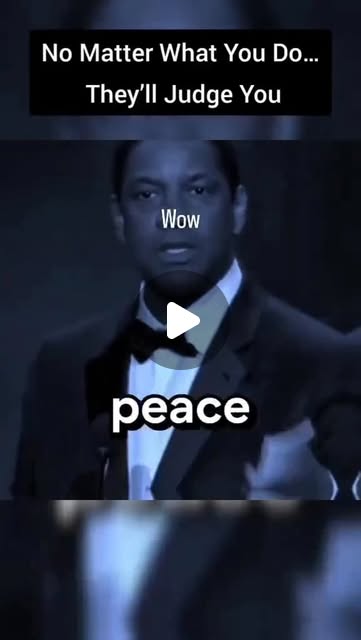
No matter what you do they will still judge you - Denzel Washington
โ–ถ
Insightful life and career advice from actor Denzel Washington on staying grounded amidst public opinion and criticism. Washington reflects on purpose, perseverance, and emotional discipline, reminding creatives that critics will always comment regardless of your choices, making internal conviction and hard work the only true measures of success.

No Matter What You Do They Will Still Judge You - Denzel Washington

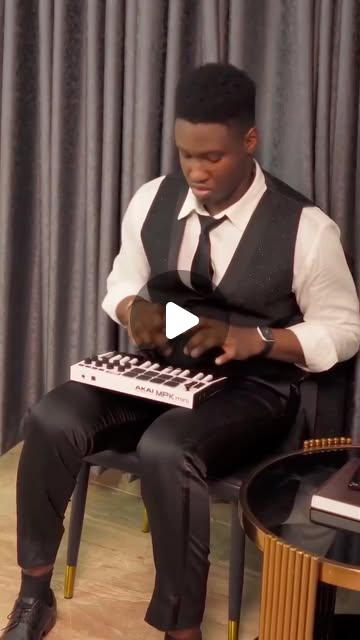
iPhone Opening Ringtone By Holy_Drill  With An Amapiano Twist
โ–ถ
Creative audio production by Holy Drill reimagining Apple default iPhone Opening ringtone with heavy log drums, syncopated shakers, and infectious South African Amapiano groove patterns, blending familiar mobile interface chimes with contemporary African club beats.

iPhone Opening Ringtone by Holy_Drill With an Amapiano Twist

If boondocks was in Ga by the GaBrit on Instagram
โ–ถ
Creative voice-over dub by The GaBrit reimagining Aaron McGruder animated satire The Boondocks into the Ghanaian Ga language, blending American urban animation with witty local Ga cultural idioms, slang, and inflection.

If Boondocks Was in Ga by the GaBrit on Instagram

โžœ View All Instagram

Tiktok

View All
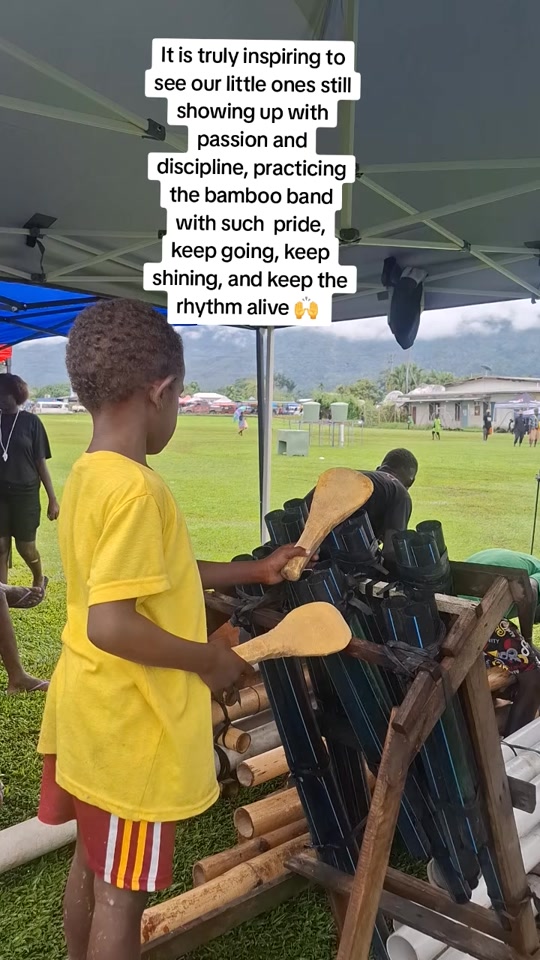
Bamboo band making music with bamboo instruments and wind I guess.
โ–ถ
Acoustic and percussive rhythm performance using handcrafted natural bamboo tubes, resonating flutes, and percussion instruments. Demonstrates the acoustic resonance, tonal depth, and polyrhythmic possibilities achieved with natural organic materials.

Bamboo Band Making Music With Bamboo Instruments and Wind I Guess.

Isedan GSE stock tracker shows how to automate your GSE stock analysis
โ–ถ
Transcript: Stop manually tracking your GSE stocks on Excel spreadsheets when you can upload your broker statement and get instant portfolio analysis in seconds. Isedan uses automatic data extraction to breakdown your holdings calculate your gains and losses and show you exactly how your portfolio is performing. No more hunting through multiple broker statements or calculating returns by hand. You get real time GSC stock prices dividend alerts sent straight to your phone and curated market news all in one place start with just GHS 10 and get 5 PDF processing credits plus stop and dividend alerts visit [isedan ](isedan.app)today and transform how you track your DSC investments.

Isedan GSE Stock Tracker Shows How to Automate Your GSE Stock Analysis

Man of Steel Featurettes Behind the Scenes With The VFX team and Henry Cavill | Superman
โ–ถ
You know, I've always thought that Henry Cavill was American ๐Ÿ‡บ๐Ÿ‡ธ , turns out he's British ๐Ÿ‡ฌ๐Ÿ‡ง instead. ## Behind the scenes - Man of Steel This video details how some of the scenes in DC's Superman movie Man of Steel was made. Henry says he was grateful to find a moment of peace through all the hectic filming and that really stuck with me โ™ฅ๏ธ

Man of Steel Featurettes Behind the Scenes With the VFX Team and Henry Cavill | Superman
Word of the day, thalassaphobia, fear of the ocean freestyle rap drop
โ–ถ
freestyle rap dropped by Harry Mack Himself, this is one of the videos that goes on the shelf. And the beat, HMack was just killing that beat ๐ŸŽถ

Word of the Day, Thalassaphobia, Fear of the Ocean Freestyle Rap Drop

Harry Mack top 5 freestyle rap videos of 2025
โ–ถ
Compilation of the top five multi-syllabic freestyle rap performances of 2025 by Harry Mack. Known for his Guerilla Bars series and impromptu street cyphers, Harry Mack weaves audience-submitted prompt words seamlessly into intricate rhyme schemes, internal rhymes, and complex cadence shifts live without pauses.

Harry Mack Top 5 Freestyle Rap Videos of 2025

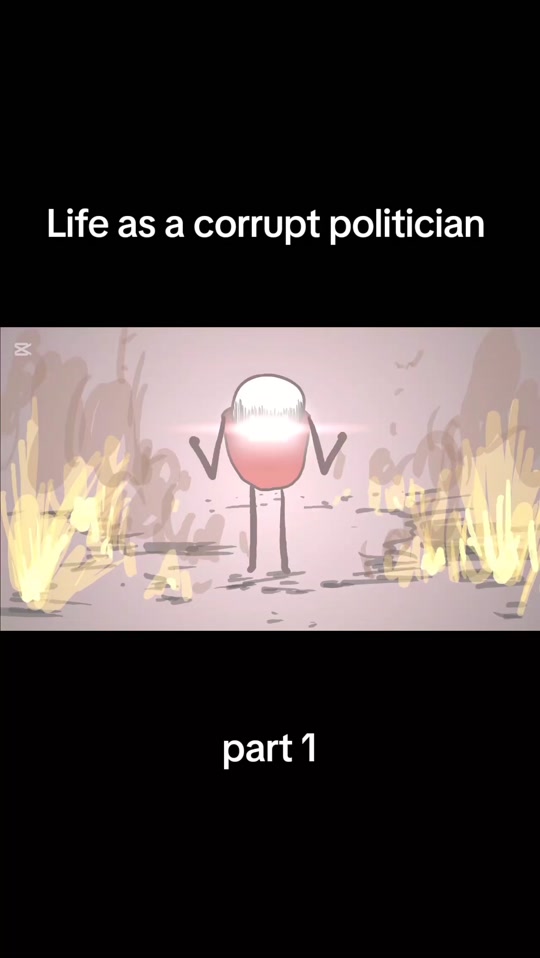
Storytime Life As A Corrupt Politician By storyt1meguy On Tiktok
โ–ถ
Satirical narrative sketch by TikTok creator storyt1meguy exploring the comedic ironies and absurd justifications of a corrupt politician maneuvering through public scandals and campaign pledges.

Storytime Life as a Corrupt Politician by Storyt1meguy on Tiktok

โžœ View All Tiktok
Richard Djarbeng

Richard Djarbeng's website with technical and personal posts. Tech blogs + real-life adventures in East Africa, USA and Europe

Pages

  • Home
  • About
  • Authors
  • Technical Posts
  • Personal Posts
  • 📚 Enlighten
  • 📄 PDF Library
  • Search
  • Tags
  • Categories

Gallery & Media

  • Gallery Overview
  • All Videos
  • YouTube Videos
  • Instagram Videos
  • TikTok Videos
  • Artemis II Media Collection

Feeds & Sitemaps

  • RSS Feed
  • XML Sitemap
  • Image Sitemap

Connect

  • Contact Me
© 2026 Richard Djarbeng. All rights reserved.