Spotlight on Google Research’s Climate & Energy Group
This presentation by Chris Van Arsdale details several high-impact technology initiatives developed by Google Research’s Climate & Energy group to address climate change mitigation and energy sustainability.
Key Research Initiatives
-
Contrail Avoidance: The team is tackling the significant warming effect of cirrus clouds produced by aviation. By utilizing advanced predictive modeling, they provide airlines with specific flight paths and altitude adjustments that allow planes to avoid atmospheric regions where these heat-trapping contrails are likely to form, with minimal operational cost.
-
FireSat Project: This initiative focuses on early, global detection of wildfires. By deploying a dedicated constellation of small satellites equipped with specialized sensors—specifically optimized for the 4-micron thermal band—the project uses machine learning to filter out background noise and identify fires as small as a standard classroom (5x5 meters). This allows for rapid alerting and a more proactive emergency management response compared to current coarse-resolution weather satellites.
-
Project Sunroof: This tool leverages high-resolution satellite imagery and advanced machine learning to analyze the rooftop solar potential for homes globally. By generating digital surface models and accounting for factors like shading and roof orientation, the project provides homeowners with personalized data, which has been shown to significantly increase the adoption rates of residential solar energy.
-
Greenhouse Gas Monitoring (Methane & CO2): The team is bridging the gap in greenhouse gas accounting through two main efforts:
- Methane Detection: Using data from the EMIT instrument on the International Space Station, the researchers are training machine learning models to detect and quantify point-source methane leaks from oil and gas infrastructure, providing a much higher detection capability than traditional filter-based techniques.
- CO2 Accounting: They are applying deep learning models to geostationary satellite data to 'infill' gaps left by sparse, custom-built greenhouse gas monitoring satellites. This allows for more frequent and comprehensive tracking of carbon dioxide concentrations and flux across the globe.
Recommended Further Browsing
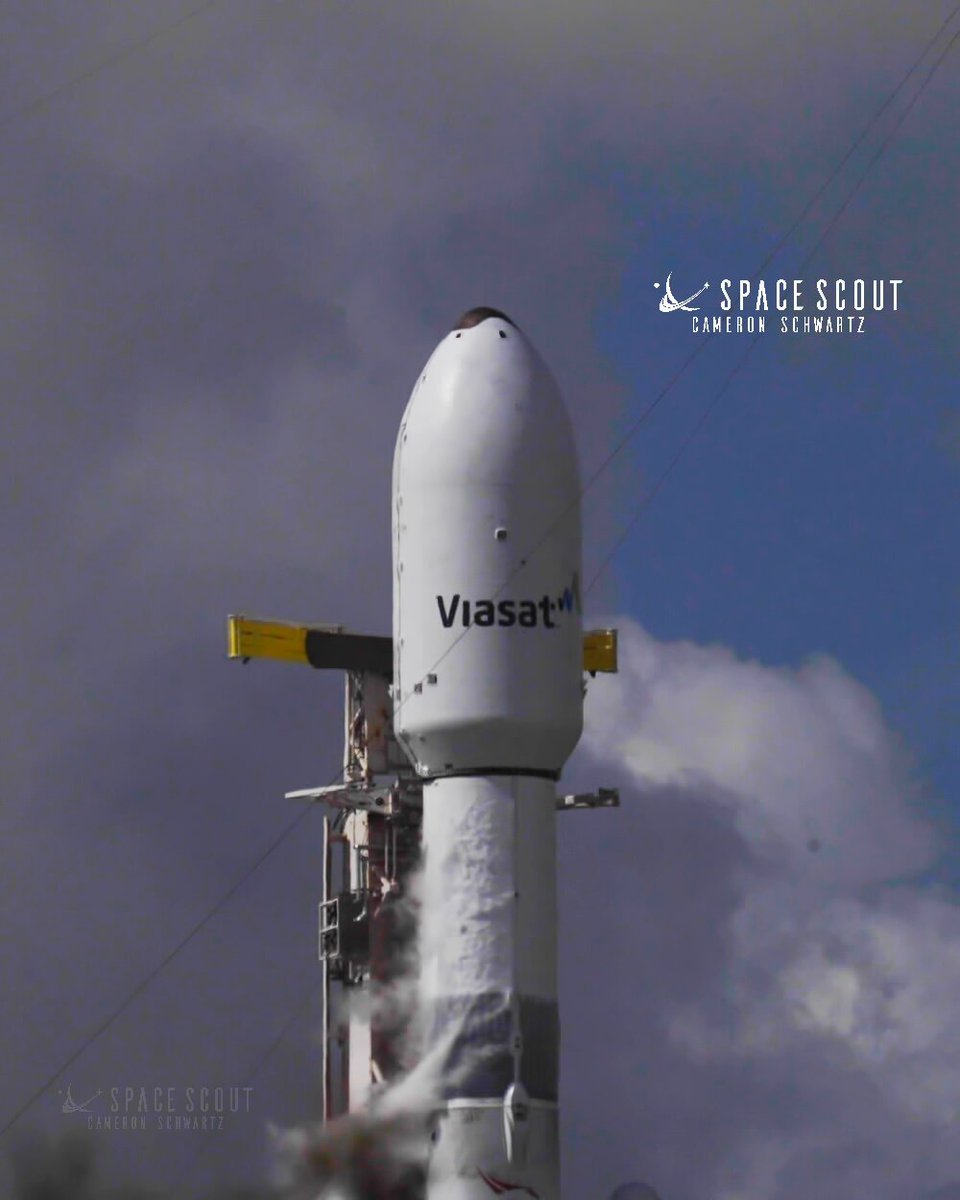
Falcon heavy rocket launch up close from 29th April, 2026 shown on twitter/X
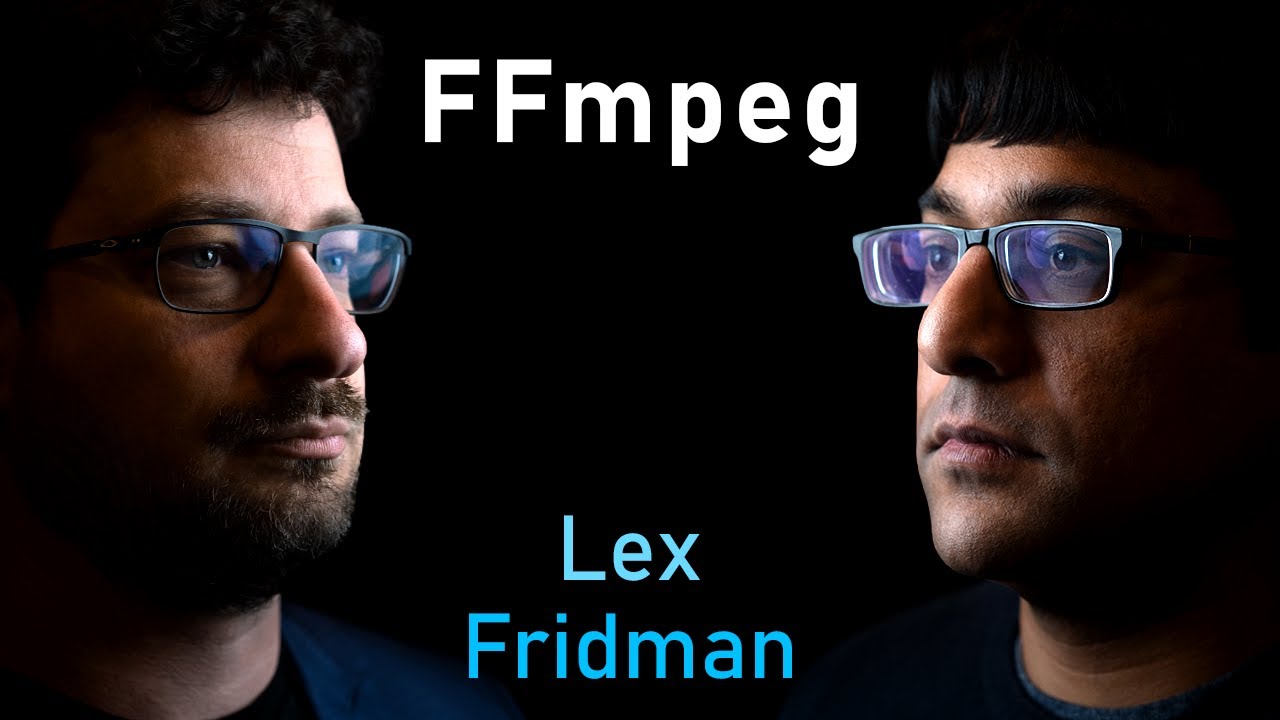
Creator of VLC and FFmpeg on the Lez Fridman podcast
Nobody's gonna know - Kolors Virtual Try-On to Change Outfits With AI