
Half Of A Yellow Sun By Author Chimamanda Ngozi First Look
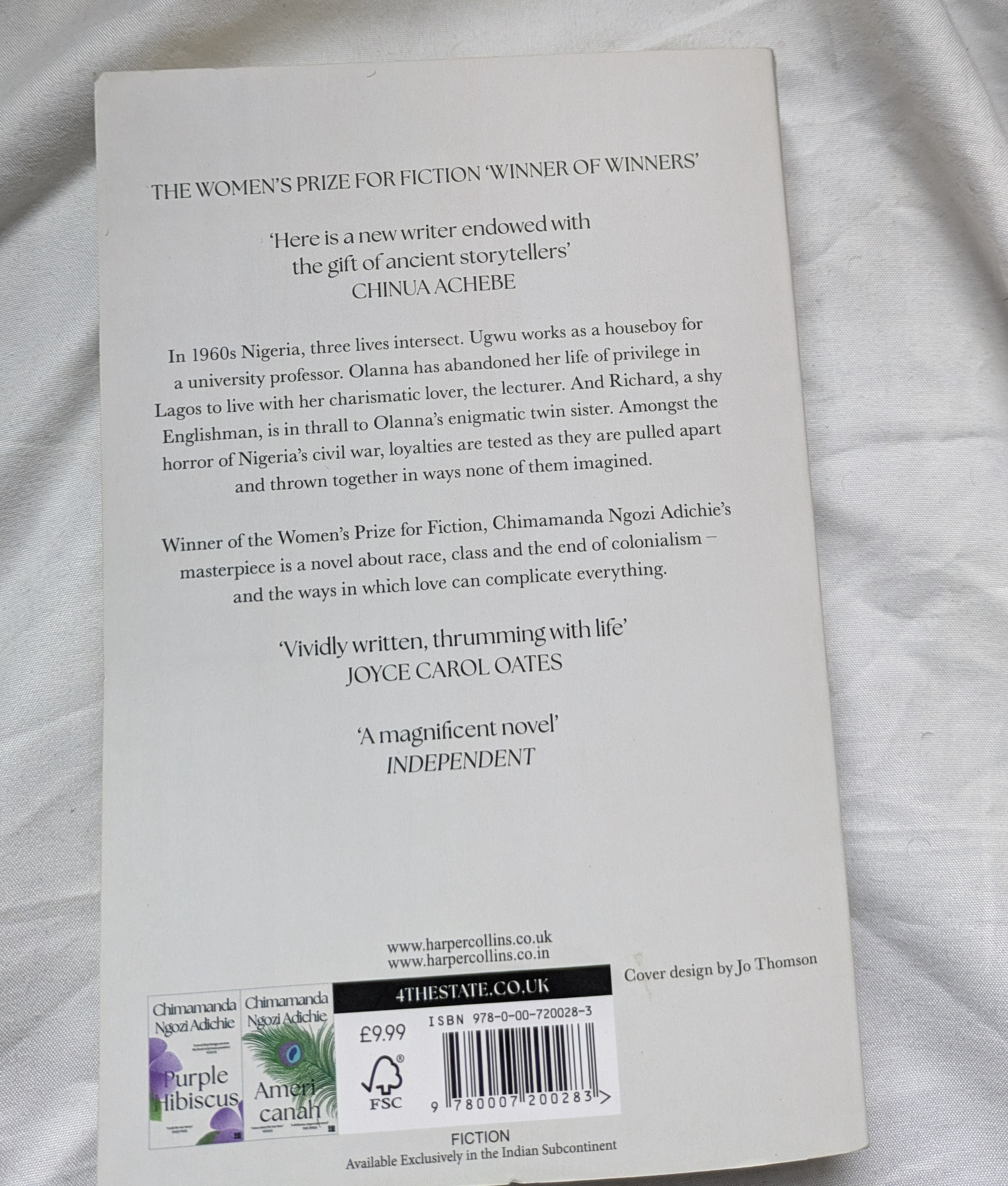
I finally picked up a copy of Half of a Yellow Sun by Chimamanda Ngozi Adichie. The blurb at the back doesn’t give away too many spoilers, but I am incredibly curious to find out why this specific novel was crowned the Women’s Prize for Fiction ‘Winner of Winners’.
‘Here is a new writer endowed with the gift of ancient storytellers’
— CHINUA ACHEBE
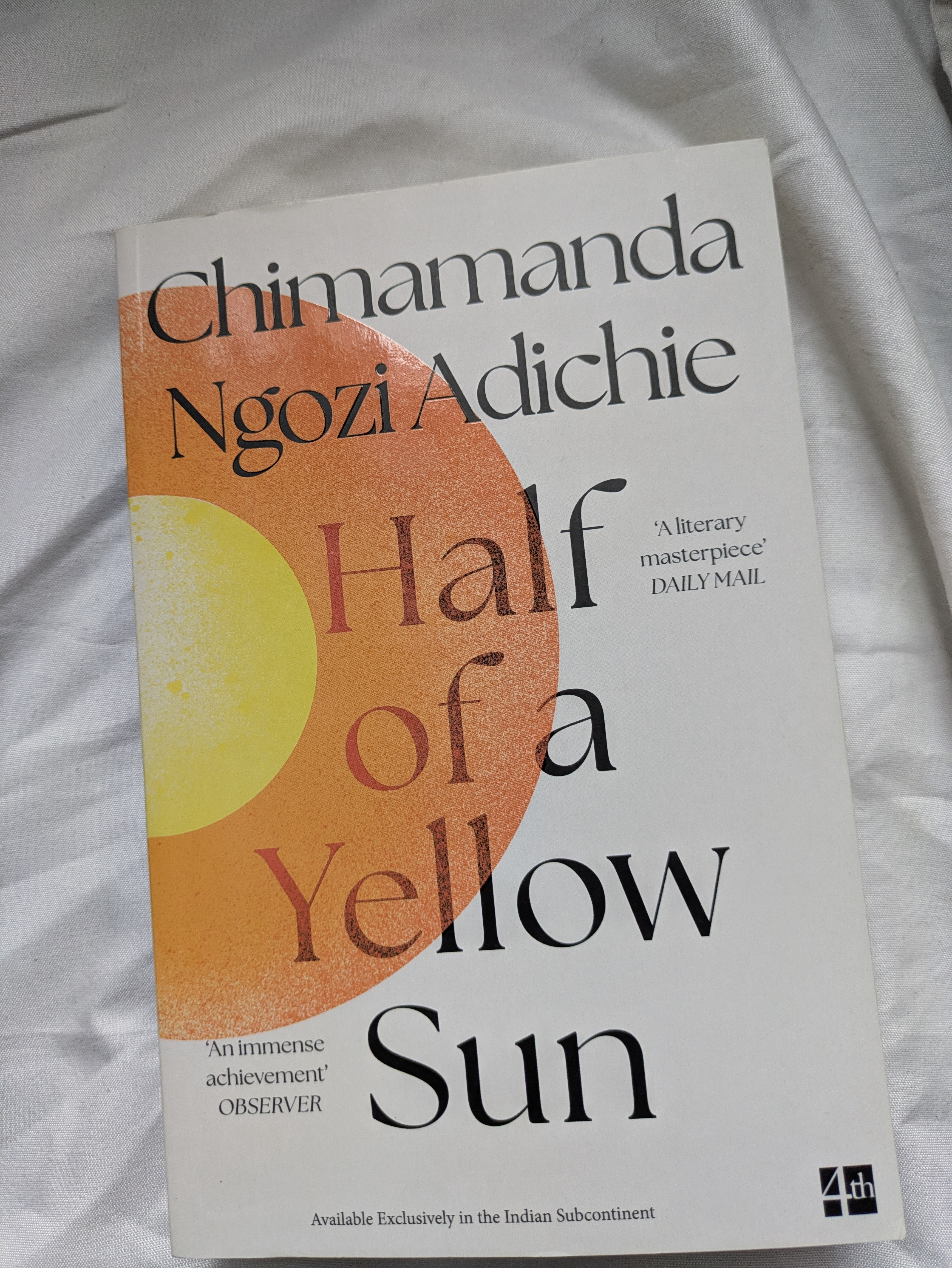
What It’s About - From the Blurb behind the book
Set in 1960s Nigeria, the story promises to follow three intersecting lives during a tumultuous time:
- Ugwu, a houseboy for a university professor.
- Olanna, a privileged woman who leaves Lagos for a simpler life with her lover.
- Richard, a shy Englishman infatuated with Olanna’s twin sister.
From what I understand, without too many spoilers these characters are thrown together during the horrific Nigerian Civil War, where their loyalties and relationships are tested in unimaginable ways.
Why I’m Reading It
I find the title interesting and also because I think it will be a good read. I’m looking forward to diving into this masterpiece and seeing if it lives up to the immense praise. I’ll report back once I’ve turned the final page. Here are some testimonials to motivate me to finish it:
‘Vividly written, thrumming with life’
— JOYCE CAROL OATES
‘A magnificent novel’
— INDEPENDENT
PS:
This is going to be a long PS. I’ll try to write this without dropping spoilers.
The writing
Before I go into the details, I think I now know, “ why this specific novel was crowned the Women’s Prize for Fiction ‘Winner of Winners’”. Chimamanda’s writing is indeed superb and most enjoyable, one might even call it a ‘voice of a generation’.

The plot progression
The way the book begins is very different from the way it ends. I have to admit, I really didn’t pay attention to the word ‘horror’ in the description on the back cover of the book. It seems like this Mr incredible meme personified when comparing the two.

I wasn’t expecting a narrative of war and its effect but In hindsight, I wonder what exactly I was ‘expecting’. Perhaps I expected the part about the Biafra war to be just a chapter or two, only to realise that it now shapes the rest of the book. In a way, that mentality that it was going to end soon makes the reader immerse themself more in the story. This assumption is strenghtened further as you read and find the characters also believed at the start that the war would end any moment from now. This expectation that the war would end in the very next scene made the book a bit difficult to put down. The unfortunate thing however is that the book keeps on expounding on the Biafran war and it seems to continue and continue, until eventually the reader comes to understand that it’s here to stay and even if it leaves it’s effects would linger on. By the end of the book the war and its effects have become a non-negligible part of the story.
A note on History and Africa
Now regarding history and the accounts mentioned in the book, of course the book states that the characters were fictional, but the war and the partially recognized state of Biafra was an actual historical event that occured. As a Ghanaian I have not really studied the history of this conflict in Nigeria, and the little I know about this is from a few literary writings where the war was only referenced. In fact I’m not sure where I have heard of the Biafran war, perhaps one of the books from Chinua Achebe. I was also not aware of the scale of the war; in which more than 2 million people died. Some might even consider this as a genocide that has been ignored.
After reading this book I just felt a sense of sadness that I had been in such ignorance about a country in the same region in West Africa as my home country Ghana. I rather knew more about wars in countries far away.
The book ends in a non-typical way so it’s difficult to bring this PS to a typical close.
Kenya, Uganda and Rwanda Ban Cash Bouquets
As Valentine’s Day approaches, lovers across East Africa will have to rethink their gift ideas as Kenya, Uganda, and Rwanda have all taken a firm stance against the popular trend...
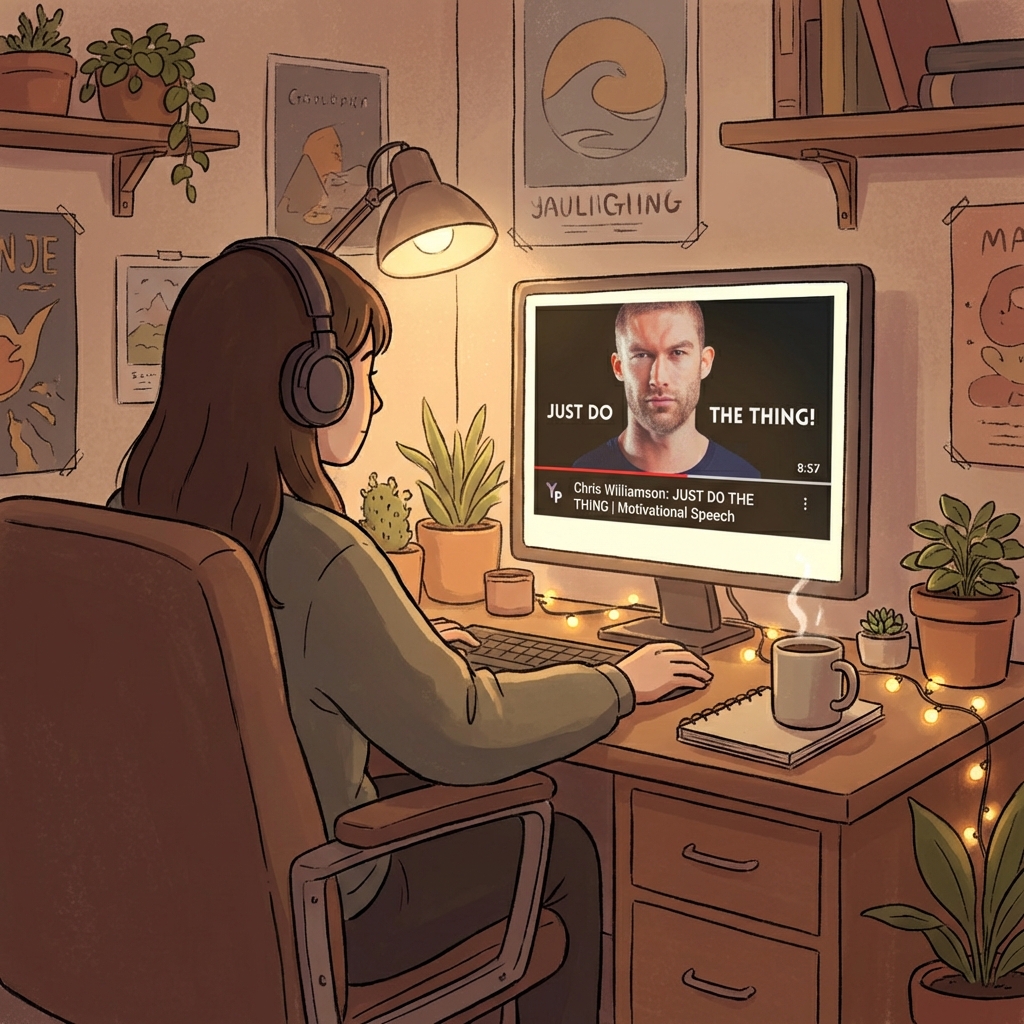
Just Do The Thing - Chris Williamson on The Things That Are Not Doing The Thing
There’s this video on ‘Doing the Thing’ that I like so much so I’m gonna share it with you. Chris Williamson shares a perspective on productivity and procrastination. The video...