
Cover Image for Post - Understanding Gradients With Loss.backward() in PyTorch

Cover image for Understanding Gradients with loss.backward() in PyTorch
Additional comments:
Deep learning relies on the fundamental process of backpropagation to adjust model parameters effectively. By calling loss.backward() in PyTorch, you trigger the automatic differentiation engine that computes gradients for the entire computational graph. This mechanism allows the network to propagate error signals from the output back to the individual weights. Mastering this step is essential for anyone aiming to customize optimization loops or debug training stability. Understanding how these gradients flow through your tensors transforms how you approach model architecture design and loss function selection. We will break down the mechanics of the gradient accumulation process to ensure you have total control over your neural network training pipeline.
Recommended Further Browsing
"Run Go" by Stonebwoy with Lyrics about the Simple life
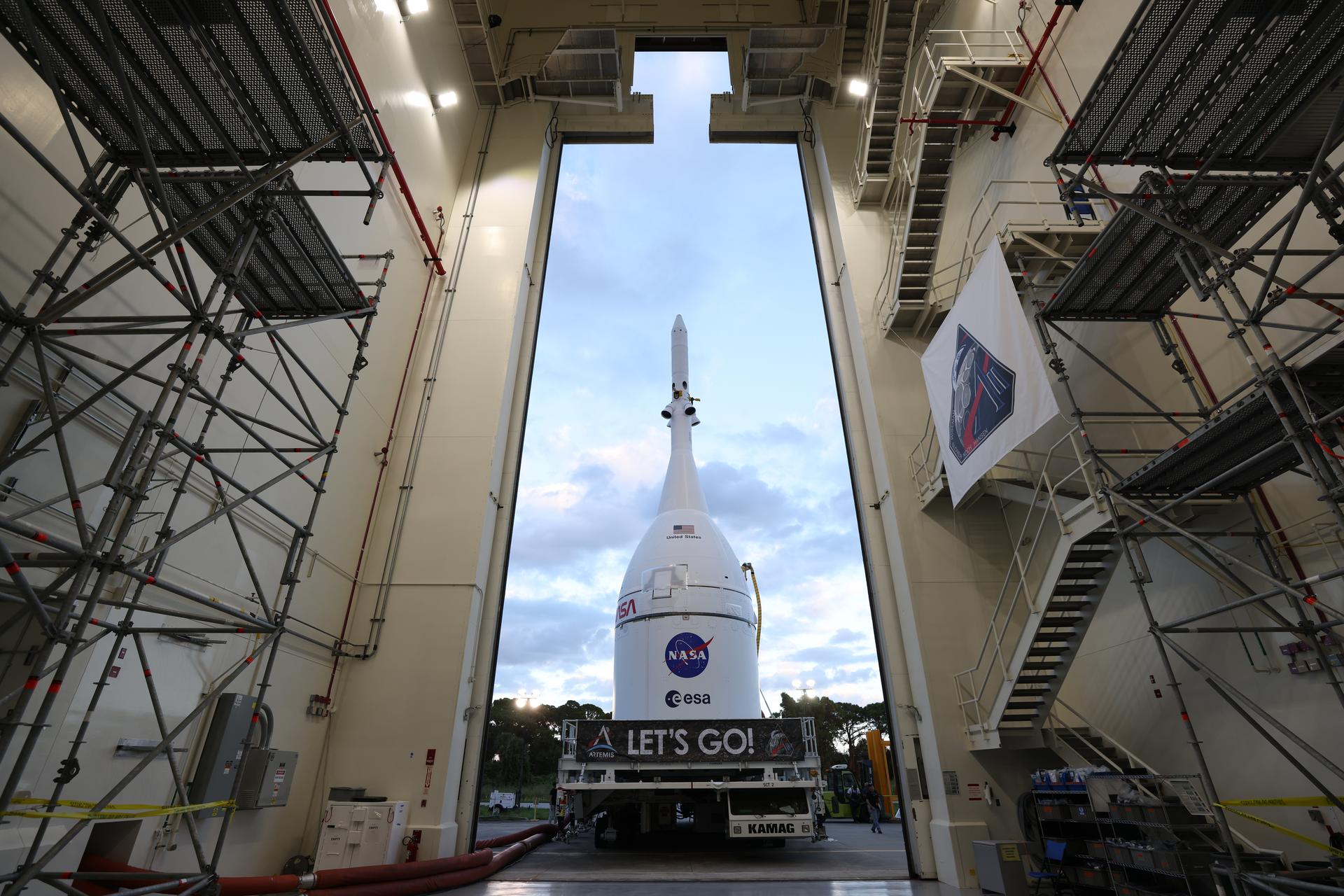
Technicians with NASA’s Exploration Ground Systems team transport NASA’s Orio...

Lisa Mazzuca, mission manager for the Search and Rescue Office at NASA’s Godd...
