
Ghana, an Introduction- All That Glitters is Still Gold
This is an introduction to Ghana I hope you will find interesting. In this post I'll try to focus on certain aspects a visitor to Ghana might find interesting; people, history, governance, and sights to visit.
Entertainment in Ghana
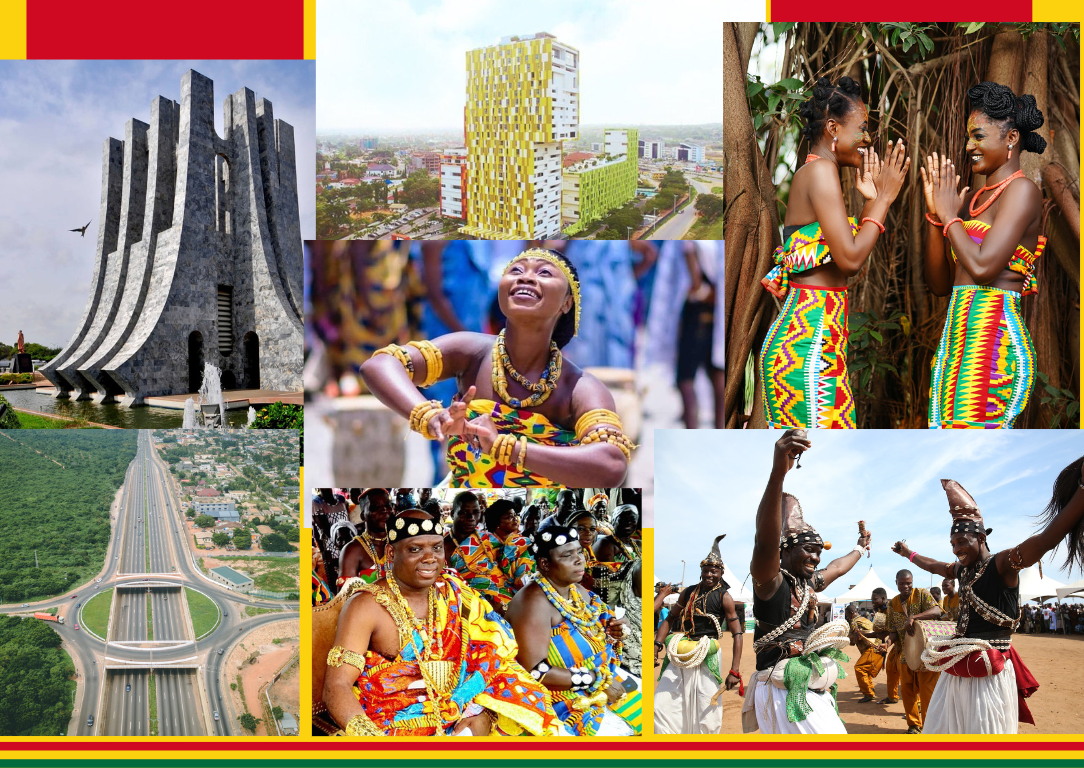
From highlife and hiplife music to colorful festivals with many different dances, Ghana has a variety of activities that count as entertainment. A special one is the Ghanaian's love for football and the men's national team the Black stars.
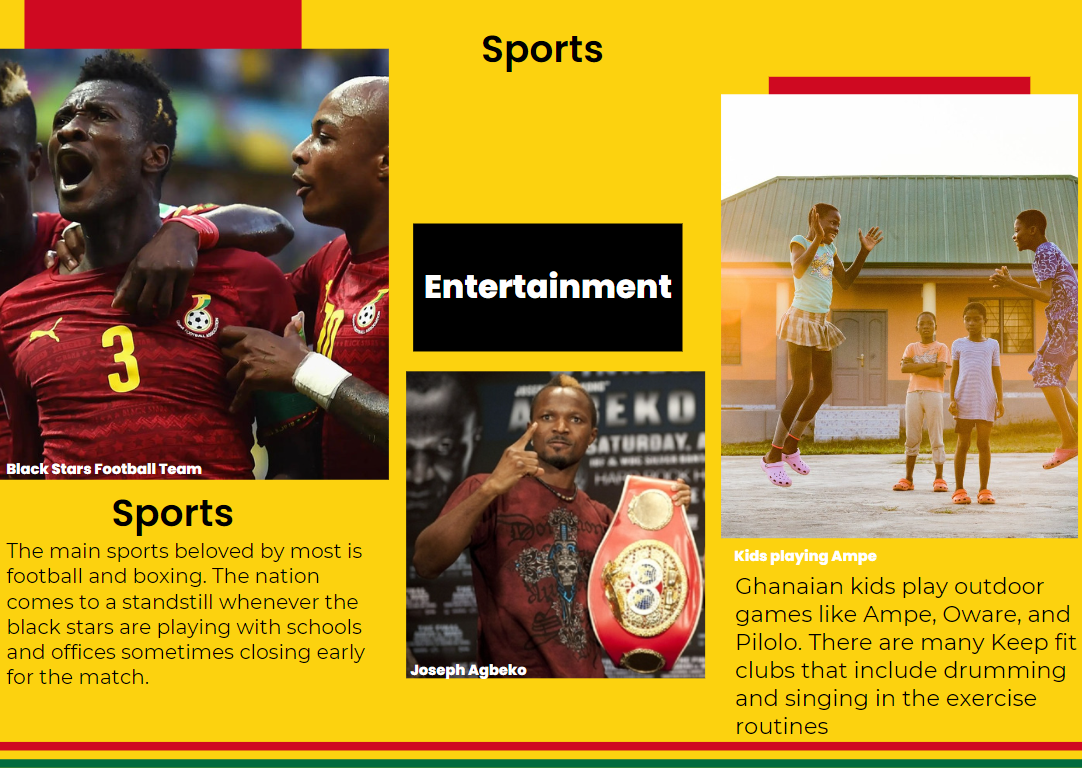
Most Ghanaians, and many Africans, were heartbroken in the 2010 world Cup when Asamoah Gyan missed a penalty during the quarter final match with Uruguay. The cause of the penalty was a handball from Luiz Suarez of Uruguay whom many find hard to forgive to this day.
I have included a video from Twitter that gives a good summary of the Ghana-Suarez football situation.
When Luis Suarez’s blatant handball prevented Ghana from becoming the first Africa nation to reach a World Cup semifinal. 😲🏆
— Pubity Sport (@pubitysport) August 28, 2024
(Via @FIFAWorldCup)
pic.twitter.com/vEM0m0YsfA
People
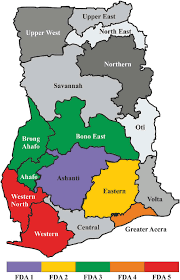
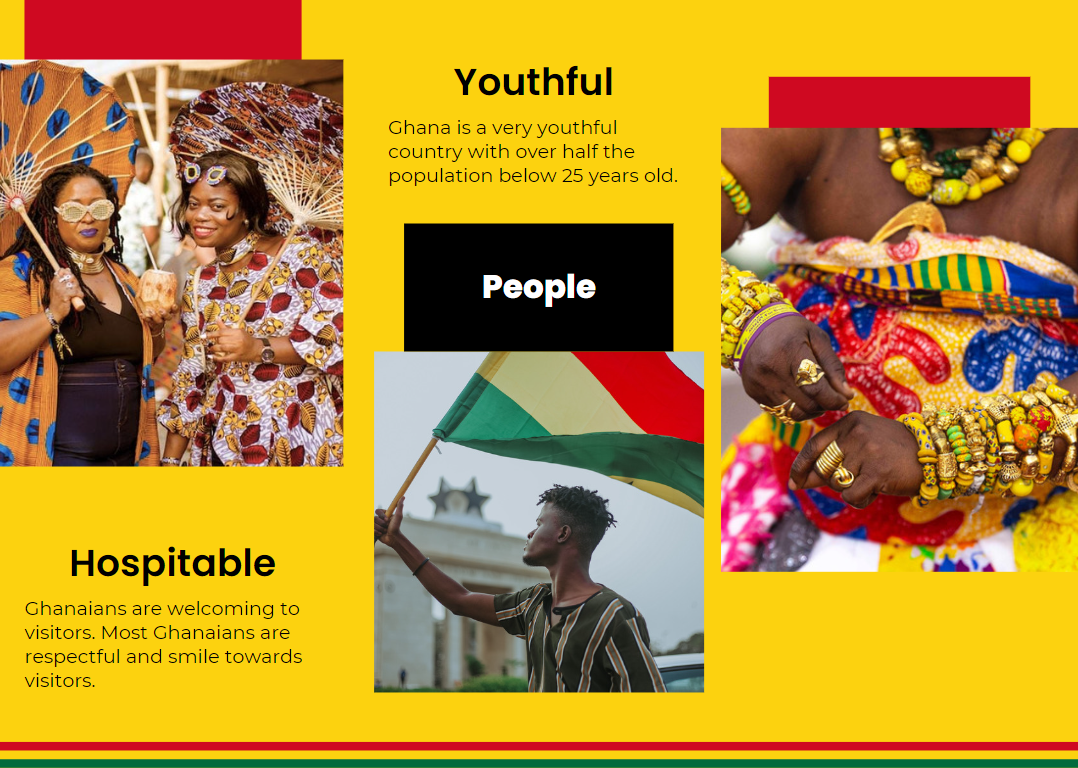
The people, hospitable and most welcoming you can find. With diverse ethnic groups such as the Akan, Ewe, Ga, Mole-Dagbani with each having their own traditions, festivals and food. Below I will attempt to give a brief overview of the major ethnic groups in Ghana with the regions where they have a strong presence.
Major ethnic groups:
- Akan - Mostly located in the southern parts of Ghana down to the coast; strong presence in the Ashanti, Eastern, Western, Central regions. They have many different subgroupings such as Fante and Akuapem and also have a strong chieftaincy institution. Some say they are the most populous ethnic group. They are said to have migrated from the old Ghana empire, part of which is in present day Mali,and settled southwards where Ghana is located today.
- Ewe - Strong presence in Eastern Ghana; volta region. Said to have migrated from Notsie in present day Benin, heading Westward to present day Ghana. **Fun fact: ** the Volta region was once part of Togo, Ghana's eastern neighbour. "The Volta region was formed by the state union of the former British Togoland which had been part of the German protectorate of Togoland." Link to Wikipedia if interested in the history.
- Ga-Adangbe - Concentrated in the southern parts of Ghana and also the capital city Accra.
- Guan - Found across many regions of Ghana and believed to be the first settlers to arrive in Ghana.
- Mole-Dagbani - This ethnic grouping involves many different and diverse subgroups in the North of Ghana and are also said to have migrated Southwards at different times before the formation of Ghana as a country.
History in Governance:
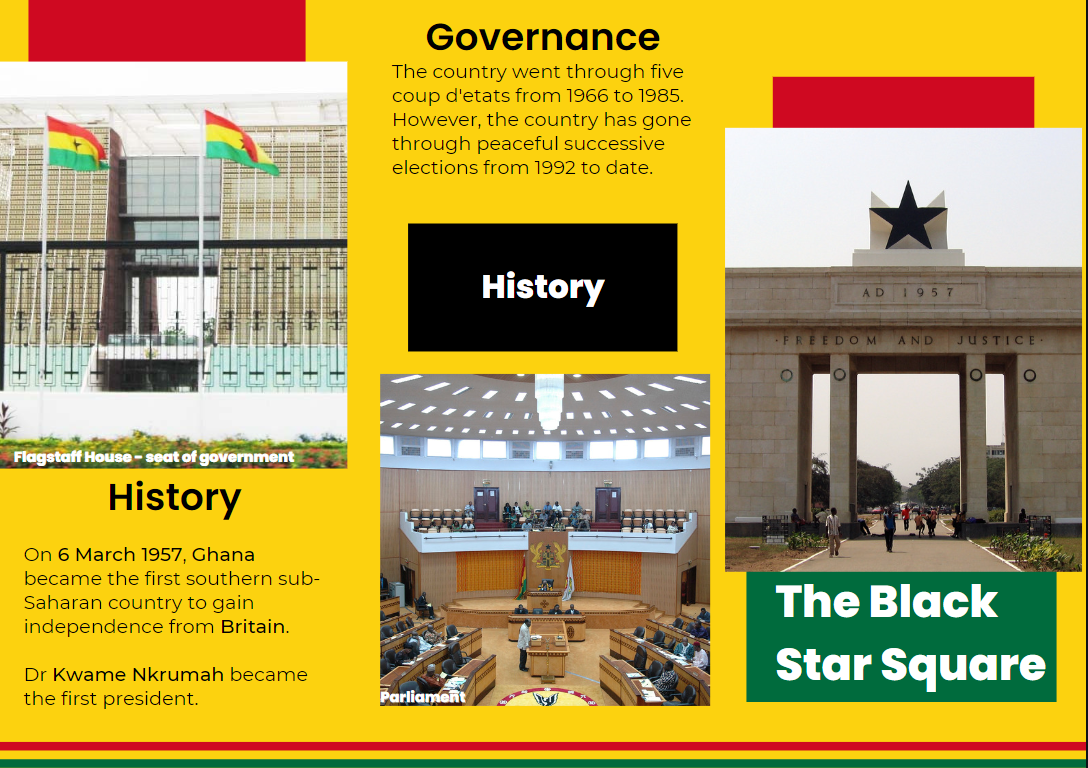
Earlier Governance will go all the way further to the 19th century with the Old Ghana empire and the Ashanti Kingdom.
Instead, let us start from the recent beginning as the first sub-Saharan nation to gain independence in 1957. Ghana's first president was Dr Kwame Nkrumah. The nation reached republic status in 1960. Since then there have been 4 democratic republics in Ghana with military overthrows of the government in-between. However at the time of writing this post (2025) it's been 33 years of the 4th democratic republic for which we are most grateful to God.
Geography
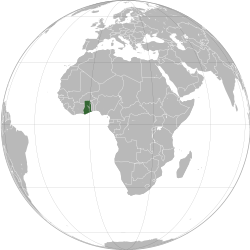
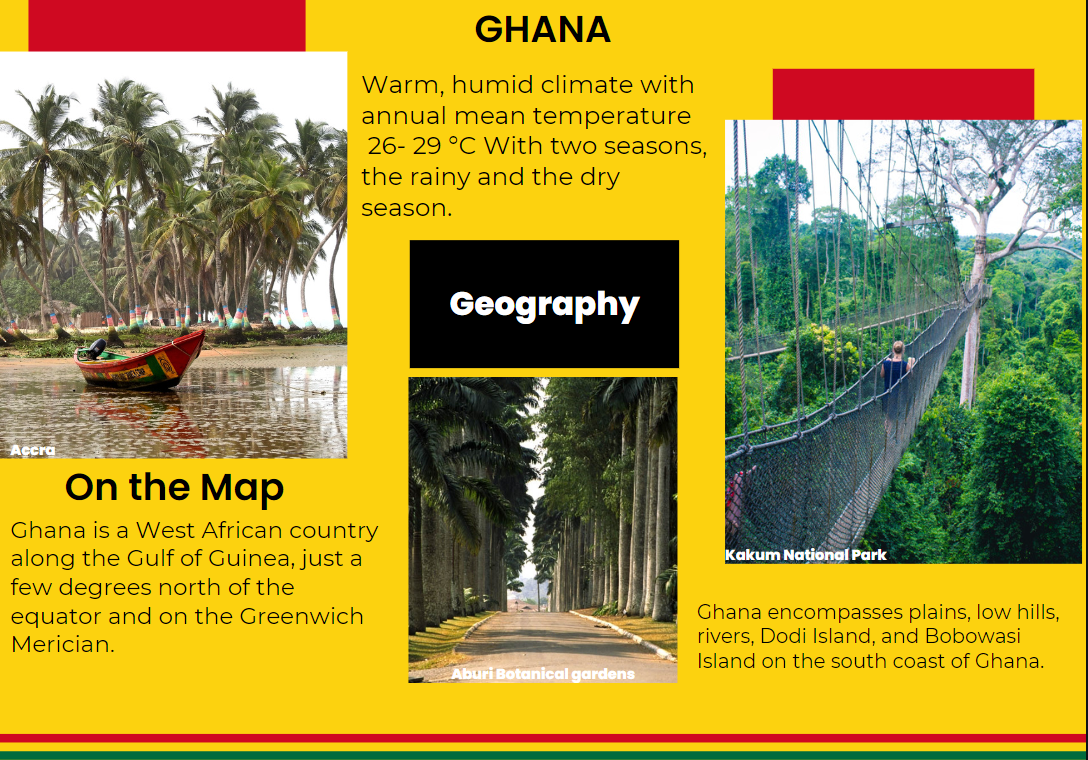
Located in West Africa Ghana boasts a tropical climate with warm temperatures year-round. From coastal plains to lush rainforests and savannas, it features diverse landscapes such as the Akwapim-Togo range and lakes that include the Volta Lake and Lake Bosomtwe.
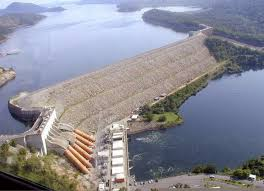
Fun fact: The Volta Lake held the record for the largest artificial lake in the World, when the Akosombo Dam in the Eastern region of Ghana was constructed in 1965. It held the record until the early 1970s when other larger reservoirs were created.
Sights to visit
There are many tourist attractions in Ghana from the Mole National Park with a variety of wildlife in Northern Ghana, the tropical rainforest in the South West, Wli waterfalls, Larabanga mosque and Castles along the coastline which offer guided tours.

Resources
Ghana is rich in resources like gold, cocoa, bauxite and oil.

In this place all that glitters is still gold.
Fun fact: Before independence Ghana was known as the Gold Coast.
Here is an instagram post from @ishoot_Ghana on instagram capturing multiple iconic places in Ghana.
A final picture to end this post

Quick Cultural Bites
Interested in diving deeper into Ghanaian culture? Here are a few iconic elements that define the nation's heritage and heart.
Related Concepts & Posts
The following cards provide further definitions of concepts discussed above, and possible links to related posts.
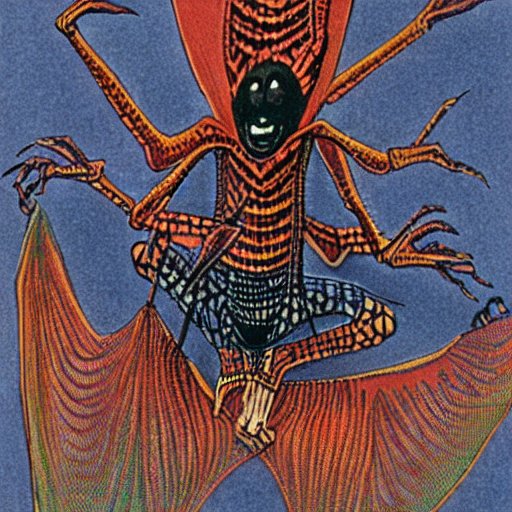
Ananse the Spider
Kweku Ananse is the legendary spider trickster of West African folklore. Originally from the Ashanti people, these stories taught wisdom and survival, eventually spreading across the diaspora.
Read Ananse Stories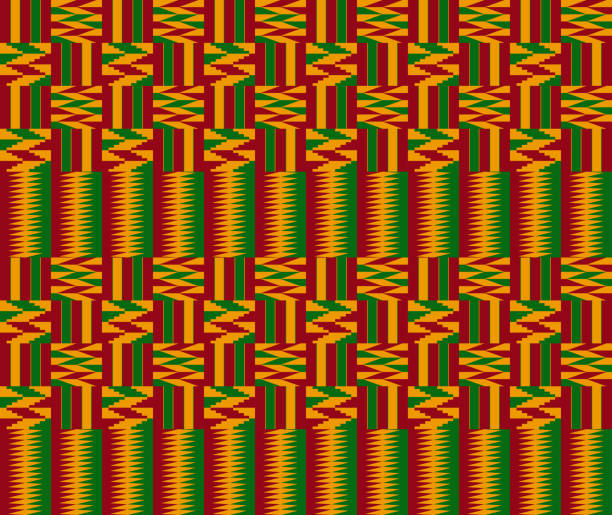
Kente Cloth
Ghana's iconic hand-woven silk and cotton fabric, originally worn by royalty. Each pattern tells a unique story or reflects a specific philosophy, making it a symbol of national identity.
Learn about Kente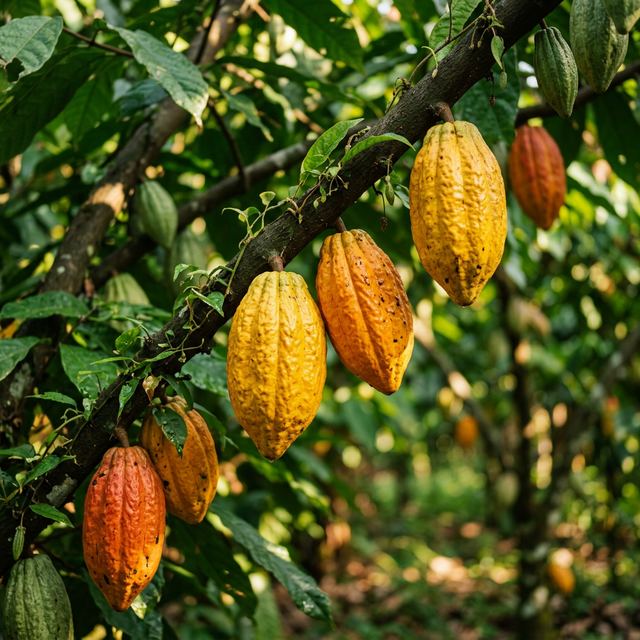
Ghanaian Cocoa
Ghana is the world's second-largest producer of cocoa. The rich soil and tropical climate produce high-quality beans that are essential to the global chocolate industry.
Ghana's 'Brown Gold'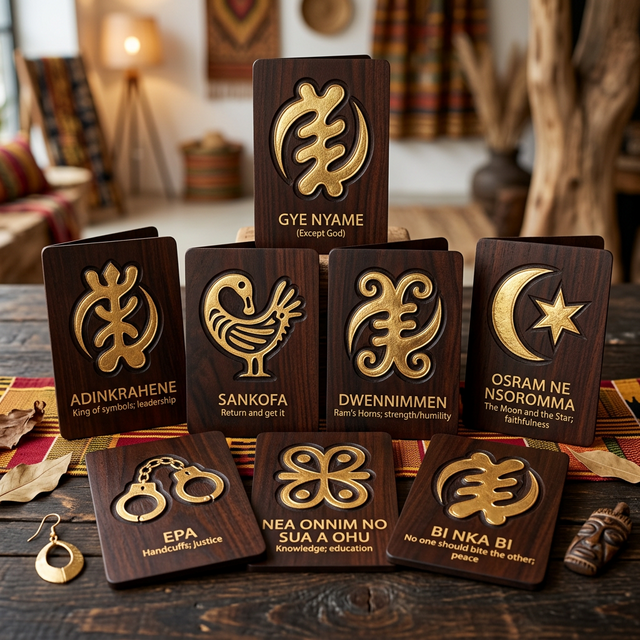
Adinkra Symbols
Visual symbols that represent concepts or aphorisms. From 'Gye Nyame' (Except God) to 'Sankofa' (Go back and get it), these symbols are deeply embedded in Ghanaian life and art.
Explore Symbols
Iconic images from animation
I created this to separate the drawn/animated images from my original post on iconic images from the internet. --- Tom and Jerry: Tom about to blow his mind. Ironically he's...
MEME reactions
Pictures of reactions I found interesting across the internet. Could be memes, but I'm just gonna create a new post for these. --- Homelander from The Boys looking disgusted !Homelander...