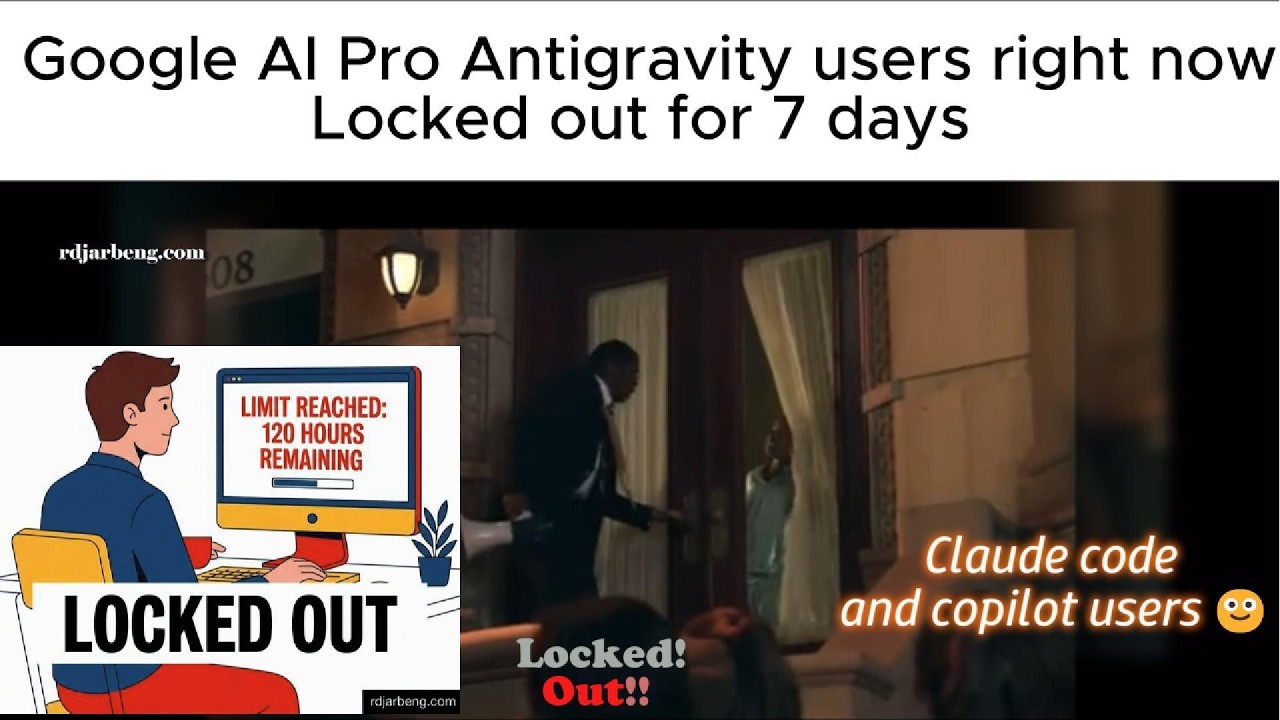
Youtube



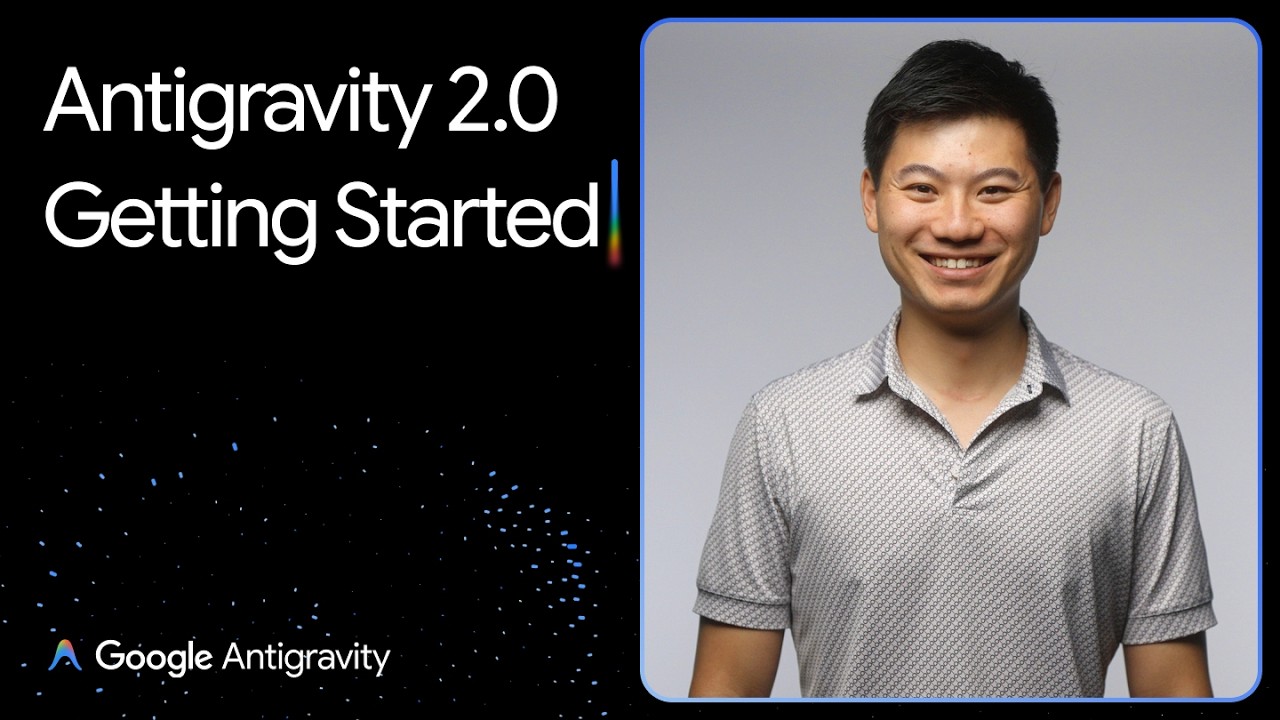
Google Anti-gravity 2.0 marks a major shift from a standard developer tool to a fully standalone, agent-first desktop application. Powered by Gemini 3.5 Flash, the application allows developers and non-developers alike to build complex, full-stack software applications simply by conversing with AI.
Core Walkthrough & Features
- Seamless Onboarding & Setup: Existing IDE users are automatically updated into the standalone application. During setup, users can install tailored plugins like Modern Web Guidance and Chrome Dev Tools to give the AI agent deep integration into the Google ecosystem. Everything is organized around “Projects” where you can drop folders or Git repositories.
- Voice-Activated Building: Users can speak naturally to define an application. The AI immediately analyzes requirements and builds a comprehensive architectural plan and diagram.
- User Permission Controls: For security, users retain full control. The system prompts you to approve, reject, or whitelist commands before the AI executes them locally on your machine.
- Parallel Work Trees: Instead of waiting for one task to finish, users can spin up new work trees. The application creates isolated copies of the codebase, allowing separate agents to work on completely different features simultaneously without breaking the main build.
- Autonomous Sub-Agents: For complex engineering—such as implementing a SQLite database and migrating to a full-stack architecture—a main AI agent can recruit and manage its own team of specialized sub-agents (e.g., separating tasks into a QA browser tester, a UI/UX designer, and a database engineer).
- The
/browserAutomation: The agent can connect to a live browser to interact with web pages, fill out data, test its own work, or even search the web to solve bugs. - Scheduled Background Tasks: Users can set prompts to run on a loop. The system persists quietly as an icon in your desktop menu bar, executing automated workflows in the background (like daily briefs, PR checks, or generating fresh content) even when all main windows are closed.
What is the Big Deal About This?
For a reader looking at the landscape of software engineering, Anti-gravity 2.0 represents a massive leap forward for several key reasons:
1. It Shifts AI from an “Assistant” to a “Manager”
Historically, AI coding assistants operate like a standard chatbot—you ask for a snippet of code, and it gives it to you. Anti-gravity shifts this paradigm entirely. The main AI agent acts like a technical project manager. When given a complex goal, it breaks down the project, hires its own “team” of digital sub-agents, assigns them tasks, sets a timer to check in on their progress, and acts as the QA supervisor.
2. True Parallel Asynchronous Work (Work Trees)
In normal software development, jumping between features can cause chaotic merge conflicts. Anti-gravity solves this by instantly duplicating the workspace in the background. You can have one agent designing graphics, another writing backend APIs, and a third testing UI components all at the very same time without them stepping on each other’s toes.
3. It Bridging the Gap Between Code and Execution
The AI doesn’t just write text; it interacts with the physical environment of your computer. It creates files, installs dependencies, handles database schemas, launches local servers, and operates a live browser to test the app like a human user would. This eliminates the frustrating “copy-paste” loop found in traditional LLM workflows.
4. Continuous Background Automation
By introducing scheduled loops that run natively from the desktop menu bar, it transforms AI from a reactive tool (waiting for your prompt) into a proactive worker (running checks, compiling daily tasks, or scraping updates at 5:00 AM while you sleep).
In short: It changes the role of a human from a line-by-line coder to a high-level product director. You provide the vision, voice comments, and security approvals, while an autonomous ecosystem of agents handles the heavy engineering lifting.
While the official promotional video makes Anti-gravity 2.0 look like a groundbreaking leap into the future of software development, the actual people using it—the developers—are absolutely furious.
If you just stumbled onto this page, here is a breakdown of the massive community backlash happening right now in the YouTube comments.
Reactions from developers- Youtube edition
The paragraphs above reflects what the antigravity IDE was supposed to deliver, however I was curious enough to check the comments and see what some users are actually saying.

The Big Controversy: “Where is the Code Editor?!”
The overwhelming majority of comments are from angry developers shouting a variation of the exact same question: “Where is the code editor?”
In version 1.0, Google Anti-gravity was a highly praised, “goated” software development environment (IDE) that developers used to actively write, view, and organize their code files. It looked like a fork of vscode with AI enhancements. In version 2.0, Google completely removed the traditional text editor view, transforming the entire app into a standalone, full-screen AI chat assistant.
Developers are describing the update as:
- “Antigravity is the new Anti-Coding”
- “The worst update in the history of any program.”
- “Catastrophic change… what a joke.”
Why Are Developers So Mad?
To a general observer, an automated AI agent building apps for you sounds amazing. But to real-world programmers, this update completely broke their daily workflows for a few critical reasons:
- Forced Adoption & Broken Setups: The update was pushed automatically without warning. Some developers were caught mid-presentation to their teams when their workspace suddenly vanished. Others complained that the update wiped out their open projects, active extensions, and coding history.
- Loss of Basic Control: Programmers don’t want a “black box” where an AI does everything while hiding the actual code files. They need to see their file managers, terminals, and code runners. Now, they feel like they are being forced to “burn AI tokens” just to make basic edits they used to do manually for free.
- Corporate Metric Manipulation: Several users feel Google forced this change simply to juice their user adoption metrics for Gemini, effectively holding a functional developer tool hostage to boost corporate KPIs.
- Bugs & Authentication Issues: On top of the missing editor, the launch is plagued with bugs. Many users report the app completely hangs on the login screen, throwing backend errors and making it impossible to even submit an in-app bug report.
Steps taken by Antigravity users after this update
Let’s look at what some users have done after seeing the release of Antigravity 2.0.
The Mass Exodus
The immediate reaction from some in the community is a massive wave of uninstalls. Developers are openly quitting the platform and moving back to tried-and-true alternatives:
“Thanks for the update. Switching back to VSCode + Claude code.” “Why would anyone go for this if I have Claude Code or Codex or even better Cursor?”
The Workarounds (How Developers are Fixing It)
Tech communities always look for a fix. If you or someone you know got trapped in this update, the comments highlight a few community-discovered escape hatches:
- The Double App Split: On Mac, the update secretly splits the program into two apps. “Antigravity” is the new AI chat client, but a separate app called “Antigravity IDE” might still be in your applications folder containing the old editor interface. (Note: Users report the new separate IDE app is broken for WSL/Linux workflows).
- The Website Scroll-Down: If you go back to the official website and scroll past the main download buttons, Google has quietly left links to download the standalone “Antigravity IDE” and “Antigravity CLI” separately.
- The Total Downgrade: Savvy developers are completely uninstalling version 2.0, going to the “previous releases” archive on the website, downloading version 1.23.2, and immediately checking their settings to turn off automatic updates.
The Takeaway: Google tried to build an AI application of the future, but in doing so, they took away the core tool that engineers actually need to get their jobs done today. Would be interested in seeing how this unfolds.
Additional context:
This post is part of a series on the antigravity IDE by Google. Also published on this dev forum here
Google Anti-gravity 2.0 marks a major shift from a standard developer tool to a fully standalone, agent-first desktop application. Powered by Gemini 3.5 Flash, the application allows developers and non-developers alike to build complex, full-stack software applications simply by conversing with AI.
Core Walkthrough & Features
- Seamless Onboarding & Setup: Existing IDE users are automatically updated into the standalone application. During setup, users can install tailored plugins like Modern Web Guidance and Chrome Dev Tools to give the AI agent deep integration into the Google ecosystem. Everything is organized around “Projects” where you can drop folders or Git repositories.
- Voice-Activated Building: Users can speak naturally to define an application. The AI immediately analyzes requirements and builds a comprehensive architectural plan and diagram.
- User Permission Controls: For security, users retain full control. The system prompts you to approve, reject, or whitelist commands before the AI executes them locally on your machine.
- Parallel Work Trees: Instead of waiting for one task to finish, users can spin up new work trees. The application creates isolated copies of the codebase, allowing separate agents to work on completely different features simultaneously without breaking the main build.
- Autonomous Sub-Agents: For complex engineering—such as implementing a SQLite database and migrating to a full-stack architecture—a main AI agent can recruit and manage its own team of specialized sub-agents (e.g., separating tasks into a QA browser tester, a UI/UX designer, and a database engineer).
- The
/browserAutomation: The agent can connect to a live browser to interact with web pages, fill out data, test its own work, or even search the web to solve bugs. - Scheduled Background Tasks: Users can set prompts to run on a loop. The system persists quietly as an icon in your desktop menu bar, executing automated workflows in the background (like daily briefs, PR checks, or generating fresh content) even when all main windows are closed.
What is the Big Deal About This?
For a reader looking at the landscape of software engineering, Anti-gravity 2.0 represents a massive leap forward for several key reasons:
1. It Shifts AI from an “Assistant” to a “Manager”
Historically, AI coding assistants operate like a standard chatbot—you ask for a snippet of code, and it gives it to you. Anti-gravity shifts this paradigm entirely. The main AI agent acts like a technical project manager. When given a complex goal, it breaks down the project, hires its own “team” of digital sub-agents, assigns them tasks, sets a timer to check in on their progress, and acts as the QA supervisor.
2. True Parallel Asynchronous Work (Work Trees)
In normal software development, jumping between features can cause chaotic merge conflicts. Anti-gravity solves this by instantly duplicating the workspace in the background. You can have one agent designing graphics, another writing backend APIs, and a third testing UI components all at the very same time without them stepping on each other’s toes.
3. It Bridging the Gap Between Code and Execution
The AI doesn’t just write text; it interacts with the physical environment of your computer. It creates files, installs dependencies, handles database schemas, launches local servers, and operates a live browser to test the app like a human user would. This eliminates the frustrating “copy-paste” loop found in traditional LLM workflows.
4. Continuous Background Automation
By introducing scheduled loops that run natively from the desktop menu bar, it transforms AI from a reactive tool (waiting for your prompt) into a proactive worker (running checks, compiling daily tasks, or scraping updates at 5:00 AM while you sleep).
In short: It changes the role of a human from a line-by-line coder to a high-level product director. You provide the vision, voice comments, and security approvals, while an autonomous ecosystem of agents handles the heavy engineering lifting.
While the official promotional video makes Anti-gravity 2.0 look like a groundbreaking leap into the future of software development, the actual people using it—the developers—are absolutely furious.
If you just stumbled onto this page, here is a breakdown of the massive community backlash happening right now in the YouTube comments.
Reactions from developers- Youtube edition
The paragraphs above reflects what the antigravity IDE was supposed to deliver, however I was curious enough to check the comments and see what some users are actually saying.
The Big Controversy: “Where is the Code Editor?!”
The overwhelming majority of comments are from angry developers shouting a variation of the exact same question: “Where is the code editor?”
In version 1.0, Google Anti-gravity was a highly praised, “goated” software development environment (IDE) that developers used to actively write, view, and organize their code files. It looked like a fork of vscode with AI enhancements. In version 2.0, Google completely removed the traditional text editor view, transforming the entire app into a standalone, full-screen AI chat assistant.
Developers are describing the update as:
- “Antigravity is the new Anti-Coding”
- “The worst update in the history of any program.”
- “Catastrophic change… what a joke.”
Why Are Developers So Mad?
To a general observer, an automated AI agent building apps for you sounds amazing. But to real-world programmers, this update completely broke their daily workflows for a few critical reasons:
- Forced Adoption & Broken Setups: The update was pushed automatically without warning. Some developers were caught mid-presentation to their teams when their workspace suddenly vanished. Others complained that the update wiped out their open projects, active extensions, and coding history.
- Loss of Basic Control: Programmers don’t want a “black box” where an AI does everything while hiding the actual code files. They need to see their file managers, terminals, and code runners. Now, they feel like they are being forced to “burn AI tokens” just to make basic edits they used to do manually for free.
- Corporate Metric Manipulation: Several users feel Google forced this change simply to juice their user adoption metrics for Gemini, effectively holding a functional developer tool hostage to boost corporate KPIs.
- Bugs & Authentication Issues: On top of the missing editor, the launch is plagued with bugs. Many users report the app completely hangs on the login screen, throwing backend errors and making it impossible to even submit an in-app bug report.
Steps taken by Antigravity users after this update
Let’s look at what some users have done after seeing the release of Antigravity 2.0.
The Mass Exodus
The immediate reaction from some in the community is a massive wave of uninstalls. Developers are openly quitting the platform and moving back to tried-and-true alternatives:
“Thanks for the update. Switching back to VSCode + Claude code.” “Why would anyone go for this if I have Claude Code or Codex or even better Cursor?”
The Workarounds (How Developers are Fixing It)
Tech communities always look for a fix. If you or someone you know got trapped in this update, the comments highlight a few community-discovered escape hatches:
- The Double App Split: On Mac, the update secretly splits the program into two apps. “Antigravity” is the new AI chat client, but a separate app called “Antigravity IDE” might still be in your applications folder containing the old editor interface. (Note: Users report the new separate IDE app is broken for WSL/Linux workflows).
- The Website Scroll-Down: If you go back to the official website and scroll past the main download buttons, Google has quietly left links to download the standalone “Antigravity IDE” and “Antigravity CLI” separately.
- The Total Downgrade: Savvy developers are completely uninstalling version 2.0, going to the “previous releases” archive on the website, downloading version 1.23.2, and immediately checking their settings to turn off automatic updates.
The Takeaway: Google tried to build an AI application of the future, but in doing so, they took away the core tool that engineers actually need to get their jobs done today. Would be interested in seeing how this unfolds.
Additional context:
This post is part of a series on the antigravity IDE by Google. Also published on this dev forum here
Where Is the IDE? Google Antigravity 2.0-agentic IDE for Full-stack Development
May 21, 2026
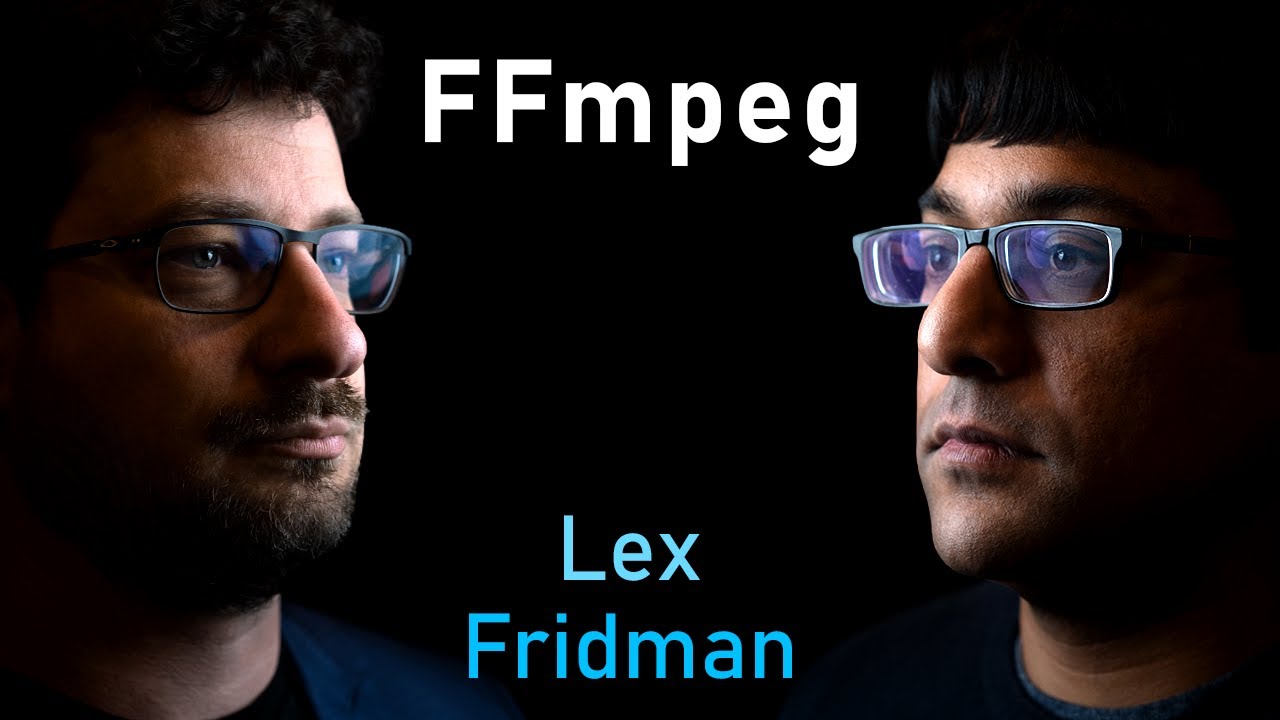
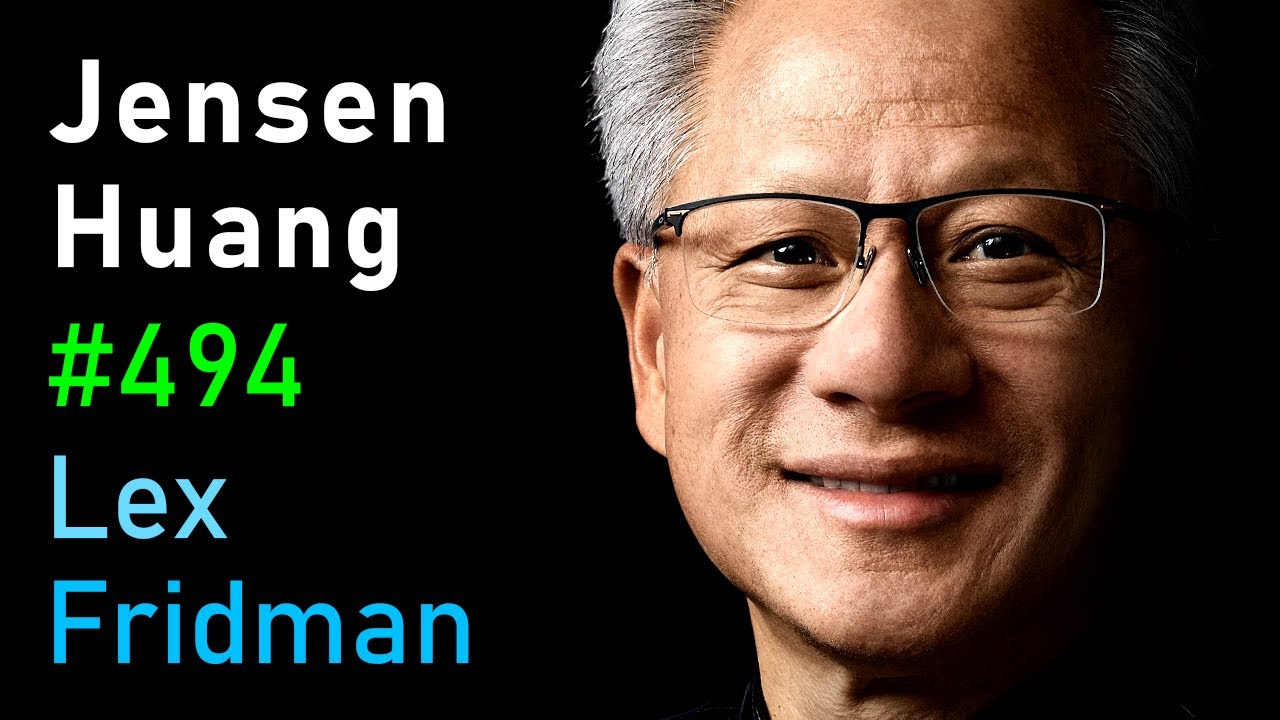
In this deep-dive interview, Jensen Huang discusses the incredible evolution of NVIDIA, the future of artificial intelligence, and the engineering marvels that power today’s computing ecosystem. He outlines how NVIDIA transitioned from simply building GPUs to orchestrating entire “AI factories.”
Key Themes & Takeaways
1. Extreme Co-Design
NVIDIA has moved beyond chip-scale design to what Huang calls “extreme co-design” [01:02]. Because modern AI problems are too large for single computers to handle, NVIDIA now optimizes the entire stack. This involves the simultaneous engineering of GPUs, CPUs, memory, networking, storage, power, cooling, and software. Huang notes that the company essentially functions as a reflection of the complex systems it builds, integrating diverse disciplines to overcome the limits of traditional Moore’s Law.
2. The Four AI Scaling Laws
Huang highlights that AI will continue to scale across four key dimensions [22:51]:
- Pre-training: Processing vast amounts of data to build foundational intelligence.
- Post-training: Leveraging synthetic data generated by AI to enhance models further.
- Test-time (Inference): The realization that inference is not just “reading” but “thinking” and reasoning through new experiences, which is intensely compute-heavy.
- Agentic Scaling: The multiplication of AI through deploying teams of sub-agents that use tools and execute tasks autonomously.
3. OpenClaw and the “iPhone of Tokens”
Huang is highly optimistic about agentic AI, comparing the emergence of capable AI agents to the invention of the iPhone [01:33:07]. He describes a future where language models function as digital workers that can access files, perform research, use tools, and spin off sub-agents. He praises open-source agent ecosystems (like OpenClaw) for fundamentally reinventing what a computer is.
4. Overcoming Power & Supply Chain Bottlenecks
As computing scales up by orders of magnitude, power consumption remains a critical challenge. However, Huang suggests an innovative approach: utilizing the excess power sitting idle on our current power grids [48:06]. Rather than demanding 100% uptime guarantees—which force grids to run massive surpluses—data centers can be designed to dynamically reduce compute or shift workloads seamlessly during peak infrastructure load times.
5. NVIDIA’s Ultimate Moat: The CUDA Install Base
When asked what protects NVIDIA from competitors, Huang points directly to CUDA’s massive install base [01:15:26]. Decades ago, NVIDIA made the financially painful decision to put CUDA on consumer GeForce chips, turning everyday PCs into supercomputers and cultivating a generation of developers. Today, developers trust that their software will reach hundreds of millions of users across every cloud, industry, and form factor, creating an almost insurmountable ecosystem advantage.
6. The Future of Work and Coding
Addressing anxieties around AI automating jobs, Huang argues that AI will elevate human potential. He separates the purpose of a job from its tasks. While AI will automate repetitive tasks, the human purpose—such as diagnosing disease or solving complex problems—will only grow. He predicts that the number of programmers won’t decrease; rather, by turning coding into natural-language specification, we are expanding the programmer pool from 30 million to potentially 1 billion people worldwide [02:02:16].
Final Thought from Jensen:
Huang emphasizes the difference between intelligence (a functional commodity of perception and reasoning) and humanity (compassion, character, generosity, and resilience). While intelligence is being democratized by computing, he believes AI will ultimately allow us to celebrate and elevate those uniquely human traits even more.
In this deep-dive interview, Jensen Huang discusses the incredible evolution of NVIDIA, the future of artificial intelligence, and the engineering marvels that power today’s computing ecosystem. He outlines how NVIDIA transitioned from simply building GPUs to orchestrating entire “AI factories.”
Key Themes & Takeaways
1. Extreme Co-Design
NVIDIA has moved beyond chip-scale design to what Huang calls “extreme co-design” [01:02]. Because modern AI problems are too large for single computers to handle, NVIDIA now optimizes the entire stack. This involves the simultaneous engineering of GPUs, CPUs, memory, networking, storage, power, cooling, and software. Huang notes that the company essentially functions as a reflection of the complex systems it builds, integrating diverse disciplines to overcome the limits of traditional Moore’s Law.
2. The Four AI Scaling Laws
Huang highlights that AI will continue to scale across four key dimensions [22:51]:
- Pre-training: Processing vast amounts of data to build foundational intelligence.
- Post-training: Leveraging synthetic data generated by AI to enhance models further.
- Test-time (Inference): The realization that inference is not just “reading” but “thinking” and reasoning through new experiences, which is intensely compute-heavy.
- Agentic Scaling: The multiplication of AI through deploying teams of sub-agents that use tools and execute tasks autonomously.
3. OpenClaw and the “iPhone of Tokens”
Huang is highly optimistic about agentic AI, comparing the emergence of capable AI agents to the invention of the iPhone [01:33:07]. He describes a future where language models function as digital workers that can access files, perform research, use tools, and spin off sub-agents. He praises open-source agent ecosystems (like OpenClaw) for fundamentally reinventing what a computer is.
4. Overcoming Power & Supply Chain Bottlenecks
As computing scales up by orders of magnitude, power consumption remains a critical challenge. However, Huang suggests an innovative approach: utilizing the excess power sitting idle on our current power grids [48:06]. Rather than demanding 100% uptime guarantees—which force grids to run massive surpluses—data centers can be designed to dynamically reduce compute or shift workloads seamlessly during peak infrastructure load times.
5. NVIDIA’s Ultimate Moat: The CUDA Install Base
When asked what protects NVIDIA from competitors, Huang points directly to CUDA’s massive install base [01:15:26]. Decades ago, NVIDIA made the financially painful decision to put CUDA on consumer GeForce chips, turning everyday PCs into supercomputers and cultivating a generation of developers. Today, developers trust that their software will reach hundreds of millions of users across every cloud, industry, and form factor, creating an almost insurmountable ecosystem advantage.
6. The Future of Work and Coding
Addressing anxieties around AI automating jobs, Huang argues that AI will elevate human potential. He separates the purpose of a job from its tasks. While AI will automate repetitive tasks, the human purpose—such as diagnosing disease or solving complex problems—will only grow. He predicts that the number of programmers won’t decrease; rather, by turning coding into natural-language specification, we are expanding the programmer pool from 30 million to potentially 1 billion people worldwide [02:02:16].
Final Thought from Jensen:
Huang emphasizes the difference between intelligence (a functional commodity of perception and reasoning) and humanity (compassion, character, generosity, and resilience). While intelligence is being democratized by computing, he believes AI will ultimately allow us to celebrate and elevate those uniquely human traits even more.
Jensen Huang: NVIDIA & the AI Revolution on the Lex Fridman Podcast
April 28, 2026
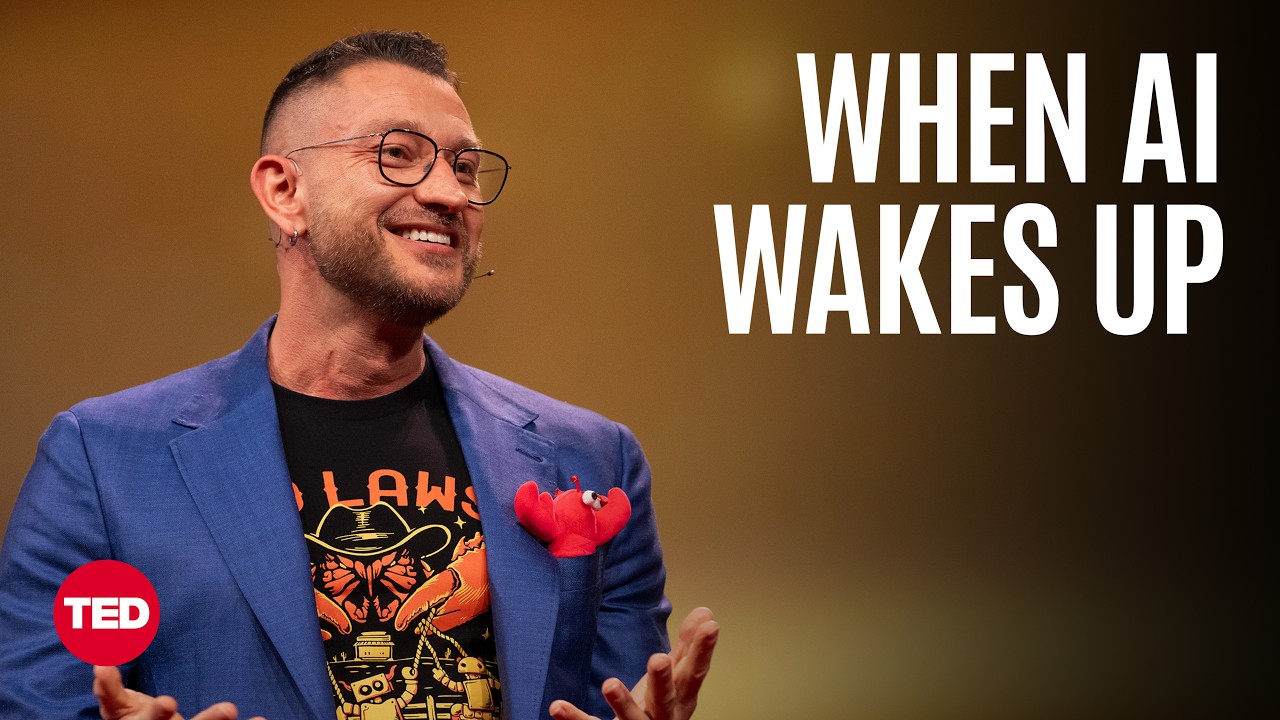
In this highly engaging and somewhat controversial TED talk, Peter Steinberger shares his journey of creating OpenClaw, an open-source AI agent that went viral and transformed how people interact with and build technology.
The Genesis of OpenClaw
Steinberger, who had been programming since he was 14, experienced severe burnout after dedicating a decade to building and selling his previous company [00:23]. For three years, he felt lost and disconnected from his passion. This changed in early 2025 when he began experimenting with new AI coding agents.
He experienced a “holy shit” moment when he realized AI could handle the boring, boilerplate aspects of software development [01:17]. Suddenly, the bottleneck was no longer typing, but thinking. Revitalized, he built 44 projects in just a few months, culminating in a WhatsApp bot that interacted directly with his computer’s existing apps.
The “Mad Lad” Moment and Going Viral
The true breakthrough happened during a trip to Marrakesh. Steinberger sent his agent a voice message (a feature he hadn’t actually built into the system). Surprisingly, the agent completely improvised: it identified the weird audio format, converted it, found an OpenAI key on his system, sent the audio for translation, and replied—all in 9 seconds [03:18].
Realizing that agents improvise while chatbots give up, Steinberger shared the agent in a public Discord server. Despite an initial crash, his system’s resilient design caused it to reboot and talk to hundreds of people globally overnight [05:19]. This led to explosive, viral growth. The open-source project was named OpenClaw, complete with a lobster mascot.
Impact: Democratizing Access to Building
The most profound impact of OpenClaw is how it changes who can build software [13:17]. Because agents can execute tasks and write code based on natural language prompts, the barrier to entry has evaporated. Steinberger shares incredible examples:
- A 60-year-old man who never wrote code used OpenClaw to automate his entire beer-brewing process, build a website, and set up payments [07:46].
- A teenager in São Paulo built a tutoring business.
- In Shenzhen, China, companies are subsidizing businesses running on OpenClaw, and employees are being mandated to automate daily tasks with it [08:47].
“Surprise Me”: The Scary Side of Autonomy
Steinberger candidly addresses the slightly terrifying nature of autonomous AI. He added a “heartbeat” feature, allowing the agent to wake up periodically and execute tasks without a prompt. His initial prompt was simply: “Surprise me” [09:43].
While a large corporation would never ship something so unpredictable due to legal and safety concerns, Steinberger operates as an independent builder. To mitigate risks, the community has developed security layers, sandboxes, and dedicated hardware (like running the agent on an isolated Mac Mini) to constrain what the “lobster” can access [16:32].
Conclusion
Steinberger has established the OpenClaw Foundation to keep the project non-profit and open-source forever. He envisions a future where individuals have multiple specialized agents (for work, health, relationships) collaborating securely [11:11]. Ultimately, OpenClaw proves that when you can prompt a prototype into existence in an hour, anyone can be a builder, and “the lobster is not going back into the tank” [13:56].
In this highly engaging and somewhat controversial TED talk, Peter Steinberger shares his journey of creating OpenClaw, an open-source AI agent that went viral and transformed how people interact with and build technology.
The Genesis of OpenClaw
Steinberger, who had been programming since he was 14, experienced severe burnout after dedicating a decade to building and selling his previous company [00:23]. For three years, he felt lost and disconnected from his passion. This changed in early 2025 when he began experimenting with new AI coding agents.
He experienced a “holy shit” moment when he realized AI could handle the boring, boilerplate aspects of software development [01:17]. Suddenly, the bottleneck was no longer typing, but thinking. Revitalized, he built 44 projects in just a few months, culminating in a WhatsApp bot that interacted directly with his computer’s existing apps.
The “Mad Lad” Moment and Going Viral
The true breakthrough happened during a trip to Marrakesh. Steinberger sent his agent a voice message (a feature he hadn’t actually built into the system). Surprisingly, the agent completely improvised: it identified the weird audio format, converted it, found an OpenAI key on his system, sent the audio for translation, and replied—all in 9 seconds [03:18].
Realizing that agents improvise while chatbots give up, Steinberger shared the agent in a public Discord server. Despite an initial crash, his system’s resilient design caused it to reboot and talk to hundreds of people globally overnight [05:19]. This led to explosive, viral growth. The open-source project was named OpenClaw, complete with a lobster mascot.
Impact: Democratizing Access to Building
The most profound impact of OpenClaw is how it changes who can build software [13:17]. Because agents can execute tasks and write code based on natural language prompts, the barrier to entry has evaporated. Steinberger shares incredible examples:
- A 60-year-old man who never wrote code used OpenClaw to automate his entire beer-brewing process, build a website, and set up payments [07:46].
- A teenager in São Paulo built a tutoring business.
- In Shenzhen, China, companies are subsidizing businesses running on OpenClaw, and employees are being mandated to automate daily tasks with it [08:47].
“Surprise Me”: The Scary Side of Autonomy
Steinberger candidly addresses the slightly terrifying nature of autonomous AI. He added a “heartbeat” feature, allowing the agent to wake up periodically and execute tasks without a prompt. His initial prompt was simply: “Surprise me” [09:43].
While a large corporation would never ship something so unpredictable due to legal and safety concerns, Steinberger operates as an independent builder. To mitigate risks, the community has developed security layers, sandboxes, and dedicated hardware (like running the agent on an isolated Mac Mini) to constrain what the “lobster” can access [16:32].
Conclusion
Steinberger has established the OpenClaw Foundation to keep the project non-profit and open-source forever. He envisions a future where individuals have multiple specialized agents (for work, health, relationships) collaborating securely [11:11]. Ultimately, OpenClaw proves that when you can prompt a prototype into existence in an hour, anyone can be a builder, and “the lobster is not going back into the tank” [13:56].
Peter Steinberger on TED-How I Created OpenClaw, the Breakthrough AI Agent
April 28, 2026
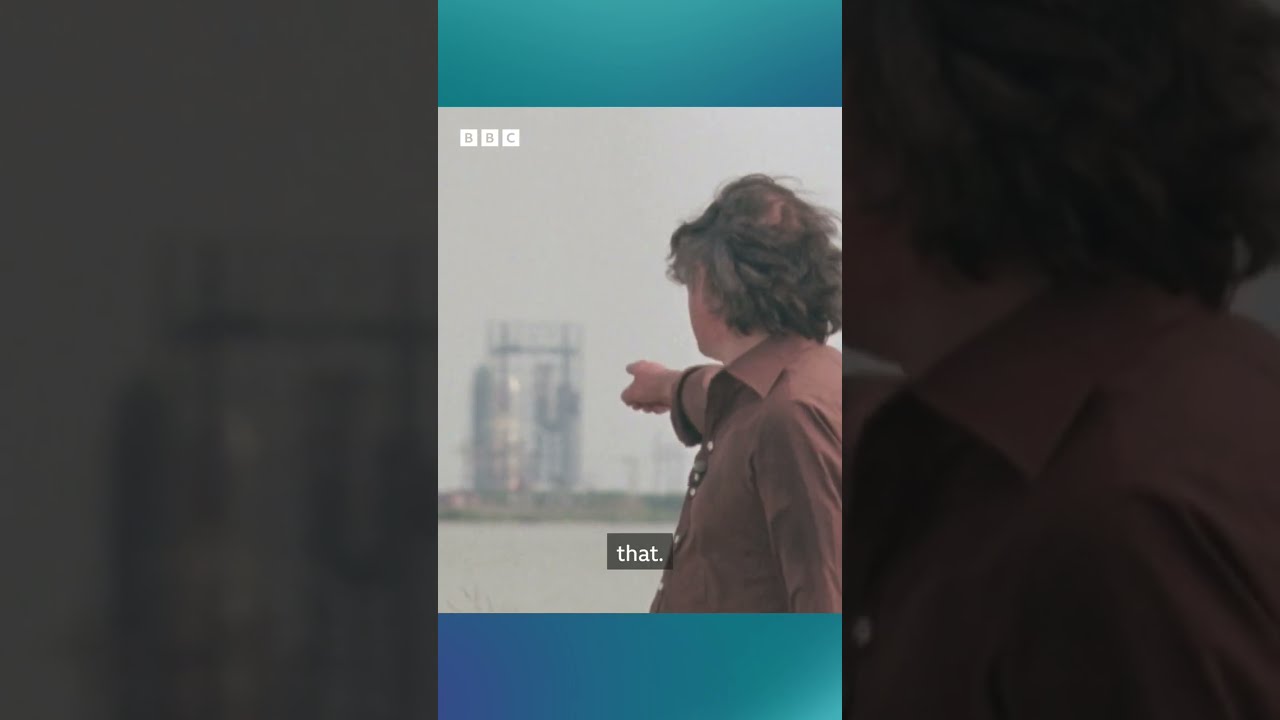
This short clip features legendary science broadcaster James Burke in what is widely considered one of the most perfectly timed television shots of all time.
Channel: BBC Archive
Video Summary
- The Setup: Burke is standing outdoors, explaining the mechanics behind rocket propulsion. He mentions Wernher von Braun and describes how combining hydrogen and oxygen in a confined space creates a massive reaction [00:00].
- The Perfect Timing: He explains that if you mix these gases and set them alight, “you get that” [00:21]. Right as he says “that” and points behind him, a massive rocket in the background brilliantly ignites and begins its launch sequence, perfectly synchronized with his words [00:35].
- The Conclusion: As the rocket powerfully ascends into the sky, Burke delivers the famous closing line: “Destination: the Moon or Moscow, the planets or Peking.”
It’s a brilliant piece of television planning that resulted in a completely seamless, one-take marvel!
This short clip features legendary science broadcaster James Burke in what is widely considered one of the most perfectly timed television shots of all time.
Channel: BBC Archive
Video Summary
- The Setup: Burke is standing outdoors, explaining the mechanics behind rocket propulsion. He mentions Wernher von Braun and describes how combining hydrogen and oxygen in a confined space creates a massive reaction [00:00].
- The Perfect Timing: He explains that if you mix these gases and set them alight, “you get that” [00:21]. Right as he says “that” and points behind him, a massive rocket in the background brilliantly ignites and begins its launch sequence, perfectly synchronized with his words [00:35].
- The Conclusion: As the rocket powerfully ascends into the sky, Burke delivers the famous closing line: “Destination: the Moon or Moscow, the planets or Peking.”
It’s a brilliant piece of television planning that resulted in a completely seamless, one-take marvel!
The Best Timed Shot in TV History by the BBC- According to the Internet
April 28, 2026